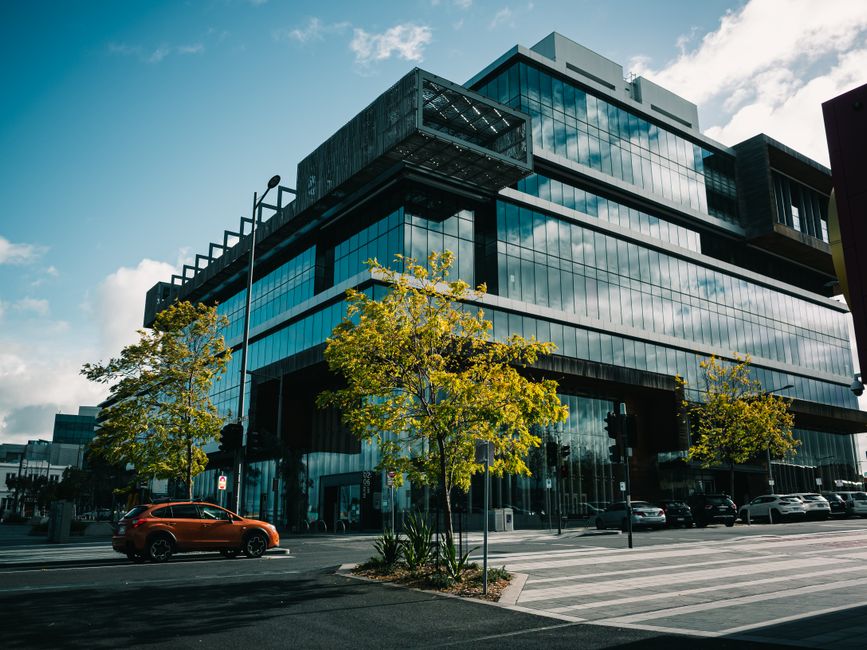
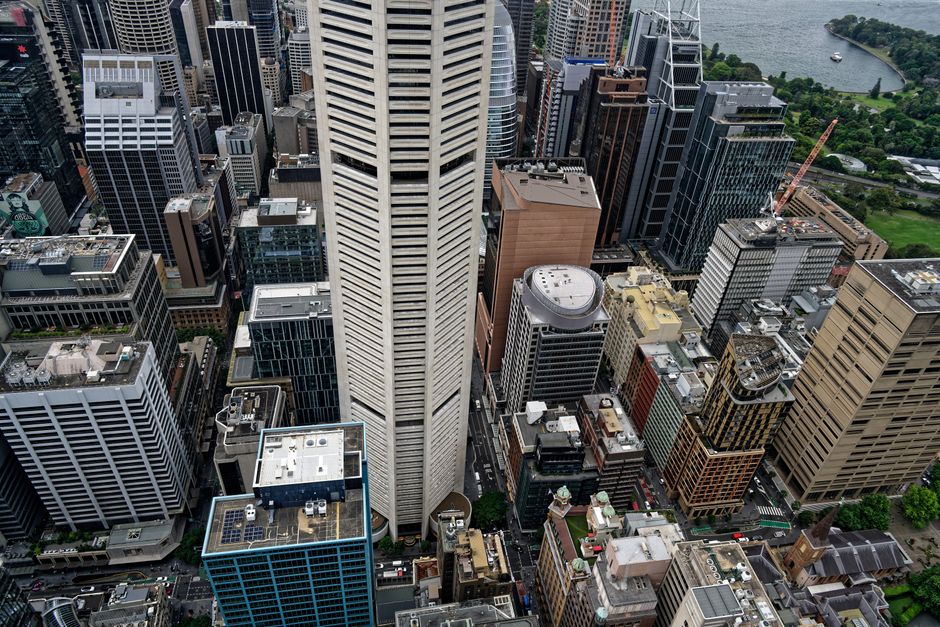
Walk down Pitt Street or through Parramatta's commercial precinct and you'll see cranes, new apartments, and rising rents. But the forces driving these changes aren't just local supply and demand—they're deeply entwined with international investment flows and geopolitical tensions that directly affect your mortgage, rent, and savings.
The past decade saw foreign institutional capital flood into Australian residential property, particularly around the inner west and North Sydney's office conversions. That investment dried up substantially during global uncertainty, but the real story for Sydney residents lies in what comes next. When international investors retreat, local property prices become more volatile, and mortgage rates—currently hovering around 6–7 per cent for variable loans—become harder to predict.
Consider the everyday impact. A family renting in Marrickville paying $600 weekly now faces landlords making decisions based on international capital movements rather than local wage growth. Someone with a $650,000 mortgage in Strathfield is exposed to rate cycles influenced by US Federal Reserve decisions and geopolitical risk premiums that financial markets are pricing into Australian debt.
The cost-of-living crunch isn't just about interest rates. The construction costs driving new apartment prices in Surry Hills and Darling Harbour are partially tethered to global commodity prices and import costs. A slowdown in Chinese demand or supply chain disruptions directly translates to higher rents within months.
Here's what residents should understand: diversified investment portfolios—whether through superannuation or direct property ownership—require awareness of global risk. Property investment trusts listed on the ASX increasingly depend on international capital flows. Your monthly energy bills in Cronulla are influenced by global LNG export prices.
Financial advisors across the CBD recommend Sydneysiders maintain emergency funds covering six months of expenses rather than three, given increased economic volatility. If you're considering a property purchase near Strathfield or Penrith, interest rate stress-testing at 8 per cent is now standard—but many lenders are tightening serviceability assessments anyway.
The broader lesson: Sydney's property market and cost of living are no longer insulated from global investment cycles. Understanding that geopolitical tensions affect interest rates, that foreign capital flows shape development, and that your mortgage is priced against international benchmarks isn't academic—it's essential to making informed financial decisions in 2026.
This article was compiled by AI from the sources linked above and screened before publishing. See our editorial standards.