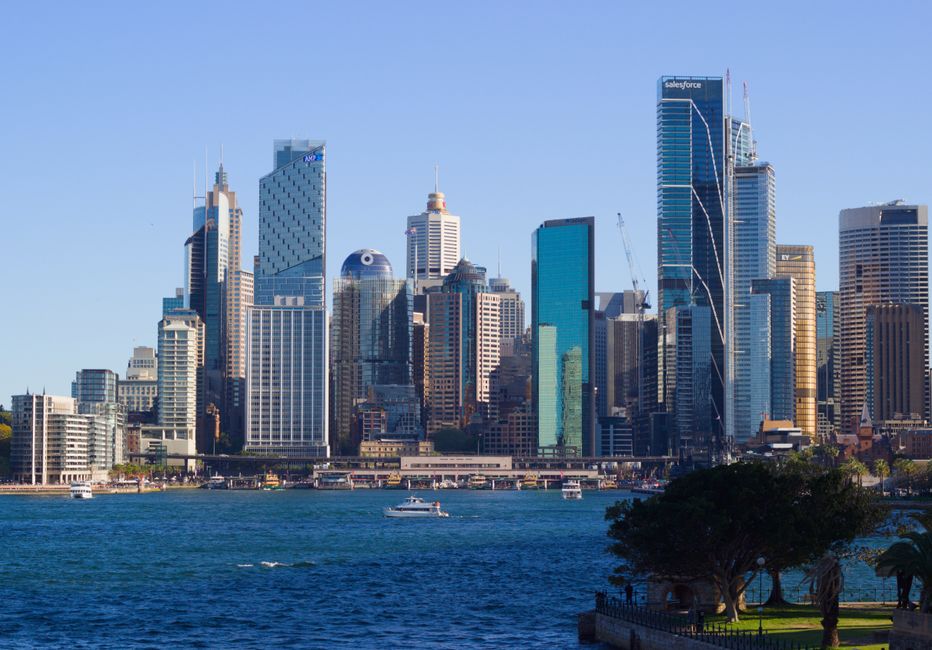
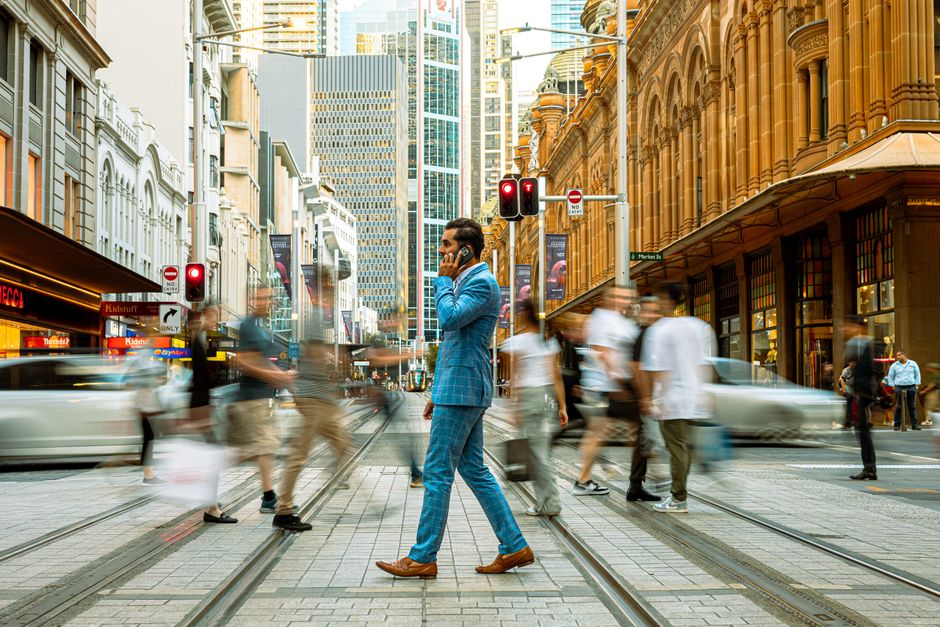
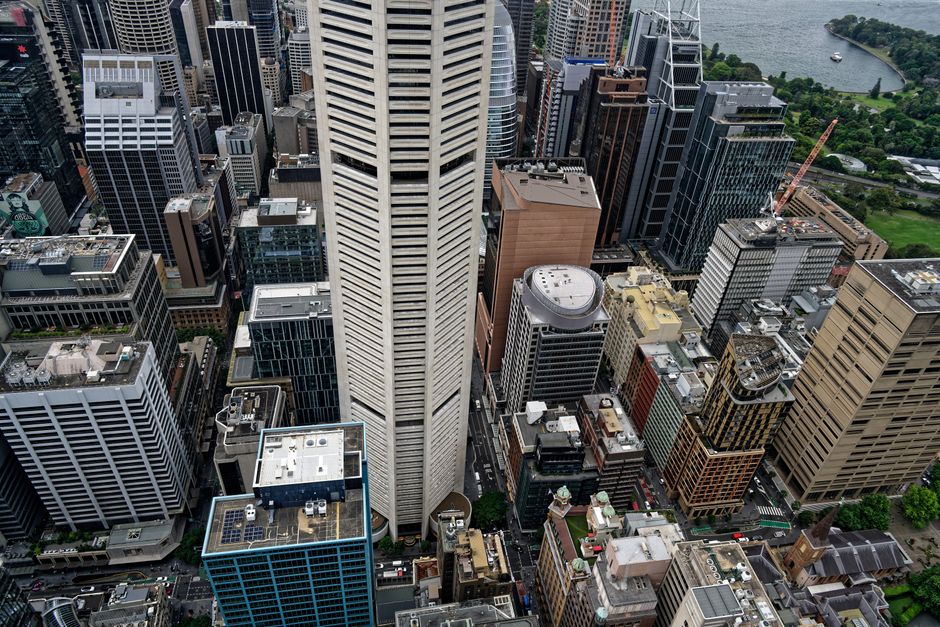
Sydney's commercial property market is at a crossroads, and the economic signals are anything but uniform. Recent data reveals a city where traditional office strongholds like the CBD are experiencing pressure, while emerging precincts are attracting investor attention and fresh capital. For those navigating this landscape, decoding the underlying indicators is essential.
The headline figure tells part of the story: Sydney's CBD office vacancy rates have edged toward 12 per cent, higher than pre-pandemic levels. Major transactions on Pitt Street and Martin Place reflect this reality, with landlords increasingly offering incentives to secure tenants. Yet this aggregate number masks significant variation. Precincts like Barangaroo and the emerging tech-focused areas around Surry Hills and Alexandria are witnessing tighter supply and stronger leasing momentum, with rents climbing steadily.
What's driving these divergent flows? Several indicators point to structural shifts in how capital is deployed. First, interest rates remain elevated compared to the ultra-low environment of 2020–22, fundamentally reshaping yield expectations. A typical institutional investor seeking 4.5 to 5 per cent returns now has options that didn't exist two years ago. Second, hybrid work adoption has fundamentally altered demand patterns. Companies are consolidating footprints or relocating to precincts offering lifestyle amenities—factors that consistently appear in investment decision-making frameworks.
Foreign capital inflows tell another story entirely. Data from the Foreign Investment Review Board indicates that Asian investors, particularly from Singapore and Hong Kong, remain active in Sydney's premium office segment. Recent deals on Macquarie Street and near Circular Quay command valuations that reflect confidence in long-term tenant demand from financial services and professional firms. Meanwhile, domestic institutional investors—superannuation funds and REITs—are selectively deploying capital, often targeting refurbishment opportunities rather than speculative acquisitions.
The construction pipeline is also instructive. New office completions remain modest across 2026, which should theoretically support rental growth. However, the quality divide is pronounced: Grade-A buildings with sustainability credentials command premiums, while aging stock in less-connected areas faces pressure.
For investors, the takeaway is clear: blanket statements about Sydney's office market obscure more than they reveal. Successful capital deployment now requires granular analysis—understanding which precincts benefit from demographic trends, which sectors drive demand, and how interest rate trajectories reshape yield equations. The market isn't broken; it's simply become more discriminating, rewarding those who read the data carefully.
This article was compiled by AI from the sources linked above and screened before publishing. See our editorial standards.