Sydney's Retail Revival: Who's Cashing In as Foot Traffic Returns to the City
With consumer confidence rebounding and international visitors flooding back, hospitality operators across the CBD and inner west are seizing a rare window of growth.
With consumer confidence rebounding and international visitors flooding back, hospitality operators across the CBD and inner west are seizing a rare window of growth.
Sydney's retail and hospitality sector is experiencing a tangible shift as consumer spending accelerates and tourism numbers climb back toward pre-pandemic levels. For businesses positioned to capitalise on the moment, the opportunity is unmistakable—and early movers are already reaping the rewards.
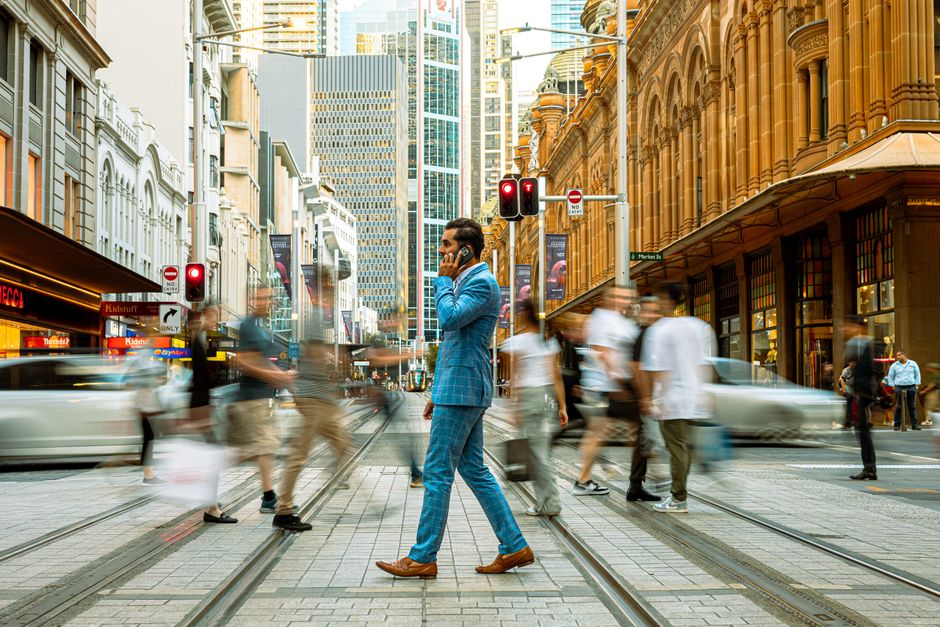
The revival is most visible in Pitt Street Mall and surrounding precincts, where flagship retailers have expanded offerings and dining venues are reporting stronger weeknight traffic. New South Wales Tourism data shows international visitor numbers reached 3.2 million in the first half of 2026, a 15 per cent increase year-on-year. That surge has translated directly into packed restaurants and higher transaction values across the CBD and surrounding areas.
The real momentum, however, is emerging in less obvious pockets. Inner-west suburbs like Marrickville and Newtown are experiencing a retail renaissance as younger consumers migrate further from the city centre seeking more affordable rents and authentic dining experiences. Several new food halls and multi-vendor spaces have opened along King Street and Enmore Road, attracting both established restaurateurs and first-time hospitality entrepreneurs betting on the suburban food scene.
Westfield Sydney and other major shopping centres have also capitalised on the trend by refreshing tenant mixes, bringing in smaller independent retailers and quick-service concepts that appeal to both locals and tourists. Mall foot traffic across Greater Sydney increased 8 per cent in the first quarter of 2026 compared with the same period last year, according to industry analysts.
Wine and cocktail bars are particularly benefiting. Premium venues in Barangaroo and the Rocks are reporting covers at or above 2019 levels, with average spend per customer climbing as visitors trade up for quality experiences. Casual dining chains with strong digital ordering capabilities—particularly those leveraging third-party delivery platforms—have also captured share as busy professionals opt for convenience.
For hospitality operators, labour costs remain elevated, and supply chain pressures persist, particularly for imported specialty ingredients. Yet margin compression hasn't dampened expansion plans. Several established local operators are opening second and third locations, banking on sustained consumer momentum through the remainder of the year.
The window appears genuine but not guaranteed to last. Rising interest rates and softening wage growth could crimp consumer spending by late 2026. For now, though, Sydney's retail and hospitality sector is in growth mode—and those with the capital, concept clarity, and location strategy are moving quickly to capture share while the tailwinds hold.
This article was compiled by AI from the sources linked above and screened before publishing. See our editorial standards.
How does this story make you feel?
Spread the word
About this article
Published by The Daily Sydney
Daily brief
Free, in your inbox before 7am. Weekdays.
More in Business