Paris Finance Sector Faces Perfect Storm: Rising Rates, Political Uncertainty, and Talent Flight
As investment firms desert La Défense and cost-of-living pressures mount, Paris's financial hub confronts its toughest year since the pandemic.
As investment firms desert La Défense and cost-of-living pressures mount, Paris's financial hub confronts its toughest year since the pandemic.
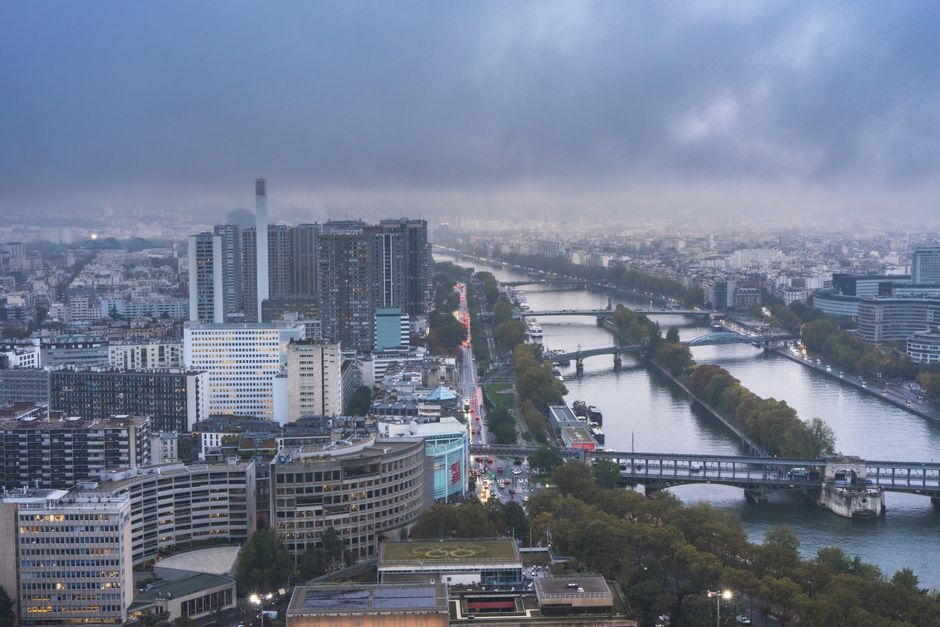
The gleaming towers of La Défense have always symbolised Paris's ambitions as a global financial centre. Yet walking through the business district this week, the narrative feels decidedly different. Empty office suites, delayed project launches, and a palpable sense of retrenchment mark what insiders are calling the sector's most challenging year since 2020.
The headwinds are multifaceted. Interest rates, which the European Central Bank held elevated through Q2 2026, have compressed investment returns and cooled appetite for riskier assets. For portfolio managers based around Rue de Rivoli and in the Marais's growing fintech cluster, this means tighter margins and fiercer competition for clients with cash to deploy. Meanwhile, geopolitical volatility—from Middle Eastern tensions threatening global stability to unpredictable political shifts—has sent risk-averse capital into defensive positions, starving growth-focused investment vehicles of the liquidity they need.
The human cost is equally stark. Financial recruitment firms report that junior traders and analysts have begun departing Paris for London and Dubai, where salaries have climbed 15-20% faster. A junior analyst position in the 8th arrondissement now struggles to compete on compensation, particularly when London's sign-on bonuses remain robust. Simultaneously, the cost of living in Paris itself has become a double squeeze: rental inflation in central neighbourhoods like the Île-Saint-Louis has pushed two-bedroom flats to €3,500-€4,200 monthly, while restaurant and transport costs have risen steadily, eroding purchasing power even for well-compensated professionals.
Institutional investors are also scrutinising Paris-based fund managers more severely. Asset flows into French investment firms have flatlined compared to German and Swiss competitors, forcing some boutique operations to consolidate or relocate back-office functions outside the capital.
What keeps observers from full pessimism is Paris's structural resilience. The BNP Paribas headquarters on Boulevard d'Iéna remains one of Europe's most valuable financial institutions, and the city's EU regulatory prestige—particularly post-Brexit—hasn't evaporated. Venture capital activity around Station F continues, albeit at a measured pace.
Yet the question now haunting the sector is whether this downturn is cyclical or signals a deeper erosion of Paris's competitive position. Without decisive action on taxation, retention of talent, and investment in fintech infrastructure, the financial professionals departing La Défense may not return when conditions improve. For a city staking much of its economic future on finance, that prospect represents the year's most genuine headwind of all.
This article was compiled by AI from the sources linked above and screened before publishing. See our editorial standards.
How does this story make you feel?
Spread the word
About this article
Published by The Daily Paris
Daily brief
Free, in your inbox before 7am. Weekdays.
More in Business


