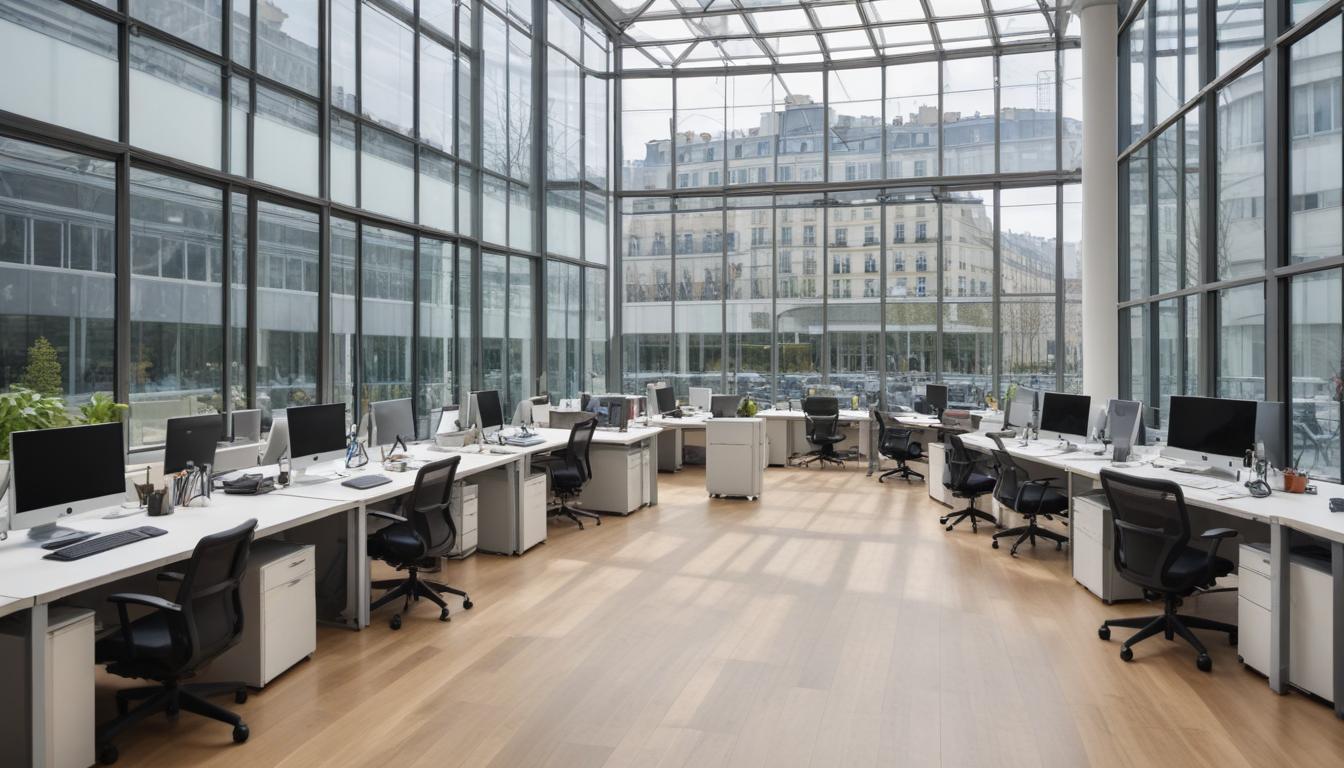
In a converted 19th-century warehouse tucked behind the République métro station, Sophie Arnaud oversees what has become one of Europe's most ambitious attempts to democratise international trade. Her company, TradeFlow, now manages shipments across 47 countries, with particular strength in African and Southeast Asian markets—regions where French commercial ties run deep but logistics remain fragmented.
The numbers tell a compelling story. Founded in 2021, TradeFlow processed €340 million in cross-border transactions last year, up 156% from 2024. Its 120-person team—housed across two floors of the Saint-Ambroise neighbourhood complex—now includes freight specialists, customs brokers, and data scientists working in concert. "We saw a gap," Arnaud explained during a recent presentation at Paris Expo Porte de Versailles, where the company exhibited alongside major logistics firms. "Mid-sized manufacturers and traders were caught between expensive legacy systems and inadequate digital tools."
The Paris location was deliberate. Beyond its talent pool—the city hosts Europe's largest concentration of customs and trade compliance experts—Arnaud recognised that France's historical commercial networks in North Africa and sub-Saharan Africa represented untapped potential. TradeFlow's breakthrough came partly through partnerships with the Chamber of Commerce and Industry Paris Île-de-France, which connects its members to the platform.
Current user statistics paint a picture of grassroots momentum: approximately 2,400 active businesses now use TradeFlow's software, from artisanal cheese exporters in Normandy to textile manufacturers near Lyon. Average transaction costs have dropped by 23% compared to traditional brokers, while customs clearance times have compressed from 5-7 days to under 48 hours for EU-Africa routes.
The expansion is timely. The European Union's recent trade framework adjustments and emerging African Continental Free Trade Area opportunities have created what analysts call a "sweet spot" for digital intermediaries. TradeFlow raised €18 million in Series B funding earlier this year, backing plans to open offices in Dakar and Lagos by year-end.
What sets Arnaud's venture apart in Paris's crowded fintech ecosystem is its focus on unglamorous but essential infrastructure. While AI-driven platforms command venture capital attention, TradeFlow has built something arguably more valuable: a working solution to the regulatory maze that stifles cross-border commerce for smaller players. For a city seeking to prove its relevance beyond banking and luxury, that quiet competence may matter more than any headline.
This article was compiled by AI from the sources linked above and screened before publishing. See our editorial standards.