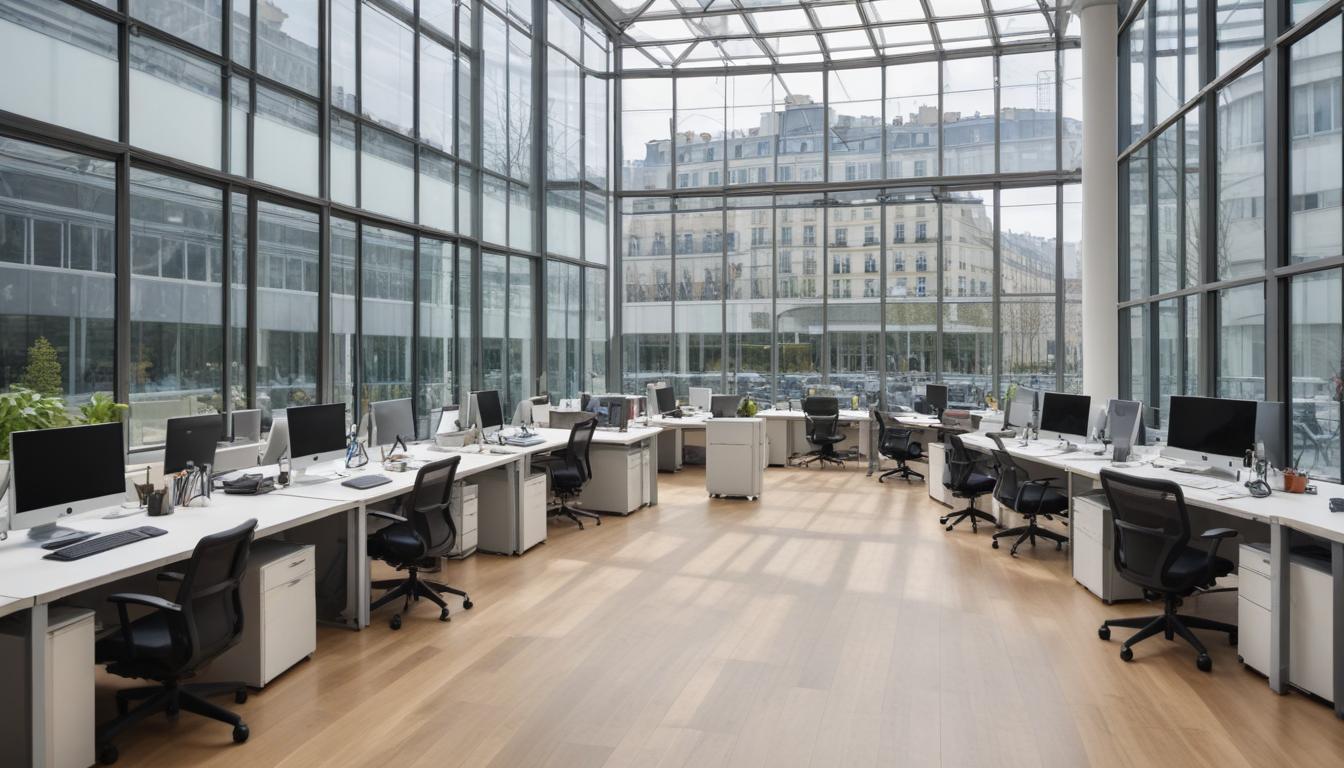
The transformation is visible on the street. Walk down rue de Turenne in the Marais, or along the Canal Saint-Martin in the 10th, and you'll spot the familiar signs: standing desks through ground-floor windows, minimalist cafés packed with laptop workers, and recruitment posters promising equity stakes alongside salaries. Paris's startup ecosystem, once clustered loosely around La Défense, has exploded into a distributed network of innovation districts that is fundamentally reshaping how the city's talent market operates.
The numbers tell a striking story. According to data from Station F, Europe's largest startup campus housed in the 13th arrondissement, the Paris-region startup sector now employs over 150,000 people directly—more than double the figure from 2018. Station F alone houses 1,000 founders and 4,000 employees across 600 companies. Nearby, the emerging biotech corridor along avenue de France has drawn pharmaceutical talent from across Europe, while the growing cluster in the 11th arrondissement—dubbed "Silicon Marais" by some tech journalists—now hosts over 400 early-stage tech firms.
This geographic concentration is upending traditional employment patterns. Senior developers and product managers, historically drawn to multinational tech offices or established corporates, now find themselves courted by startups offering equity, remote flexibility, and product ownership that large firms struggle to match. A mid-level engineer at a Series B startup in the 13th now commands roughly €65,000-€85,000 annually—significantly above the €55,000-€70,000 range common five years ago.
The pressure is trickling up. Traditional employers—LVMH's digital divisions, Orange, Capgemini—report increased poaching by startups and are raising salaries to compete. One Paris business school administrator noted that graduate placements at large corporations dropped from 45 per cent in 2019 to just 28 per cent in 2025, with startups absorbing much of the difference.
Yet challenges remain. The startup districts are absorbing talent primarily in tech roles; many neighbourhoods see climbing rents without broader wage growth for non-tech workers. The 13th arrondissement has seen average rents rise 22 per cent since 2020, outpacing wage growth for service-sector employees.
Investors and city officials argue the ecosystem benefits Paris structurally—creating tax revenue, international visibility, and pathways for homegrown founders. But for a city wrestling with inequality, the startup boom represents a more complicated prize: dazzling innovation concentrated among the educated elite, while reshaping opportunity in ways not everyone can access equally.
This article was compiled by AI from the sources linked above and screened before publishing. See our editorial standards.