Paris Hospitality Sector Charts Course Through Shifting Investment Currents
As capital flows reshape the city's dining and retail landscape, economic indicators reveal winners and losers in a market testing new vulnerabilities.
As capital flows reshape the city's dining and retail landscape, economic indicators reveal winners and losers in a market testing new vulnerabilities.
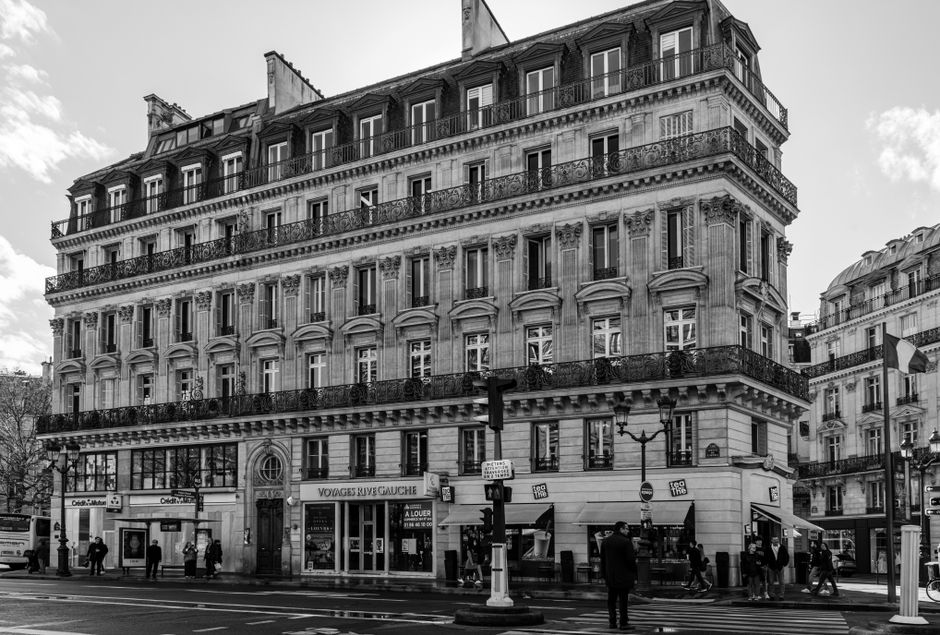
Paris's hospitality and food retail sector is sending mixed signals as mid-2026 investment patterns diverge sharply between established neighbourhoods and emerging zones, reflecting broader economic pressures that executives are carefully monitoring.
Recent data from the Chamber of Commerce and Industry Paris Île-de-France shows restaurant opening rates in the Marais and 11th arrondissement have slowed to their lowest point in three years, with average lease renewal costs climbing 8.2% year-on-year. Meanwhile, venues along the Canal Saint-Martin corridor and in the 10th arrondissement are attracting fresh capital injection, particularly from Nordic and Swiss investment groups seeking exposure to casual dining concepts.
The shift reflects a fundamental reorientation of where money is flowing. Traditional luxury retail on the Champs-Élysées continues to underperform, with several flagships reporting comparable sales declines of 4-6%. Yet discount and mid-market grocery retailers have accelerated expansion plans. Franprix and Carrefour City formats are capturing investment interest precisely because consumer spending patterns show increased price sensitivity—average household food budgets in the Île-de-France region have risen 12% since early 2024, outpacing wage growth.
Labour costs remain the sector's primary headwind. Hospitality wages in Paris now average €2,200 monthly for entry-level kitchen staff, up from €1,950 eighteen months ago. This has prompted several established restaurant groups to review staffing models, with some shifting toward reduced operating hours or menu simplification.
Investment banks tracking the sector note that venture capital focused on food tech—delivery optimisation, inventory management, ghost kitchen networks—continues accelerating, even as traditional brick-and-mortar expansion cools. A Parisian startup incubator in the 13th arrondissement reported 34% more funding applications from food-tech firms in the first half of 2026 compared to the same period last year.
Notably, investment in neighbourhood wine bars and independent bistros has remained relatively resilient, suggesting consumer demand for authentic, locally-rooted concepts persists despite economic headwinds. Real estate brokers report that leases for intimate 40-60 seat venues in Belleville and the Upper Marais signed in recent months commanded premium valuations despite broader market softness.
The data suggests Paris's hospitality sector is bifurcating: established luxury formats face structural challenges, while niche operators and scaled tech-enabled models attract capital. For investors and entrepreneurs, the message is clear—geography, concept clarity, and operational efficiency now determine survival far more than heritage brand status.
This article was compiled by AI from the sources linked above and screened before publishing. See our editorial standards.
How does this story make you feel?
Spread the word
About this article
Published by The Daily Paris
Daily brief
Free, in your inbox before 7am. Weekdays.
More in Business


