Flexible Workspaces Pioneer Charts New Course in Paris Commercial Property Market
As traditional office demand softens, one local entrepreneur is reshaping how companies lease space across the capital's most sought-after districts.
As traditional office demand softens, one local entrepreneur is reshaping how companies lease space across the capital's most sought-after districts.
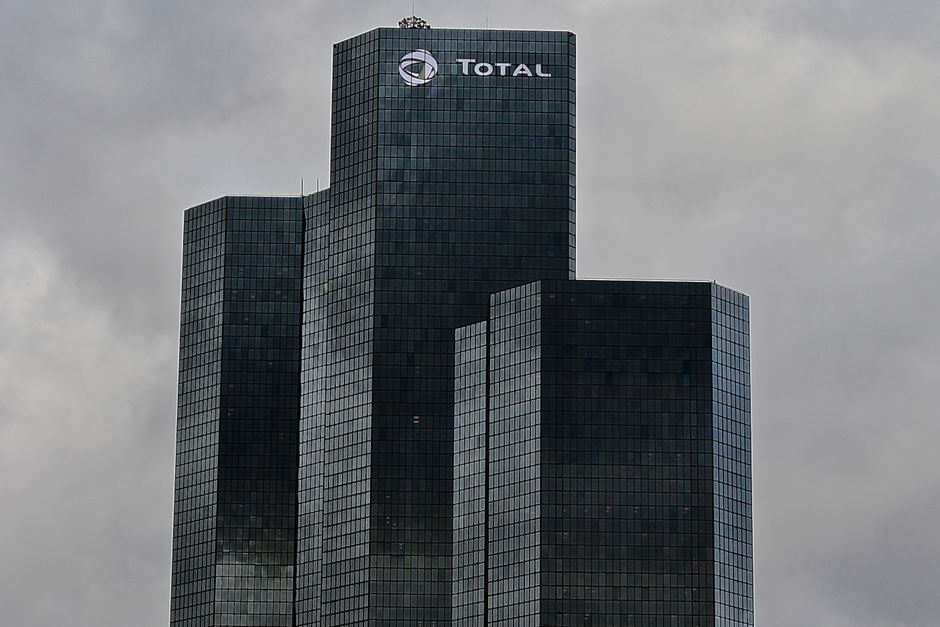
Paris's commercial property landscape is undergoing a quiet revolution, driven in part by a generation of entrepreneurs willing to challenge the rigid lease structures that have long defined the market. Among them is a growing cohort of flexible workspace operators who are capitalizing on the post-pandemic reality: companies no longer want to commit to five-year leases on sprawling office floors.
The shift comes as Paris's office vacancy rate hovers around 8-9%, up from pre-pandemic lows, according to recent market data. Prime real estate in the 8th and 16th arrondissements—traditionally the heartland of corporate Paris—has seen rental rates soften to €600-€750 per square metre annually, a notable decline from 2022 peaks. Yet pockets of innovation are emerging, particularly in the Marais and République quarters, where a new breed of workspace providers is experimenting with monthly memberships, hot-desking arrangements, and hybrid solutions.
One particularly notable player in this transformation operates a network of contemporary work hubs across Paris's central districts. Their model addresses a fundamental tension: multinational firms and expanding startups need flexibility, while property owners seek reliable income streams. By securing longer master leases on strategic properties—typically in converted Haussmanian buildings or modern mixed-use developments—they subdivide space into scalable modules that companies can expand or reduce as needed.
The economics are compelling. Traditional office leases in central Paris typically command minimum three-year terms with significant upfront commitments. By contrast, these flexible operators have demonstrated that month-to-month arrangements, combined with premium service offerings—high-speed connectivity, conference facilities, community programming—can command premium rates while offering landlords predictable revenue through master lease guarantees.
Market analysts note this trend reflects broader shifts in how Paris competes globally for corporate headquarters and talent. The city's expensive and inflexible office market has historically disadvantaged it against London and Berlin, where flexible workspace penetration is significantly higher. Younger companies, particularly in tech and professional services, increasingly view flexibility as non-negotiable.
The impact on traditional property owners has been mixed. While some see flexible workspace operators as interim solutions during uncertain periods, others recognize the structural shift in tenant preferences. Several landmark properties in the 2nd arrondissement have recently been repositioned to accommodate mixed-lease models, suggesting institutional investors are hedging their bets on the traditional corporate tenancy model's long-term viability.
As Paris's office market continues recalibrating, these innovative operators occupy an increasingly central position—neither pure real estate players nor mere service providers, but essential intermediaries reshaping how the capital's commercial property ecosystem functions.
This article was compiled by AI from the sources linked above and screened before publishing. See our editorial standards.
How does this story make you feel?
Spread the word
About this article
Published by The Daily Paris
Daily brief
Free, in your inbox before 7am. Weekdays.
More in Business


