Paris Office Market Faces Perfect Storm of Headwinds in 2026
Rising vacancy rates, remote work persistence, and mounting financing costs are squeezing landlords and developers across the capital's prime business districts.
Rising vacancy rates, remote work persistence, and mounting financing costs are squeezing landlords and developers across the capital's prime business districts.
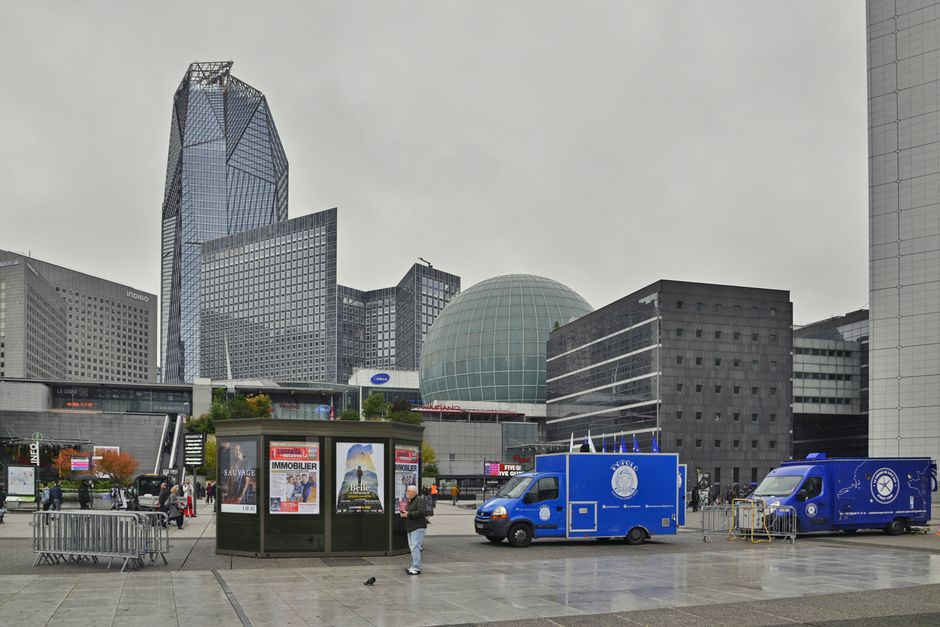
The gleaming towers of La Défense tell a story Paris's commercial property sector would rather forget. With office vacancy rates now hovering near 12 per cent—up from 8.5 per cent just two years ago—the French capital's once-resilient real estate market is confronting a confluence of structural challenges that show no sign of abating as 2026 enters its second half.
The shift began quietly but has accelerated sharply. Companies occupying prestigious addresses along the Champs-Élysées, around the Place Vendôme, and throughout the 8th arrondissement have systematically reduced their footprints or relocated entirely. A major luxury goods group recently surrendered nearly 40 per cent of its office space on Rue Saint-Honoré, a decision that rippled through the broader market as a harbinger of changing corporate priorities.
"Remote work was supposed to be temporary," observes the commercial real estate landscape. Instead, hybrid arrangements have become entrenched, with major financial services firms and technology companies maintaining lean on-site operations. This structural shift has proven more durable than landlords anticipated, leaving swathes of modern office stock struggling to attract tenants willing to pay pre-pandemic rates.
Pricing pressure is relentless. Prime office space in La Défense, once commanding €800 per square metre annually, has softened to the €650-720 range for new leases. In the historic Marais district, where startups and creative agencies once competed fiercely for converted industrial lofts, asking prices have similarly contracted. Landlords face a grim choice: reduce rents or accept prolonged vacancies.
Financing constraints compound the misery. Rising interest rates have made development projects economically marginal, while existing loan portfolios have become expensive to refinance. Several mid-sized developers have shelved planned office conversions in the 11th and 12th arrondissements, citing untenable debt servicing costs that render projects unviable even with optimistic occupancy assumptions.
Regulatory pressures add another layer of complexity. Paris's increasingly stringent environmental standards require older office buildings to undergo costly retrofitting to meet energy efficiency targets. Properties constructed in the 1970s and 1980s face existential questions: invest heavily in compliance, or accept obsolescence?
Some sectors show resilience. Life sciences and biotech firms seeking laboratory and office hybrids have stabilised demand in specific pockets near the city's research institutions. Yet this remains a bright spot in an otherwise challenging landscape. For most property owners and developers, 2026 has become a year of retrenchment, patience, and uncomfortable reckoning with a permanently altered commercial real estate paradigm.
This article was compiled by AI from the sources linked above and screened before publishing. See our editorial standards.
How does this story make you feel?
Spread the word
About this article
Published by The Daily Paris
Daily brief
Free, in your inbox before 7am. Weekdays.
More in Business


