Paris Startup Capital Signals Strong Recovery: What the Numbers Tell Us About Investment Flows
Rising venture funding, shrinking office vacancies, and soaring talent migration paint a picture of renewed confidence in the city's innovation district.
Rising venture funding, shrinking office vacancies, and soaring talent migration paint a picture of renewed confidence in the city's innovation district.
Paris's startup ecosystem is sending unmistakable signals of resilience. New data from the Chamber of Commerce and Industry Île-de-France reveals that venture capital deployed across the greater Paris region reached €2.3 billion in the first half of 2026—a 34 percent increase compared to the same period last year, and a stark reversal from the funding drought that characterized 2024.
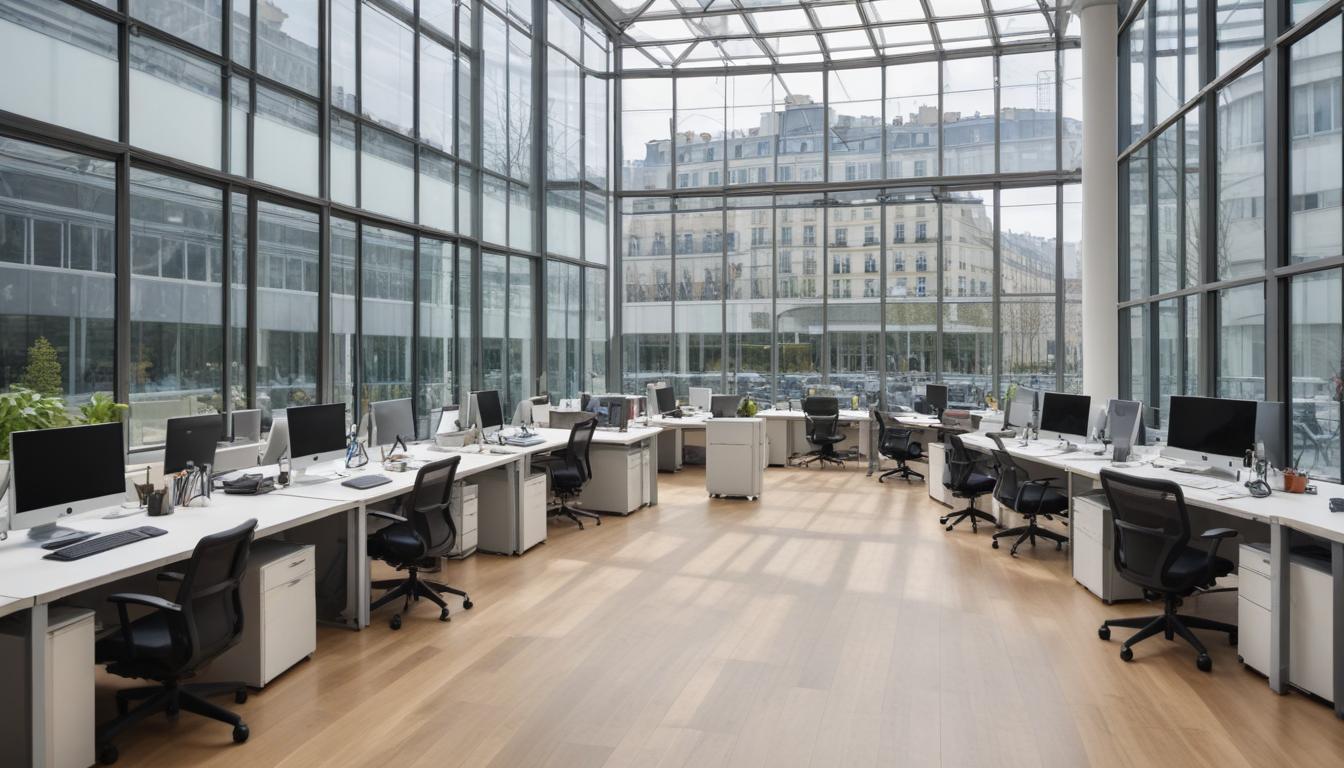
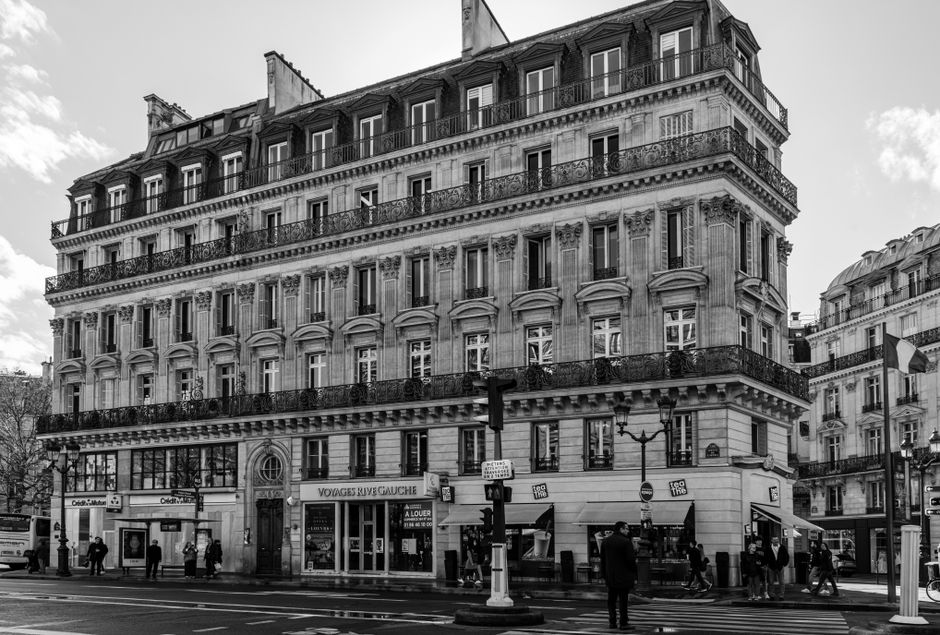
The recovery is geographically concentrated. The 11th and 12th arrondissements, long the heartland of Paris's tech corridor, account for nearly 42 percent of all early-stage investment. Office vacancy rates in Bastille and République have compressed to 8.2 percent—the lowest in a decade—as companies scramble to secure space near talent pools and accelerators. Rents in these zones have climbed to €650 per square metre annually, up from €520 eighteen months ago, according to commercial property analyst Cushman & Wakefield.
What's driving this shift? Three factors stand out. First, European regulatory stability has attracted founders who previously hedged their bets across multiple jurisdictions. The EU's Digital Markets Act, now fully operational, has reduced uncertainty for deep-tech firms building compliance-heavy solutions. Second, larger corporations—particularly in luxury goods, automotive, and pharmaceuticals—are actively deploying corporate venture arms in Paris rather than acquisitions elsewhere. LVMH, Stellantis, and Sanofi have collectively announced nine new innovation partnerships since January.
Third, talent flows are reversing. For the first time since 2019, Paris is a net importer of skilled technologists from Berlin, London, and even San Francisco. Graduate hiring at Station F, the world's largest startup campus, exceeded targets by 23 percent. That venue alone now houses 1,200 employees across 120 resident companies—a density that generates spillover benefits for nearby neighbourhoods like Masséna and Austerlitz.
But caution is warranted. Series B and C funding remains fragile. While seed rounds are abundant, only €420 million flowed to growth-stage companies in H1 2026, below pre-pandemic averages. The talent shortage in machine learning and semiconductor engineering persists, with experienced hires commanding premium salaries 40 percent above 2021 levels.
The City of Paris's €50 million innovation fund, launched through the Mairie with backing from Banque de France, should ease these constraints by autumn. For now, the clearest indicator of health remains: real estate pressure. When landlords charge premium rates and vacancy shrinks, money—and confidence—have genuinely returned.
This article was compiled by AI from the sources linked above and screened before publishing. See our editorial standards.
How does this story make you feel?
Spread the word
About this article
Published by The Daily Paris
Daily brief
Free, in your inbox before 7am. Weekdays.
More in Business