Why Paris's booming startup scene matters to your morning commute and weekly shop
From the 11th arrondissement to La Défense, innovation districts are reshaping how residents access services, pay for goods, and navigate the city.
From the 11th arrondissement to La Défense, innovation districts are reshaping how residents access services, pay for goods, and navigate the city.
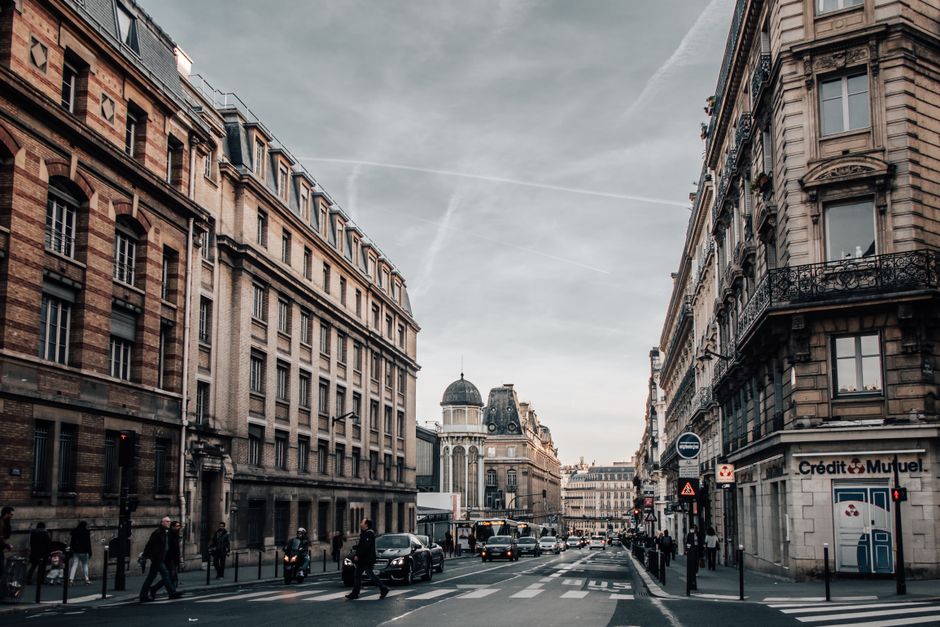
Paris has quietly become Europe's second-largest startup hub after London, with over 1,200 active tech companies now operating across the city. But this isn't just Silicon Valley theatre—it's reshaping everyday life for the 2.2 million people who live here.
The most visible shift is happening in the Marais and surrounding République district, where venture-backed mobility startups have fundamentally changed how Parisians move. Dott, Lime, and a dozen competing electric scooter companies now claim more than 40,000 devices across central Paris. That convenience comes with friction: sidewalk clutter, accident liability debates, and a municipal fee of €5 per scooter annually that gets passed to users through slightly higher rental costs—typically €0.20 per minute.
Food delivery has similarly transformed residential neighbourhoods. Platforms headquartered in Paris—notably Deliveroo, which maintains major operations near Porte de Montreuil—have created a parallel economy. Restaurant participation has jumped from 15% of establishments in 2018 to over 60% today, though economists note this has contributed to a 3-4% rise in meal costs for those using apps versus direct ordering.
The 12th arrondissement's Station F, Europe's largest startup campus, now hosts over 1,000 resident companies and attracts roughly 30,000 visitors monthly. For residents in the 13th and nearby quartiers, this means increased traffic, higher rents—up 8% since 2022—but also job accessibility. The campus generated an estimated 2,800 direct jobs last year.
Perhaps most significantly for daily life: fintech companies clustered around La Défense have pressured traditional banks to improve digital services. Open banking APIs, lower overdraft fees (competition has reduced average charges by €15 annually), and faster payment processing now feel ordinary—but they're direct results of startups forcing incumbents to innovate.
Not all impacts are positive. The startup tax-incentive system allows newly registered companies a three-year corporate tax deferral, a scheme costing the city roughly €45 million annually in foregone revenue—money that might otherwise fund public services.
For the average Parisian, understanding this ecosystem matters. The apps you use, the rental costs you pay, the restaurant options available, even your bank's fee structure—all reflect this entrepreneurial transformation. Whether you view that as progress or displacement often depends on your neighbourhood and whether you've benefited from the jobs created or felt priced out by rising commercial rents.
This article was compiled by AI from the sources linked above and screened before publishing. See our editorial standards.
How does this story make you feel?
Spread the word
About this article
Published by The Daily Paris
Daily brief
Free, in your inbox before 7am. Weekdays.
More in Business
