As Global Tensions Rise, Paris Businesses Brace for Supply Chain Shocks
Escalating conflicts in the Middle East and South Asia are forcing Parisian exporters and retailers to reroute shipments and rethink their sourcing strategies.
Escalating conflicts in the Middle East and South Asia are forcing Parisian exporters and retailers to reroute shipments and rethink their sourcing strategies.
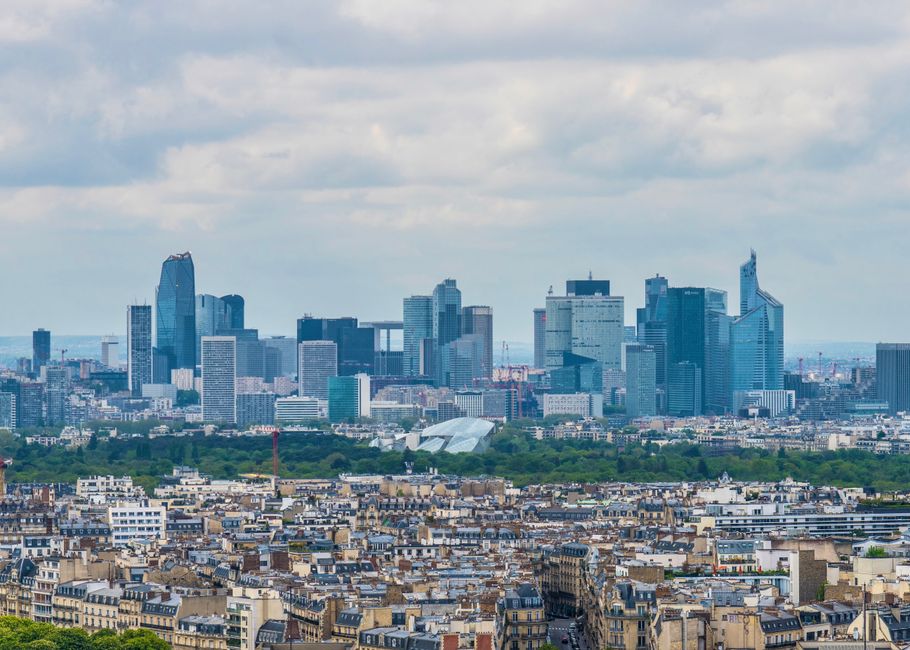
The boutiques along Rue Saint-Honoré and the warehouses of the Plaine Saint-Denis industrial zone are feeling the reverberations of distant geopolitical crises. As Pakistan intensifies military operations across its border and Iran signals reluctance in peace negotiations with the United States, Parisian business owners are scrambling to adjust supply chains that have become increasingly fragile since 2024.
"We're seeing real pressure on our logistics costs," says a spokesperson for the Chambre de Commerce et d'Industrie Île-de-France, which represents over 700,000 businesses across the region. Premium textile manufacturers in the Marais—where dozens of small fashion houses operate—are now looking beyond traditional Southeast Asian suppliers, with some redirecting orders to Turkey and North Africa to avoid potential Strait of Hormuz disruptions.
The stakes are particularly high for luxury goods traders. Approximately 15% of Paris-based export revenue flows through Middle Eastern hubs, according to recent regional trade data. Fashion houses shipping through Dubai and air-freight operators using Qatar as a transit point are already factoring in 8-12% cost increases for June-August shipments, according to logistics firms operating near Orly Airport.
Venezuelan economic instability is also creating unexpected ripples. Wine exporters in Bordeaux—a 90-minute train ride south—report that collapsed Venezuelan import capacity has forced them to pivot toward Caribbean markets, with Paris-based trading companies like those in the business district near La Défense now brokering new deals at higher administrative costs.
Smaller retailers feel the squeeze most acutely. A manager at a home goods distributor on Boulevard Voltaire noted that freight insurance premiums have risen 20% in recent weeks, forcing them to reduce inventory depth and pass costs to consumers. A mid-range coffee table that cost €340 six months ago now retails for €375.
The Paris Chamber of Commerce has established a rapid-response task force to help businesses navigate alternative routes and suppliers, with monthly briefings held at their headquarters in the 2nd arrondissement. They're urging companies to diversify geographic exposure and build buffer inventory where possible—advice easier given than implemented for firms operating on tight margins.
For now, Paris remains well-positioned compared to port cities like Rotterdam, but the cumulative effect of Venezuelan shortages, Middle Eastern uncertainty, and South Asian instability suggests that the City of Light's business resilience will be tested in ways last seen during the pandemic supply-chain collapse.
This article was compiled by AI from the sources linked above and screened before publishing. See our editorial standards.
How does this story make you feel?
Spread the word
About this article
Published by The Daily Paris
Daily brief
Free, in your inbox before 7am. Weekdays.
More in Business


