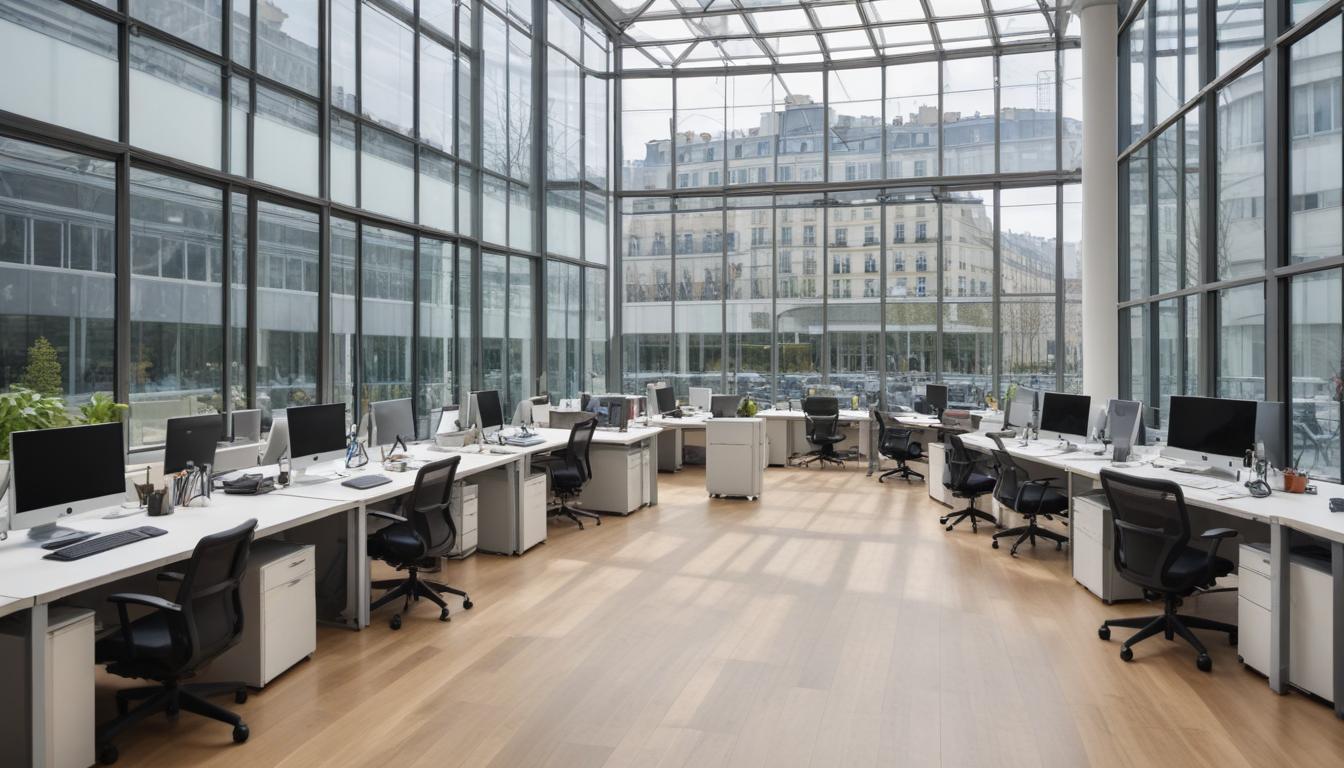
Global Shocks Reshape Paris Office Market as Corporations Rethink Urban Anchors
Political turbulence in the Middle East, Venezuela's crisis, and Trump's policy shifts are forcing multinational firms to reconsider their Paris real estate footprint.
Political turbulence in the Middle East, Venezuela's crisis, and Trump's policy shifts are forcing multinational firms to reconsider their Paris real estate footprint.
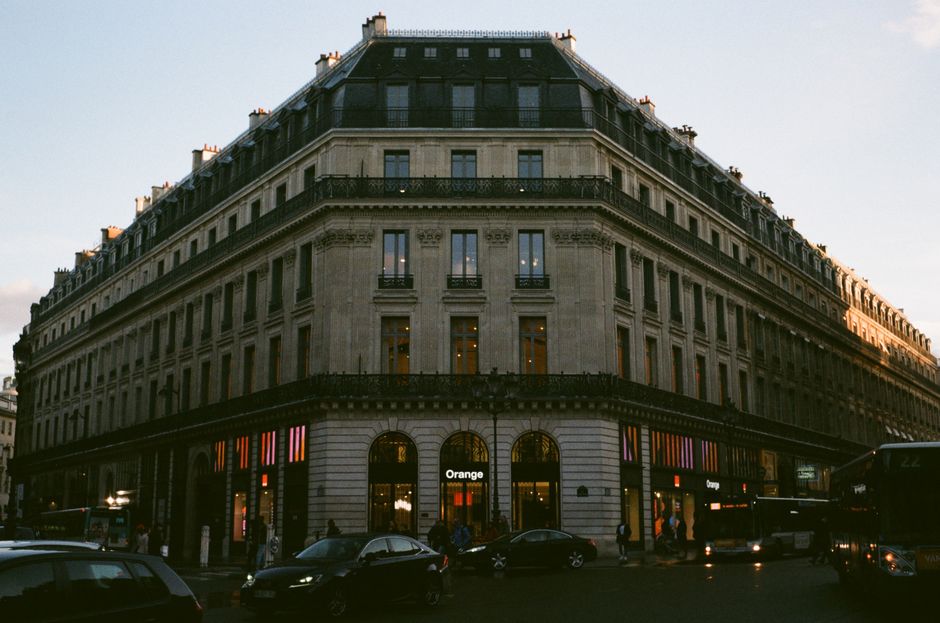
The tremors rippling through international markets are finally hitting Paris's commercial property landscape with tangible force. As geopolitical tensions escalate—from stalled U.S.-Iran negotiations to regional instability across multiple continents—multinational corporations are fundamentally reassessing where they plant their European headquarters, and the City of Light finds itself at a critical inflection point.
The past eighteen months have seen notable shifts in the La Défense business district, traditionally Europe's largest purpose-built office hub. Major energy firms and financial institutions with exposure to Middle Eastern operations have begun consolidating their Paris offices, reducing footprint by an estimated 12-15 percent according to preliminary data from commercial agents. One boutique consulting firm with clients across the petrochemical sector recently downscaled its Boulevard Malesherbes operation by 40 percent, citing "strategic uncertainty around client investment cycles."
Meanwhile, the 8th arrondissement—long favoured by luxury brands and financial services—is experiencing paradoxical pressure. High-net-worth individuals relocating wealth from Latin America have stabilised premium office rents around €650-750 per square metre annually, yet overall occupancy rates have plateaued at 87 percent, down from 91 percent two years ago. Agents report companies are holding lease renewals longer, uncertain about headcount planning across volatile markets.
The technology sector tells a different story. U.S. tech firms with Iran-adjacent sanctions exposure are consolidating European operations into Paris rather than dispersing across multiple hubs—a rare bright spot. Google, Microsoft, and smaller AI startups have collectively absorbed roughly 45,000 square metres of new space in the Marais and République neighbourhoods since early 2025.
"Paris benefits when global uncertainty makes centralised, regulated markets attractive," explains one prominent property consultant. Yet the market remains hostage to headline risk. This month's Pakistan-Afghanistan tensions and renewed concerns over Ebola containment in Central Africa have prompted several African resource companies to defer expansion plans that might have materialised in calmer conditions.
Rents across central Paris remain elevated by historical standards—€35-45 per square metre monthly for premium space near Champs-Élysées—but velocity has slowed noticeably. Landlords increasingly offer flexibility clauses and staggered payments to secure tenants spooked by global volatility. The calculus is straightforward: in an era of cascading international crises, corporate real estate has become a barometer of confidence, and Paris's ability to retain multinational anchors depends less on architecture than on stability.
This article was compiled by AI from the sources linked above and screened before publishing. See our editorial standards.
How does this story make you feel?
Spread the word
About this article
Published by The Daily Paris
Daily brief
Free, in your inbox before 7am. Weekdays.
More in Business