The mathematics of working in Paris have become brutally simple: a junior finance professional earning €28,000 annually spends roughly 45 percent of gross income on a studio apartment in the 11th arrondissement, leaving little for transport, food, or savings. This squeeze is no longer a personal hardship—it is reshaping the capital's entire employment ecosystem.
Rental prices in central Paris have surged to €750–€900 per month for a modest one-bedroom flat, with trendy neighbourhoods like the Marais commanding premiums that would have seemed impossible five years ago. Meanwhile, salaries in tech, finance, and professional services have climbed far more slowly, creating what recruitment specialists now call a "talent availability crisis."
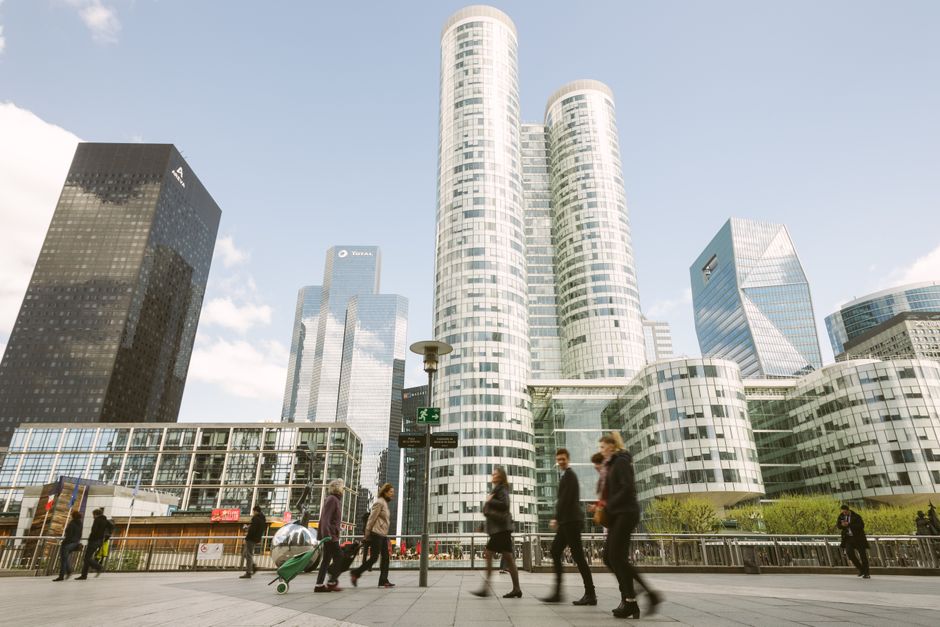
The ripple effects are visible across the business landscape. Established firms along the Champs-Élysées and near La Défense report increased difficulty filling entry-level and mid-career roles. Younger workers are increasingly choosing to live in outer suburbs or satellite cities like Versailles or Fontainebleau, extending commute times and reducing their appeal to employers seeking immediate availability. Some professionals are bypassing Paris entirely, opting for secondary cities like Lyon or Toulouse where salaries have become more proportional to living costs.
Startups clustered around Station F and in the 13th arrondissement face particular pressure. These companies, often competing with London and Berlin for engineering talent, find themselves at a disadvantage when they cannot offer housing support that rivals international competitors. Several have responded by introducing relocation subsidies or flexible remote arrangements—tactics previously uncommon in Paris's corporate culture.
Some larger employers are experimenting with decentralised teams. Banking and insurance groups are quietly expanding satellite offices in suburban business parks, where office rents are a fraction of central Paris rates. This shift threatens to fragment the networking advantages that have historically kept Paris's business elite concentrated and connected.
The crisis also reflects broader economic anxiety. Rising food costs, transport fares, and childcare expenses mean that even nominally comfortable salaries no longer guarantee financial security. Workers are reassessing what remaining in Paris actually costs, psychologically and financially.
For city planners and business leaders, the message is clear: without meaningful intervention on housing supply or a fundamental shift in wage structures, Paris risks losing the human capital that sustains its status as a global business centre. The question is no longer whether the market will correct—it is whether Paris's institutions will act before correction becomes exodus.
This article was compiled by AI from the sources linked above and screened before publishing. See our editorial standards.