Why Paris Traders Are Watching Currency Swings and Trade Deficits Like Never Before
As global investment flows shift dramatically, understanding economic indicators has become essential for businesses across the Marais and La Défense.
As global investment flows shift dramatically, understanding economic indicators has become essential for businesses across the Marais and La Défense.
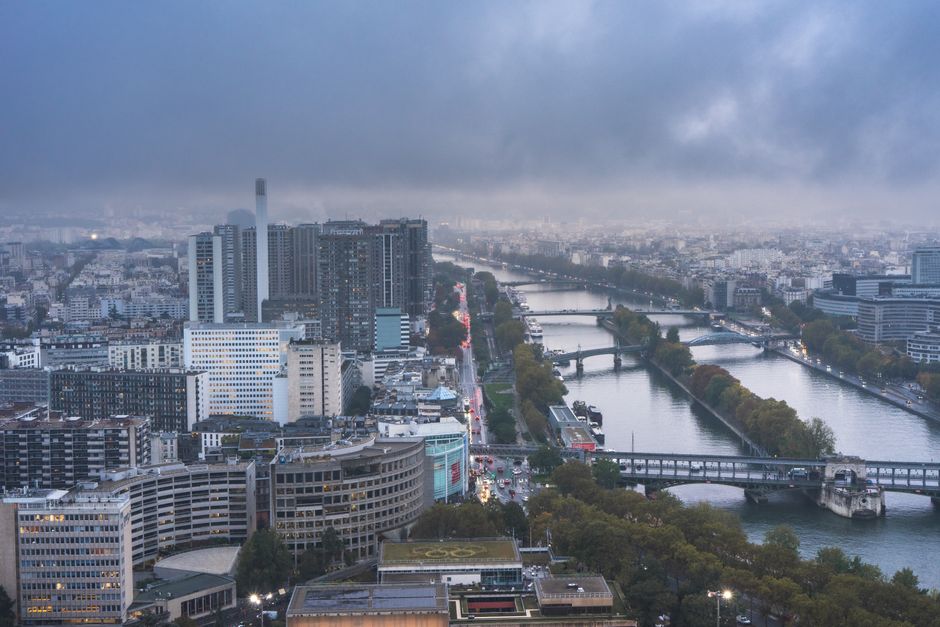
Walk through the gilded corridors of the Palais Brongniart, once home to the Paris Stock Exchange, and you'll find traders hunched over terminals tracking metrics that once seemed arcane but now dominate dinner conversation across the city's business districts. The reason is simple: in mid-2026, economic indicators have become the primary language of global commerce, and Paris sits at a critical juncture.
The euro's recent volatility—fluctuating between 1.08 and 1.12 against the dollar over the past eighteen months—has created both opportunities and headaches for French exporters. Companies headquartered in the 8th arrondissement's business quarter have watched their profit margins compress or expand based on currency movements alone. A manufacturer shipping goods to New York faces fundamentally different economics depending on whether the euro strengthens or weakens; a 4 per cent swing can mean the difference between profit and loss on mid-sized contracts.
Investment flows tell an equally complex story. Data from the Chambre de Commerce et d'Industrie Paris Île-de-France shows foreign direct investment into the region declined 12 per cent year-on-year in the first quarter of 2026, primarily due to geopolitical uncertainty and shifting interest rate expectations. Yet selective sectors—particularly green technology and artificial intelligence—bucked the trend, with €2.3 billion flowing into startups clustered around Station F in the 13th arrondissement.
What's changed is transparency. Business leaders now speak fluently about yield curves, current account balances, and foreign reserve accumulation. These metrics, once confined to central bank briefings, now appear in quarterly earnings calls and investor presentations alongside traditional measures like revenue growth.
The practical impact manifests across Paris's business landscape. A consulting firm on the Avenue des Champs-Élysées recently restructured its pricing model around forward currency hedging costs. A logistics company based near the Port de Gennevilliers adjusted its supply chain strategy after analyzing trade deficit data suggesting weaker emerging-market demand. A venture capital firm in the Marais modified its investment thesis based on capital flow patterns indicating where multinational companies might relocate operations.
For Paris's business community, the lesson is clear: macroeconomic indicators are no longer background noise. They're operational realities that shape strategic decisions. Understanding whether global trade is contracting, whether capital is flowing toward or away from Europe, and how currency markets are moving has become as essential as understanding your own balance sheet.
This article was compiled by AI from the sources linked above and screened before publishing. See our editorial standards.
How does this story make you feel?
Spread the word
About this article
Published by The Daily Paris
Daily brief
Free, in your inbox before 7am. Weekdays.
More in Business


