Best Time to Visit Paris: Complete Weather Guide
Discover the best time to visit Paris with our comprehensive weather guide. Plan your trip around seasonal patterns, current forecasts, and expert packing tips for ideal conditions.
Discover the best time to visit Paris with our comprehensive weather guide. Plan your trip around seasonal patterns, current forecasts, and expert packing tips for ideal conditions.
The best time to visit Paris depends on your preferences, but knowing Paris's seasonal weather patterns will help you plan the perfect trip. Whether you're chasing summer warmth or romantic autumn colours, this definitive guide covers everything you need about Paris weather and when to travel.
As of June 2026, Paris is entering its delightful summer season with warm temperatures and longer daylight hours. This week's 7-day outlook shows typical early summer conditions with temperatures ranging from 18–24°C, occasional afternoon showers, and mostly sunny periods. Light winds from the northwest are expected mid-week, with humidity gradually increasing as the month progresses.
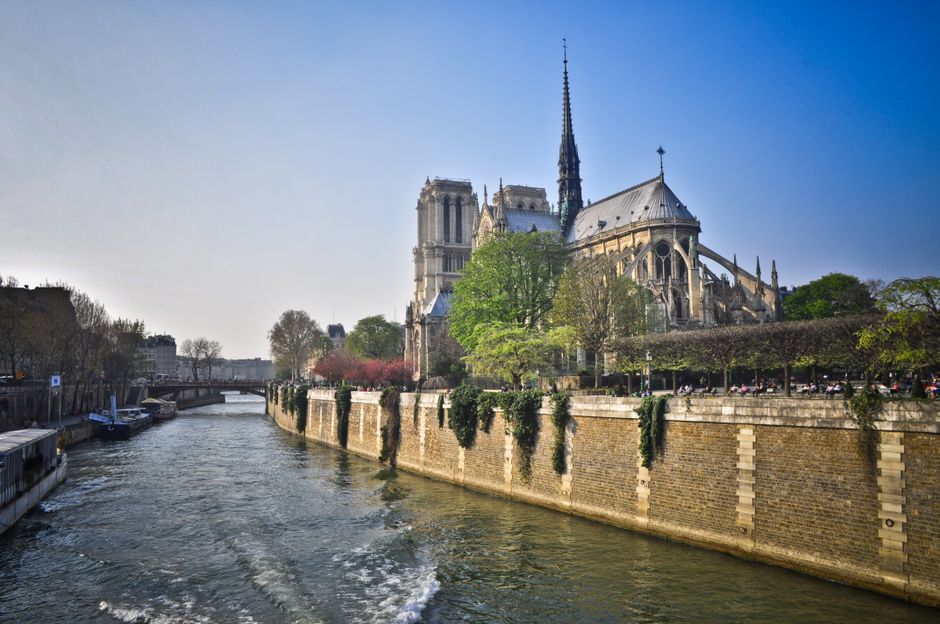
Current conditions favour outdoor exploration of Paris's iconic landmarks. The Seine embankments, Parisian cafés, and museum gardens are at their most inviting during this period. Pack layers, as mornings can still be cool despite warming afternoons.
Understanding Paris's seasonal patterns helps you choose your ideal visit window:
Spring represents one of the best times to visit Paris. Temperatures climb from 10°C in March to 18°C by May, with increasing sunshine and blooming gardens throughout the city. Easter holidays bring crowds, but the weather is generally mild and pleasant. Spring showers are common, so pack waterproof jackets.
Summer is peak tourist season for the best time to visit Paris. Temperatures range from 20–26°C, with warm, long days perfect for sightseeing. However, July and August see maximum crowds and occasional thunderstorms. June offers the sweet spot—warm weather with slightly fewer visitors than peak summer months.
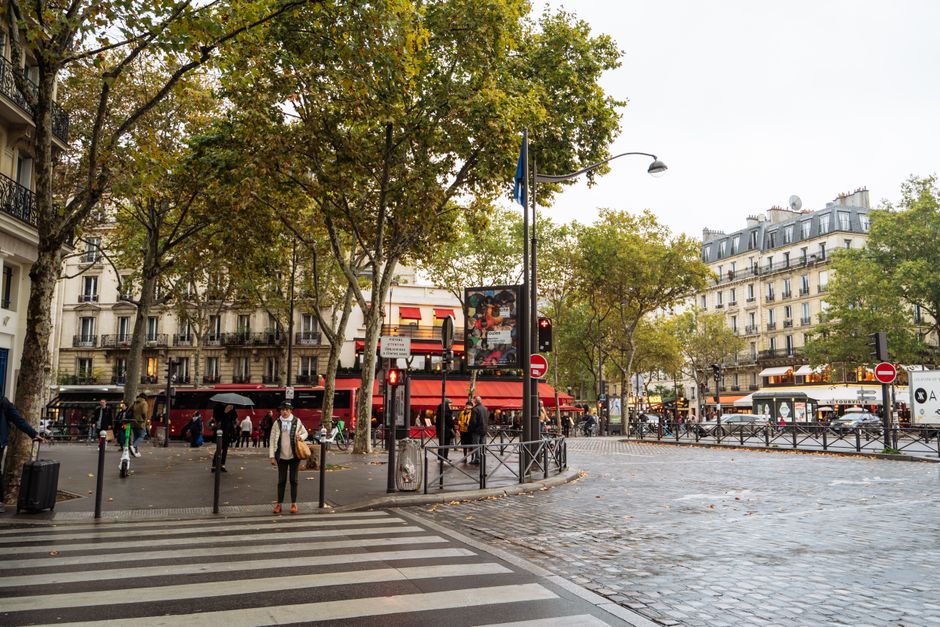
Autumn is arguably the best time to visit Paris for many travellers. September–October offers comfortable temperatures (15–20°C), stunning golden light, and dramatically reduced crowds. The chestnut trees and Seine reflections create photographer's paradise conditions. Early November sees cooler weather (10–12°C) but fewer tourists.
Winter brings Christmas markets and festive atmosphere, with temperatures between 3–8°C. Snow is rare but occasional frosts occur. January and February are the quietest months, offering authentic Paris experiences without summer throngs. However, daylight hours are limited (around 8–9 hours daily), and grey skies are frequent.
Paris experiences a temperate oceanic climate with distinct seasonal variations. The city receives approximately 640mm of rainfall annually, distributed fairly evenly throughout the year. June 2026 marks the transition into Paris's dry season, with precipitation decreasing into summer months.
For Australian context: While Australian winter dominates southern cities in June 2026 (with Melbourne at 8–14°C), Paris enjoys early summer warmth at 18–24°C. This represents ideal travelling conditions—warm enough for comfortable outdoor exploration without the intense heat and tourist saturation of July–August.
The Atlantic Ocean's moderating influence keeps Paris from extreme temperature swings. The city rarely experiences temperatures below freezing for extended periods or exceeding 30°C, making it relatively predictable for trip planning.
Packing recommendations depend on your travel season:
Year-round essentials: Comfortable walking shoes (Paris demands considerable foot travel), travel adapter (European Type C/E plugs), portable charger, and a reusable water bottle.
For the best time to visit Paris without crowds, choose April–May or September–October. These shoulder seasons offer excellent weather, manageable visitor numbers, and authentic Parisian atmosphere. If summer travel is necessary, visit in June before peak July–August crowds arrive.
Avoid January if possible—while quiet, the combination of cold, short daylight, and grey skies makes sightseeing less enjoyable. December offers festive compensation for winter weather, making it worthwhile for holiday-focused trips.
Stay updated on Paris weather patterns and seasonal forecasts through The Daily Paris, your comprehensive resource for Paris travel planning, cultural insights, and seasonal recommendations. Follow our guides to maximise your Paris experience regardless of when you visit.
This article was compiled by AI and screened before publishing. See our editorial standards.
How does this story make you feel?
Spread the word
About this article
Published by The Daily Paris
Daily brief
Free, in your inbox before 7am. Weekdays.
More in News