wellness
Journaling as a mindfulness tool: how to start
Pen, paper, and fifteen minutes a day could be the most effective stress intervention you're not yet using.
How we reported this
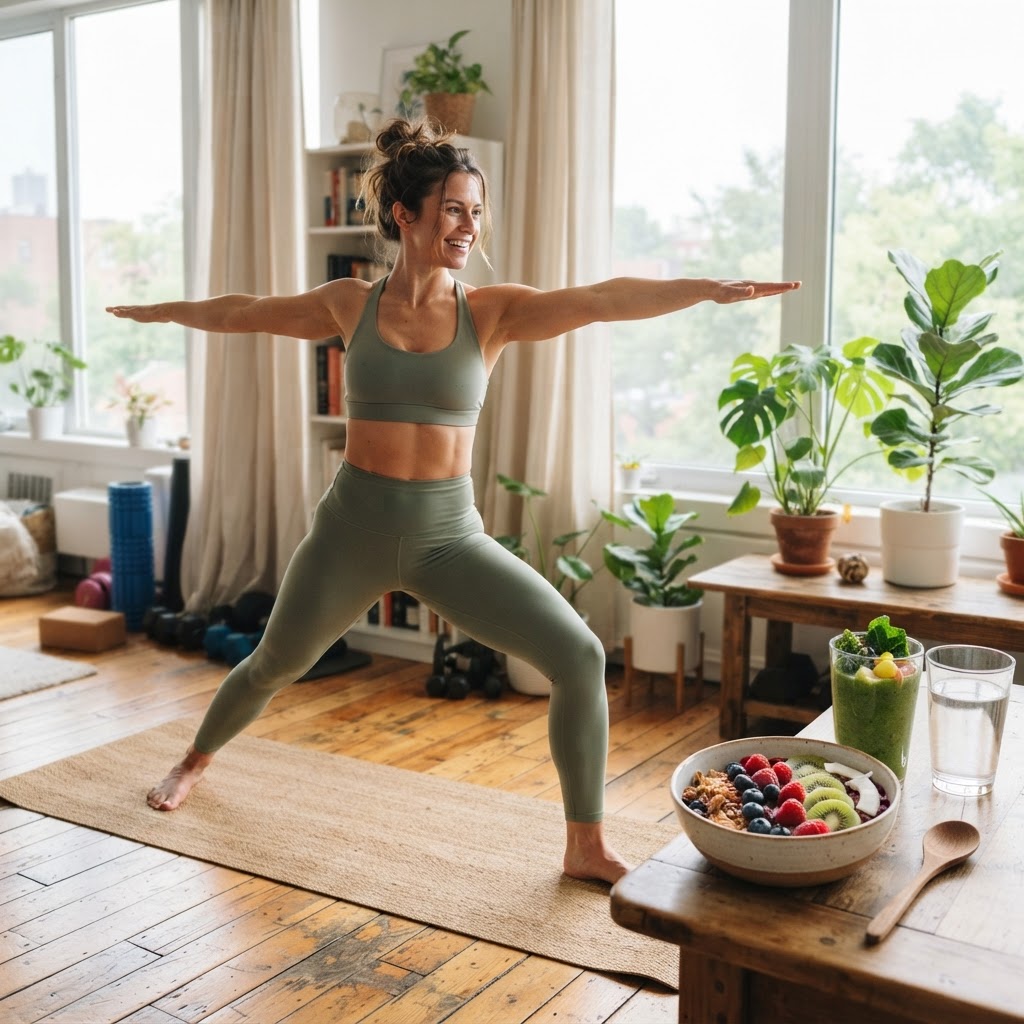
The notebook is having a moment in Paris. Across the city's arrondissements, from the terrace cafés of the Marais to the shaded benches along the Canal Saint-Martin, more people are carrying journals not for shopping lists or meeting notes, but as a deliberate mental-health practice. Structured journaling, writing with intent about thoughts, feelings, and patterns, has moved from therapy worksheets into mainstream wellness culture, and the evidence behind it is harder to dismiss than the trend.
The timing matters. France's national health agency, Santé publique France, has tracked rising rates of anxiety and psychological distress since the pandemic years, with adults aged 18 to 44 consistently reporting elevated stress. Meanwhile, waitlists at Paris's public mental-health centres, including those within the AP-HP hospital network, have lengthened. General practitioners working within the city's universal-coverage system have found themselves fielding more stress-related consultations with limited time per appointment. Low-cost, evidence-adjacent self-care tools have become a practical gap-filler, and journaling fits that description almost perfectly.
What the research actually says
The case for expressive writing was built largely on work begun by psychologist James Pennebaker in the 1980s at the University of Texas. His controlled studies found that participants who wrote about emotionally significant experiences for 15 to 20 minutes on four consecutive days showed measurable improvements in immune markers and reported fewer illness-related GP visits in the months that followed. That research has been replicated and refined many times since. A 2018 analysis published in the journal Psychosomatic Medicine confirmed that expressive writing interventions produced consistent reductions in self-reported psychological distress across diverse populations.
What journaling is not, to be clear, is therapy. It does not replace a consultation with your médecin traitant or a referral to a psychologue. France's Sécurité Sociale partially reimburses psychological sessions under the Mon Soutien Psy scheme, which was extended in its current form through 2025 and is still available for adults via GP referral. Anyone experiencing persistent anxiety, depression, or crisis should pursue that route first.
For the many people who are stressed but not in crisis, journaling offers a structured way to slow down the internal noise. The key distinction is between venting, writing the same anxious loop repeatedly, and reflective journaling, which uses prompts to guide the writer toward observation and meaning-making. The difference in outcome is significant.
Where to begin, and where to do it in Paris
Starting is simpler than most people expect. You need a notebook, something to write with, and a consistent time slot of around 15 minutes. Morning tends to work better than evening for reflective practice, before the day's decisions accumulate. The Tuileries Garden, open from 7am in summer, offers a specific and genuinely useful setting: the Luxembourg quarter benches near the central basin are rarely crowded before 8am, and the physical removal from a screen-dominated environment reinforces the mental shift journaling requires.
The Centre de Méditation de Paris, located in the 9th arrondissement on Rue de la Tour des Dames, regularly integrates writing exercises into its mindfulness programmes. Drop-in meditation sessions there have run at around €15 per session, making them accessible without a long-term commitment. The centre's approach to combining seated meditation with reflective writing offers a useful structure for beginners who find a blank page intimidating.
For those who prefer a secular and community-based environment, the association Esprit Yoga, which operates from a studio near Place de la République, runs workshops that have included journaling as part of broader wellbeing programming. The Seine riverbanks between Pont de Sully and Pont d'Iéna, now traffic-free on weekends under the Voie Georges-Pompidou pedestrianisation scheme, provide a walkable route to a quieter spot where the practice can become genuinely meditative.
A workable starting prompt for day one: write three factual observations about your current emotional state, then one sentence on what you want to feel differently by tonight. Specific, not sweeping. Concrete, not abstract. That discipline, precision over catastrophising, is where the therapeutic mechanism lives. Keep the first week's entries short. The habit matters more than the length. A notebook from any of the papeteries along Rue de Rivoli will do the job perfectly well.