wellness
Paris at Dawn: The Best Sunrise Spots for Morning Meditation and Yoga
As outdoor wellness culture takes root across the capital, these green corners of Paris reward early risers with something the rest of the city hasn't discovered yet.
How we reported this
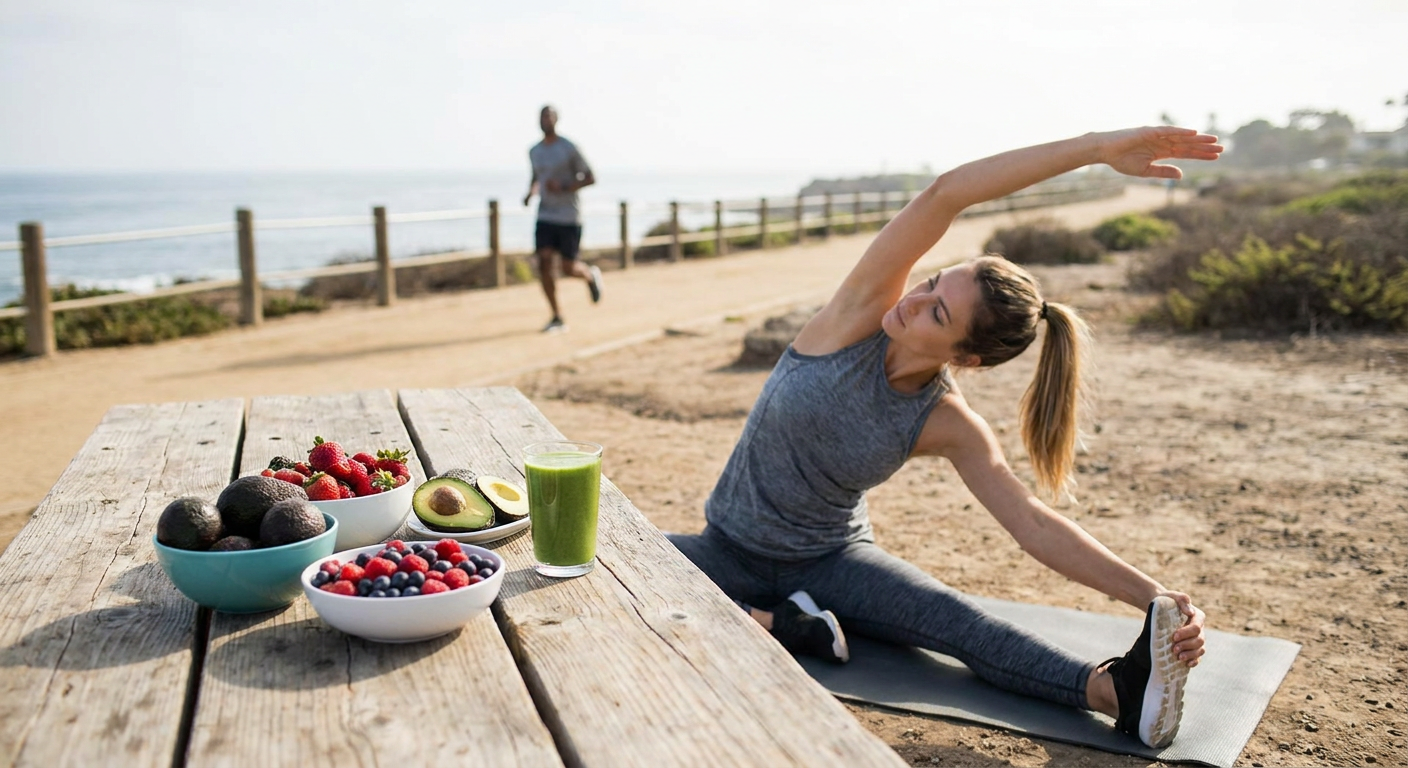
By 6 a.m. on a clear July morning, the Tuileries Garden is almost unrecognizable. The tourist crowds are hours away. Joggers nod at one another along the central allée, and a loose cluster of practitioners has already unrolled mats near the Bassin Octogonal, facing east as the light breaks over the rooftops of the 1st arrondissement. This is Paris at its quietest, and its most useful for anyone serious about a morning practice.
Demand for outdoor fitness space in Paris has been building steadily since the city redesigned significant stretches of the Seine riverbanks under the Paris en Commun urban renewal plan. The Voie Georges Pompidou, once a six-lane expressway along the Right Bank, has been car-free for years, giving residents a flat, wind-sheltered corridor that functions as an informal outdoor gym from the Pont de l'Alma to the Hôtel de Ville. What is newer is the explicit focus on mindfulness practices, yoga, tai chi, guided meditation, that have moved out of studios and into the open air, accelerated by the surge in outdoor living habits that followed the pandemic years and sustained by the city's investment in green infrastructure ahead of the 2024 Olympic Games.
Where to Go Before the City Wakes Up
The Jardins du Trocadéro, across the river from the Eiffel Tower in the 16th arrondissement, is the capital's most dramatic sunrise backdrop. Arrive before 6:30 a.m. in summer and you will find space on the wide stone terraces overlooking the Champ-de-Mars axis. The geometry is almost purpose-built for seated meditation: the tower ahead, the Seine below, and relatively little traffic noise before 7 a.m. The Champ-de-Mars itself, the long lawn stretching south from the tower, has hosted free outdoor yoga sessions under the Paris Respire programme on Sunday mornings, with the park closed to vehicle traffic from 9 a.m. Check the Mairie de Paris website for the current 2026 schedule before heading out, sessions and locations shift seasonally.
The Bois de Boulogne, a 845-hectare wood on the western edge of the city, is less obvious but arguably more rewarding. The Lac Inférieur, reached from the Porte Dauphine entrance in the 16th, offers a lakeside clearing near the rowing club that attracts a regular early-morning tai chi group on weekday mornings. The path around the lake is 2.7 kilometres, walkable in 35 minutes, runnable in under 20, and almost entirely free of cyclists at first light, when the Bois cycling routes are still quiet. Bring a mat and arrive by 6 a.m. to claim a dry patch of grass above the water's edge.
In the northeast, the Parc des Buttes-Chaumont in the 19th arrondissement has developed a loyal wellness community around its rocky hills and artificial lake. The Temple de la Sibylle lookout, perched on the Île du Belvédère, catches the sunrise at an angle that makes it one of the most photographed spots in any Paris wellness influencer's feed, though on weekday mornings the reality is far calmer than the images suggest. The association Yoga Buttes, which is based in the 19th, has run drop-in outdoor sessions in the park during summer months, typically charging between €8 and €12 per class as of the 2025 season.
Making It a Habit: What You Need to Know
Sunrise in Paris falls around 5:50 a.m. in early July 2026, giving practitioners a golden window before office workers and dog walkers take over the green spaces. All city parks listed here open at dawn under standard Mairie de Paris rules, though closures can apply after heavy rainfall or during maintenance. Carry a waterproof mat bag, the grass along the Seine banks holds dew well into July mornings, and check the RATP journey planner for early-morning Métro and Vélib' bike-share routes, since several of the parks listed above are accessible by Vélib' station within a five-minute ride.
For anyone new to outdoor practice in the city, the programme Paris Santé Actif, coordinated through the city's Direction de la Santé Publique, offers guided group activities in parks across all twenty arrondissements, often free or subsidised. As always, for personal health questions, particularly around breathwork, hormonal balance, or adapting a practice to a specific condition, consulting a local médecin généraliste or a registered physiotherapist remains the right first step. The parks will be there at dawn. So will the quiet.