wellness
Paris Streets Teach Ancient Walking Meditation for Modern Mindfulness
Paris's streets, riverbanks and gardens offer an unlikely but powerful classroom for one of the oldest mental health practices going.
How we reported this
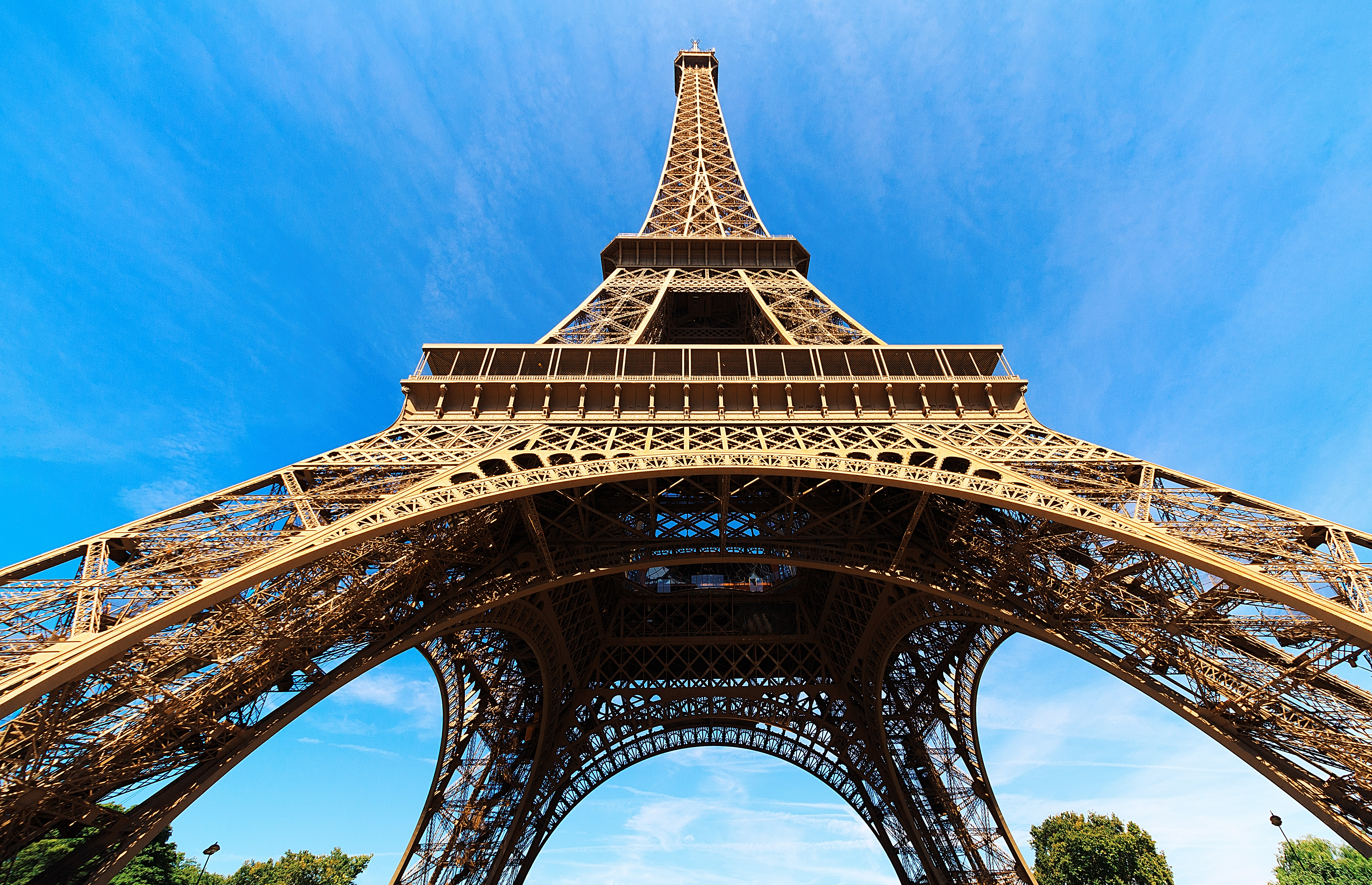
The morning joggers along the Quai de Valmy don't know it, but the slow walkers moving deliberately beside them may be getting something they're not. Walking meditation, the practice of treating each step as an object of focused attention rather than a means to an end, has moved from Buddhist retreat centres into the mainstream of urban wellness culture, and Paris, with its exceptional public green space and car-free riverside zones, turns out to be unusually well suited to it.
The timing matters. Across French cities, sleep disruption and chronic low-grade anxiety spiked during successive heatwaves and post-pandemic readjustment, pushing demand for accessible, cost-free mental health tools. Psychologists and GPs within the French national health system, the Sécurité Sociale, have increasingly pointed patients toward structured mindfulness as a complement to clinical care, particularly for people who find seated meditation frustrating or who simply never manage to sit still long enough for it to take hold.
What the Practice Actually Involves
Walking meditation strips the act of walking back to its raw components. Practitioners fix attention on the physical sensation of each foot making and breaking contact with the ground, the rhythm of the breath, the weight shifting from heel to toe. The mind wanders, it always does, and the practice is simply to notice that it has wandered and return attention to the body. That cycle, repeated over twenty or thirty minutes, builds the same neural pathways that seated mindfulness targets.
Research published in the journal Mindfulness in 2023 found that participants who practiced walking meditation for four weeks reported measurable reductions in perceived stress scores compared with a control group who walked the same distances without structured attention. The study ran for 28 days, with sessions averaging 25 minutes each. For anyone already commuting on foot through the 10th or 11th arrondissement, that is not an extra demand on a packed schedule, it is a reframe of what is already happening.
The Bois de Boulogne, on Paris's western edge, offers one of the most practical settings in the city. Its 846 hectares of woodland paths provide stretches long enough and quiet enough to sustain uninterrupted attention. The unpaved tracks near the Lac Inférieur are particularly useful: the variable terrain underfoot, loose gravel, compacted earth, exposed root, gives the senses more to anchor to than a smooth pavement does, making it easier to stay present. Weekend mornings before 9am, the crowds thin enough that the paths feel genuinely contemplative.
Where to Start in Paris
The Tuileries Garden along the Rue de Rivoli has hosted structured outdoor wellness sessions, including yoga and breathing workshops, for several years through partnerships with Paris Respire, the city's regular car-free Sunday programme. Those Sunday closures, running on the first Sunday of each month across central arrondissements, reduce traffic noise significantly and make the garden's central gravel allée viable for slow, deliberate walking practice without competing with cyclists or scooters.
The Association Zen de Paris, which operates from the 13th arrondissement, includes kinhin, the formal Zen form of walking meditation, in its regular sesshin retreats. Drop-in introductory sessions have historically been priced at under €15. The Centre Mindfull Paris in the 9th arrondissement offers secular MBSR-style programmes, Mindfulness-Based Stress Reduction courses developed originally at the University of Massachusetts in 1979, which incorporate walking practice as a core module alongside seated work.
For those starting alone, the Seine riverbanks between Pont de l'Alma and Pont d'Iéna, pedestrianised since the Berges de Seine project opened the right bank to foot traffic, offer a flat, 2.3-kilometre stretch with consistent visual anchors: the water, the bridges, the opposite bank. Pick one sensory channel, sound, or the feeling of the ground, and hold it. When attention drifts to a work email or an argument from yesterday, note that it has drifted, then return. That is the whole practice.
If you are managing a diagnosed anxiety disorder or depression, speak with your médecin traitant before replacing any prescribed treatment with a self-directed mindfulness programme. Walking meditation is a tool, not a cure, but as Parisian infrastructure goes, it is one of the more accessible ones currently on offer, and it costs nothing to begin.