wellness
The Science Behind Mindfulness: What It Actually Does to the Brain
Neuroimaging research is making it harder to dismiss meditation as soft wellness theatre, and Paris is paying attention.
How we reported this
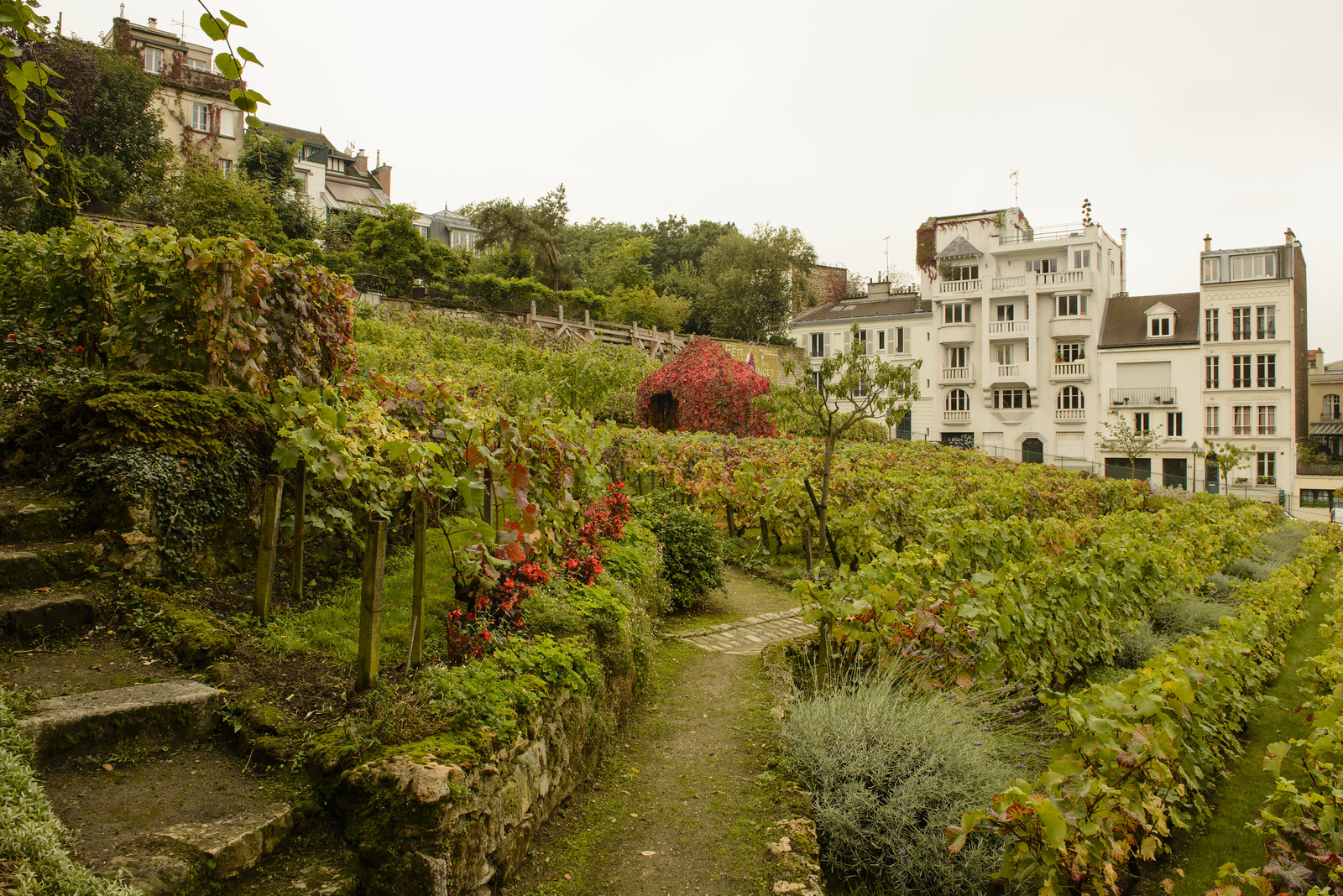
The brain physically changes after eight weeks of regular meditation practice. That finding, now replicated across dozens of peer-reviewed studies, is reshaping how doctors, employers and city planners think about mental health, and it is landing with particular force in a city where the pace of daily life can feel relentless. Paris, a capital of 2.1 million people squeezed into 105 square kilometres, has become an unlikely laboratory for urban mindfulness.
The timing matters. Europe's post-pandemic mental health burden has not receded quietly. The World Health Organization estimated in 2022 that anxiety and depression cost the global economy approximately $1 trillion per year in lost productivity, a figure researchers say has continued to climb. In France, where the universal healthcare system (la Sécurité Sociale) absorbs much of the treatment cost, there is growing institutional interest in prevention rather than cure. Mindfulness sits squarely in that conversation.
What the Neuroscience Actually Shows
The most cited structural finding comes from research associated with Massachusetts General Hospital and Harvard Medical School, published in the journal Psychiatry Research: Neuroimaging in 2011, which found measurable increases in grey matter density in the hippocampus, the region linked to learning and memory, among participants who completed an eight-week Mindfulness-Based Stress Reduction (MBSR) programme. Grey matter in the amygdala, the brain's threat-detection centre, decreased. Participants reported lower stress. The scans confirmed something was actually happening.
More recent work has focused on the prefrontal cortex, the region responsible for executive function and emotional regulation. Regular meditators show thicker cortical tissue there, even after controlling for age. The default mode network, the mental chatter that fires when we are not focused on a task, becomes less dominant. Put plainly: the brain gets better at quieting itself. A 2023 meta-analysis published in Neuroscience & Biobehavioral Reviews examined 78 studies and concluded that mindfulness-based interventions produced consistent, if modest, changes in both brain structure and function across diverse populations.
None of this means ten minutes of breathing on a yoga mat cures clinical depression. Researchers are careful to note that most studies involve small samples, and effect sizes vary considerably. Anyone experiencing serious mental health symptoms should speak to their GP (médecin généraliste) or contact a mental health professional through France's Mon Soutien Psy scheme, introduced in 2022, which offers reimbursed sessions with a psychologist.
Where Paris Is Putting This Into Practice
The city's infrastructure makes embodied practice unusually accessible. The Tuileries Garden, steps from the Rue de Rivoli, hosts free outdoor yoga and guided breathwork sessions on weekend mornings through the summer, drawing regulars from the 1st and 8th arrondissements. Along the Seine riverbanks, the Voies sur Berges stretches between the Pont de l'Alma and the Pont de Sully, runners and walkers have carved out informal rituals that, intentional or not, mirror the attentional training at the core of MBSR.
More structured options exist. The Centre Méditation Paris, based in the 11th arrondissement on Rue de la Roquette, runs certified MBSR eight-week programmes, with courses priced at approximately €390 for the full cycle. The Institut Français de Pleine Conscience, which maintains ties to clinical researchers at several French universities, offers introductory workshops and teacher training. Some Paris employers, particularly in the tech and finance sectors clustered around La Défense, have begun contracting mindfulness facilitators for workplace programmes, a trend also visible in London and Berlin.
The Bois de Boulogne, on the western edge of the 16th arrondissement, has long been a destination for cyclists and runners who instinctively practise something close to moving meditation. Sports psychologists note that rhythmic aerobic exercise activates some of the same attentional networks as seated practice, which may partly explain why Parisians who commute by Vélib' bike-share report lower stress than those who rely on Line 13 of the Métro during peak hours.
For readers curious about starting, the evidence points toward consistency over intensity. Twenty minutes daily for eight weeks is the standard MBSR dosage studied in clinical trials. Apps such as Petit Bambou, a French-language meditation platform launched in Paris, offer guided programmes from €5.99 per month. A session in the Tuileries costs nothing at all. The science does not require a retreat in Burgundy or a subscription to anything expensive, just repetition, and enough quiet to notice the brain doing its work. As always, consult your médecin généraliste before beginning any new health practice, particularly if you are managing an existing mental health condition.