wellness
Breathe In, Paris: A Beginner's Guide to Starting a Meditation Practice
From the Tuileries to the Marais, the French capital is quietly becoming one of Europe's most meditation-friendly cities, and getting started costs less than a café crème.
How we reported this
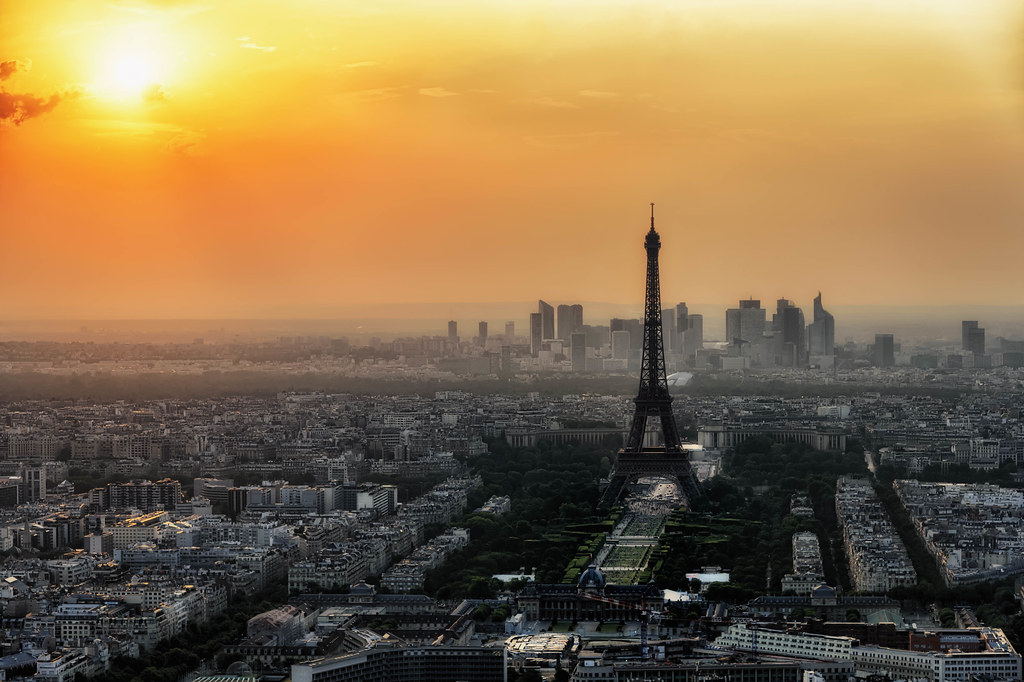
Parisians are sitting still. Not in the stoic, café-chair-watching way the city is famous for, but deliberately, eyes closed, breath counted, meditating. Enrollment in guided meditation sessions across Paris has climbed steadily since 2023, driven partly by post-pandemic burnout awareness and partly by a growing body of clinical research linking regular practice to reduced cortisol levels and improved sleep quality. If you have been meaning to start and keep postponing it, the infrastructure of this city is quietly conspiring to make it easy.
The timing matters. France's national health agency, Santé publique France, has in recent years expanded its public mental health awareness campaigns, bringing stress management, including mindfulness-based techniques, into conversations that once stopped at prescription medication. The country's universal healthcare framework means that GP appointments to discuss anxiety or sleep disorders are accessible at relatively low cost, and an increasing number of médecins généralistes in arrondissements like the 10th and 11th are now pointing patients toward mindfulness-based stress reduction, or MBSR, as a complement to clinical care.
Where to Begin in the City
Start outside. The Jardin des Tuileries, between the Louvre and the Place de la Concorde, hosts free outdoor yoga and stretching sessions on weekend mornings through the summer, and the open lawns offer enough quiet, particularly before 9 a.m., to sit for a ten-minute guided session using an app without feeling self-conscious. The Bois de Boulogne, on the western edge of the 16th arrondissement, is another reliable option: its 845 hectares absorb crowds easily, and the area near the Lac Inférieur has become an informal gathering point for early-morning runners who also practise brief breathwork before their circuits.
For something more structured, the Centre de Méditation de Paris on Rue de Bretagne in the 3rd arrondissement, the heart of the Marais, offers beginner drop-in classes starting at €15 per session. The centre runs introductory five-week MBSR courses several times a year; the autumn 2026 cohort opens for registration in August. Shambhala Paris, on Rue de la Roquette in the 11th, is another well-established option, offering secular meditation instruction alongside its Buddhist programming. Their Sunday morning introductory sits are free for first-time visitors.
Apps bridge the gap between formal classes. Petit Bambou, the French-language meditation app founded in Paris, reported crossing three million registered users in France as of its 2024 annual report. A premium subscription runs roughly €54.99 per year, and the app's beginner track, eight sessions of ten minutes each, is available in full without payment. For those who prefer English, Insight Timer lists more than 180,000 free guided meditations, including sessions specifically designed for urban environments and commuters.
What the Evidence Actually Says
The science is substantial enough to take seriously. A 2023 meta-analysis published in JAMA Internal Medicine, examining data from more than 3,500 participants across 47 randomised controlled trials, found that mindfulness meditation programs showed moderate evidence for improving anxiety, depression, and pain outcomes. The key phrase researchers kept returning to was consistency over duration: eight minutes daily outperformed sporadic 45-minute sessions in self-reported stress reduction after eight weeks.
That is practical news for anyone worried they cannot carve out enough time. A commute on Line 4 between Montrouge and Clignancourt takes roughly 22 minutes end to end. That is more than enough.
The practical advice, then, is this: pick one anchor, a place, a time, a piece of technology, and use it for fourteen consecutive days before evaluating whether it is working. Tuesday and Thursday mornings at the Tuileries. Seven minutes on Petit Bambou during the Métro. A Sunday drop-in at Shambhala. The practice does not require silence, a cushion, or even closed eyes at first. It requires only that you start, and that Paris, with its riverbanks and its parks and its improbably calm jardins, gives you more starting points than most cities on earth. For personalised guidance, particularly if you are managing anxiety or a sleep disorder, speak with your médecin traitant before committing to any intensive program.