wellness
The Best Cycling Routes in Paris Safe for Families and Beginners
From the Seine riverbanks to the Bois de Boulogne, Paris has more low-traffic cycling options than most residents realise, here's where to start.
How we reported this
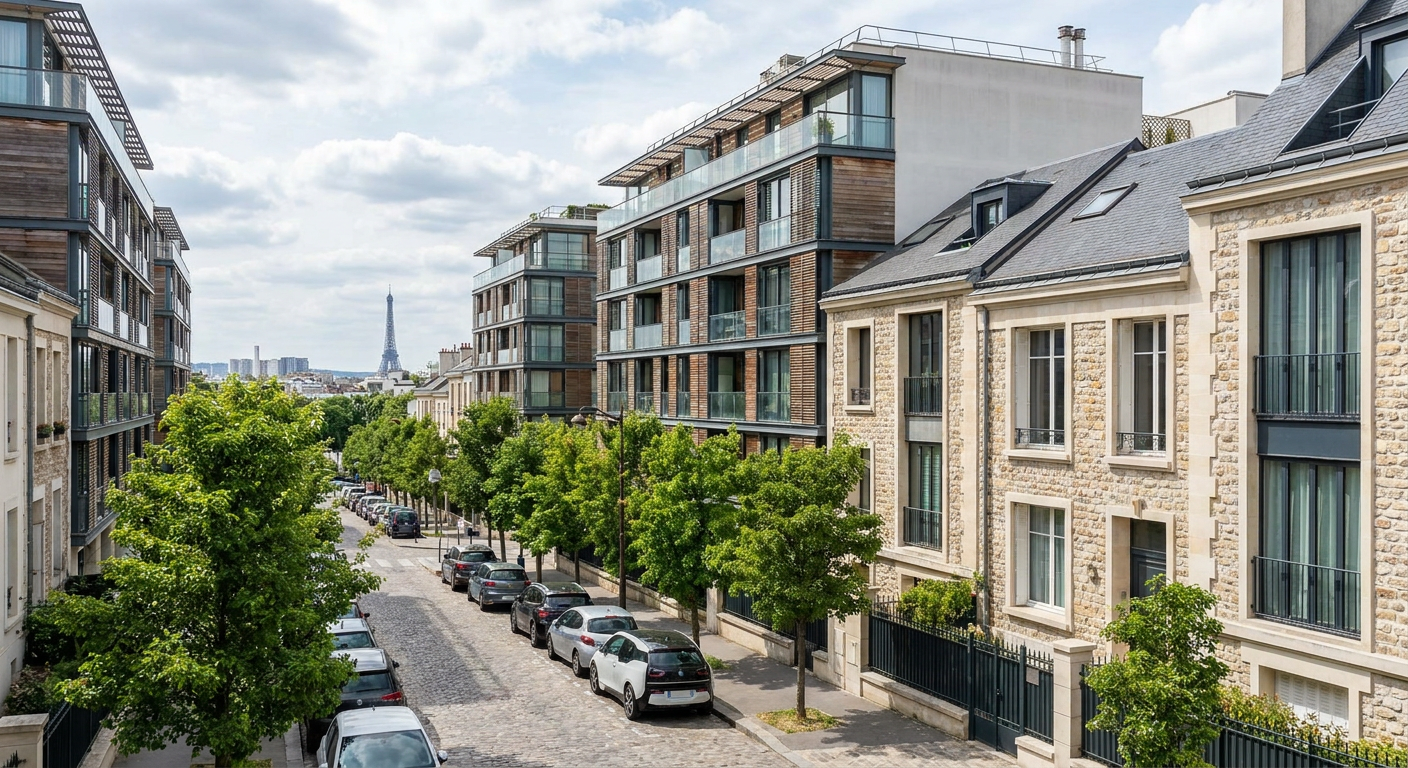
Paris added roughly 1,000 kilometres of cycling infrastructure between 2015 and 2024, and the payoff is now visible every weekend: toddlers on balance bikes alongside parents on cargo cycles, grandparents testing e-bikes, teenagers in groups, all moving at their own pace on dedicated lanes far from fast-moving traffic. For families and anyone who hasn't cycled since childhood, the city offers a handful of genuinely calm, well-maintained routes that deserve to be better known.
The timing matters. Summer school holidays began in late June across the Île-de-France region, which means the Bois de Boulogne and the Canal Saint-Martin towpath fill up on Saturday mornings before 9 a.m. Knowing which routes are truly car-free, and which are merely marked lanes on busy roads, makes the difference between a pleasant outing and a stressful one. Paris's municipal cycling authority, the Direction de la Voirie et des Déplacements (DVD), publishes an updated route map each spring, and the 2026 edition introduced three new beginner-friendly segments in the 12th and 13th arrondissements.
Where to Go First
The Voie Georges Pompidou along the Right Bank of the Seine remains the single best starting point for nervous cyclists. The former expressway has been pedestrian and cyclist priority since 2016, running roughly 3.5 kilometres between the Pont de l'Alma and the Pont de Sully. The surface is smooth, there are no intersections to negotiate, and the views across to the Île Saint-Louis keep children engaged. On Sundays the adjacent quai on the Left Bank, between the Musée d'Orsay and the Pont de Grenelle, also restricts motor traffic under the Paris en Selle programme, creating an effective 7-kilometre loop that families can ride in under an hour at a gentle pace.
The Bois de Boulogne, 846 hectares in the 16th arrondissement, has a dedicated cycle circuit that skirts the Lac Inférieur on a path almost entirely separated from pedestrians. Vélib' Métropole, the city's bike-share scheme, operates a station at the Porte Maillot entrance; a 45-minute classic-bike ride costs €3 with a registered account, and the first 30 minutes on any single journey remain free for subscribers paying the €39 annual fee. Families arriving by Métro on Line 1 to Les Sablons can walk to the Allée de Longchamp entrance in under five minutes.
The Canal de l'Ourcq, running northeast from the Bassin de la Villette in the 19th arrondissement, is worth flagging for residents on that side of the city. The towpath stretches more than 100 kilometres out toward Meaux and is genuinely flat for its entire length, relevant for anyone towing a child trailer or riding a loaded cargo bike. The urban stretch between La Villette and the Parc de la Bergère in Bobigny is paved and well-lit, making it usable on long July evenings until around 9:30 p.m.
Getting Equipped Without Breaking the Budget
Helmet rental is not yet bundled into Vélib' subscriptions, which is a practical gap for visitors. However, the Paris tourist office lists several independent hire shops in the Marais and near the Gare de Lyon that rent helmets alongside bikes from around €5 per day. Children's seats and trail-a-bikes are available from Bike About Tours near the Île de la Cité, which also runs guided family rides on Sunday mornings departing at 10 a.m. between April and October, a useful option for those who want a route explained before going solo.
The Maison du Vélo, located at 11 rue Fénelon in the 10th arrondissement, runs free beginner group rides on the first Saturday of each month, coordinated in partnership with the city's cycling education programme, Savoir Rouler à Vélo. The next session is 5 September 2026. Participants meet at 9 a.m. and spend two hours on low-traffic streets in the Canal Saint-Martin area, no prior experience required, and children over six are welcome with an accompanying adult.
Anyone looking to build a regular routine should check the DVD's interactive map at paris.fr before heading out; it distinguishes between fully protected lanes, mixed-use paths, and advisory markings on shared roads. That distinction matters most with children in tow. As always, a local sports physician or GP can advise on managing any physical limitations before taking up regular cycling, particularly for those returning to exercise after a long break.