wellness
Walking Meditation: How to Turn Your Daily Walk Into Mindfulness
Paris has world-class parks, ancient promenades, and a chronic stress problem, here's how to use all three.
How we reported this
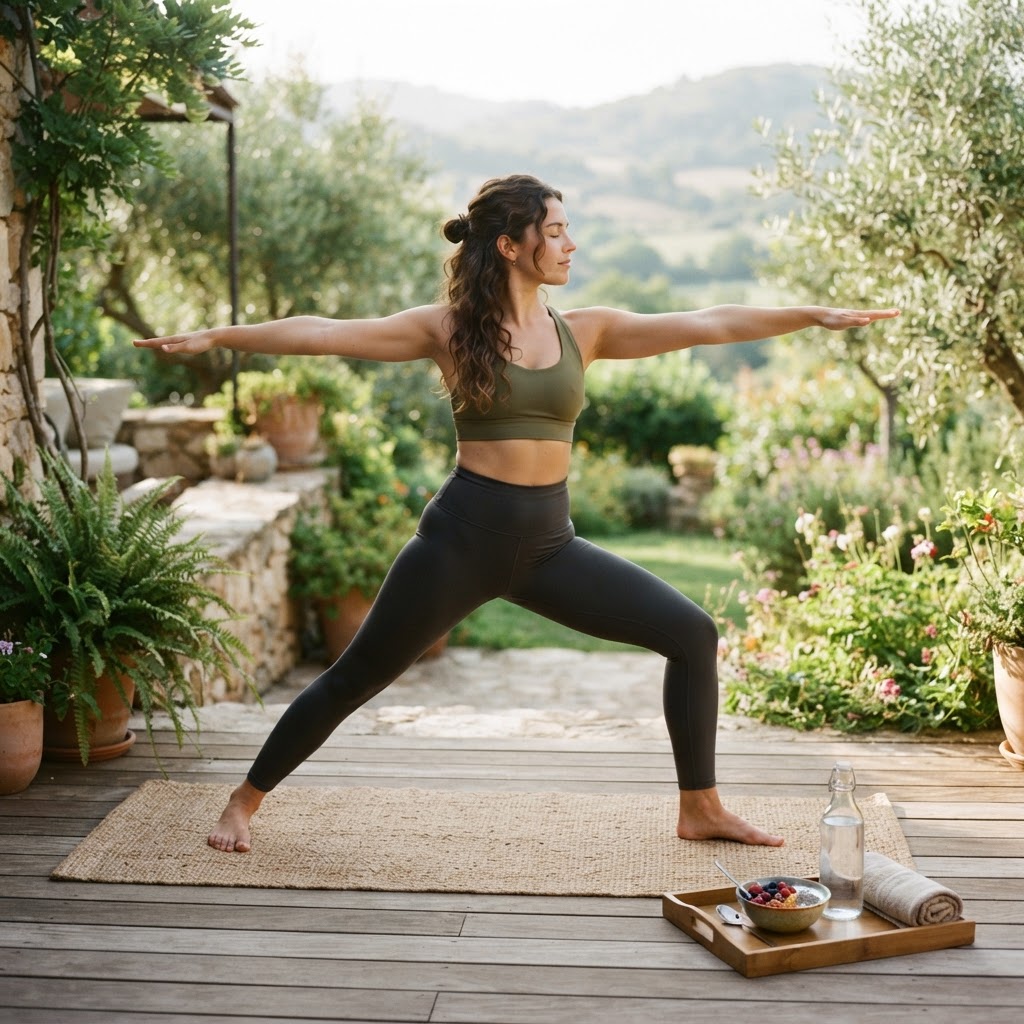
Every morning, tens of thousands of Parisians lace up their shoes and head out the door. Most of them are simply commuting. A growing number are doing something more deliberate: using that walk as a formal mindfulness practice, arriving at their desk, or their boulangerie, noticeably calmer than the colleagues who scrolled through their phones on the Métro instead.
Walking meditation is not a new idea, but it is gaining serious traction in France's wellness conversation right now. Psychologists and general practitioners working within the French national health system, the Sécurité Sociale, have increasingly pointed patients toward mindfulness-based interventions as a first-line complement to talk therapy, particularly for anxiety and mild depression. The appeal of walking meditation specifically is that it requires zero equipment, zero subscription, and zero set-aside time: the commute becomes the practice.
Why Paris Is Surprisingly Good at This
The city offers infrastructure that most urban dwellers can only envy. The banks of the Seine between the Pont de l'Alma and the Pont d'Iéna were redesigned as pedestrian-only promenades, the Berges de Seine, and on a weekday morning before 9 a.m., the path is quiet enough to actually hear your own footsteps on the stone. That sensory detail matters enormously to walking meditation teachers: sound, texture underfoot, and rhythm of breath are the three primary anchors of the practice.
The Jardin des Tuileries, which opens at 7 a.m. daily, offers a long gravel axis running roughly 900 metres from the Louvre end to the Place de la Concorde. Walk it slowly and with intention, meaning eyes slightly downcast, pace reduced by about 30 percent from your normal stride, attention fixed on the physical sensation of each footfall, and that single axis becomes a complete 20-minute session. Groups already gathering on the Tuileries lawns for outdoor yoga on Sunday mornings are evidence that Parisians are not shy about public contemplative practice.
The Bois de Boulogne is the other obvious candidate. Its 846 hectares of woodland paths, particularly the routes around the Lac Inférieur, strip away traffic noise and replace it with birdsong and gravel crunch, precisely the sensory palette that makes outdoor mindfulness easier for beginners than a silent indoor room. The 16th arrondissement entrance via the Porte Dauphine is accessible by Métro Line 2, meaning even residents without a bike can get there on a Tuesday lunch break.
How to Actually Do It
The technique is straightforward, which is both its strength and its hidden difficulty. Begin standing still for 30 seconds. Notice your weight distributed across both feet. Then start walking at roughly half your normal speed. For the first five minutes, place all attention on the physical sensation of each step: heel contact, roll through the arch, push off from the toes. When the mind wanders, and it will, immediately, to the meeting at 10 a.m. or the WhatsApp notification you didn't answer, simply notice that it has wandered and return attention to the feet. That noticing-and-returning is the whole practice. Do it 50 times in 20 minutes and you have done 20 minutes of mindfulness training.
For Parisians wanting structured guidance before going it alone, the association Pleine Conscience Paris, based in the 11th arrondissement, has run Mindfulness-Based Stress Reduction courses, the eight-week MBSR program developed at the University of Massachusetts in 1979, since 2012. Sessions run roughly €350 for the full eight-week programme, with some practitioners offering sliding-scale fees for patients referred through their médecin traitant. The Centre Médical Breteuil in the 15th arrondissement is among the GP practices that have historically signposted patients toward MBSR-adjacent approaches, though anyone considering adding mindfulness practice to an existing mental health plan should discuss it with their own doctor first.
The practical starting point this week: choose one walk you already take, school run, Métro gap, lunchtime errand, and do it without your phone in your hand. That single constraint, repeated daily for two weeks, is where most practitioners say the habit actually forms. The Seine will still be there. So will your thoughts. The point is to notice both without being dragged under by either.