tech
Paris Tech Scene Charts Its Next Phase: AI, Deep Tech and a Growing Startup Army
With more than €3.8 billion invested in 2024 and AI now drawing over a third of all funding, the French capital is reshaping its innovation roadmap beyond fintech.
How we reported this
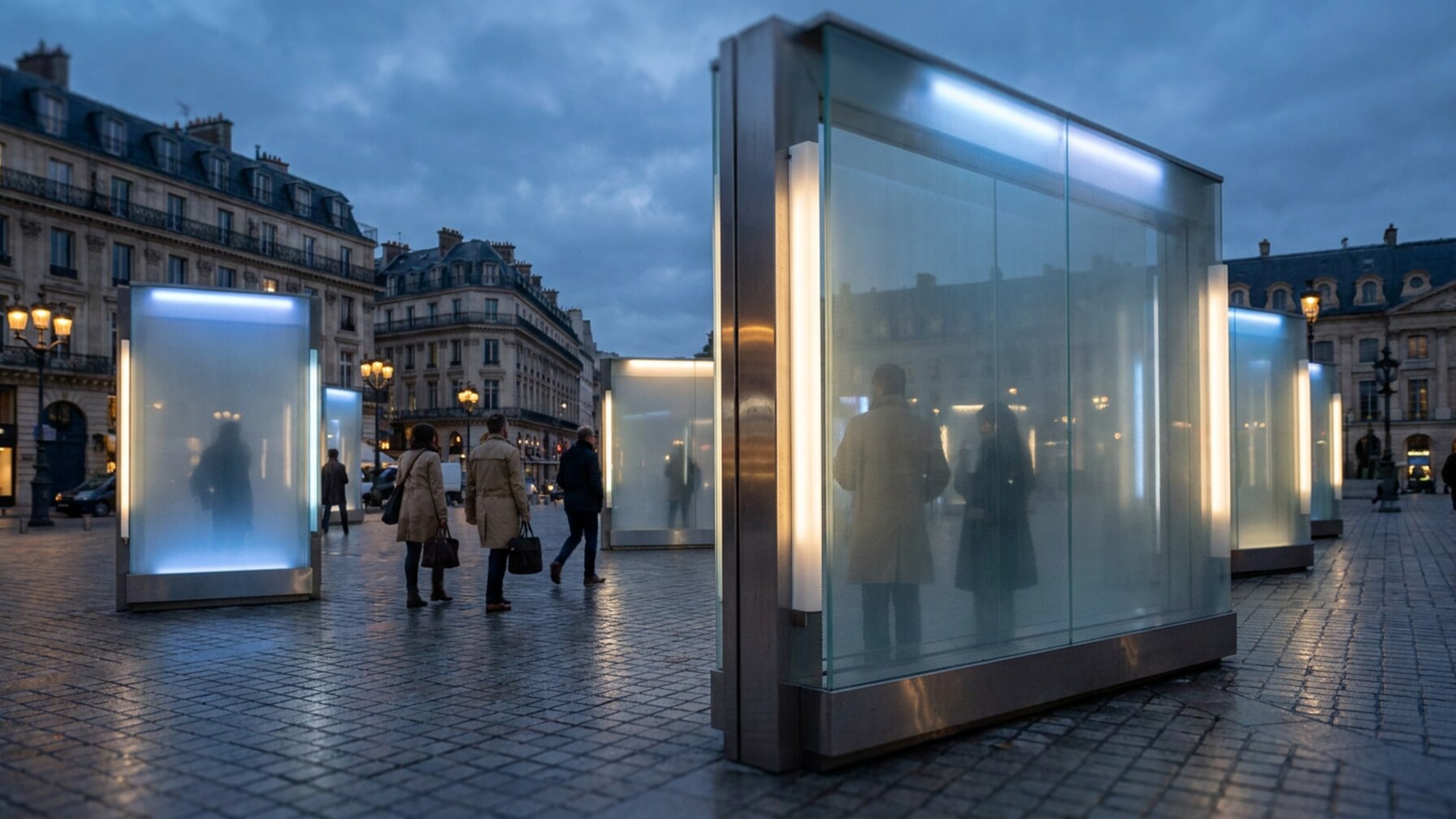
Paris has officially overtaken London as Europe's top startup hub, and the city's tech leaders are now laying out what comes next. According to Dealroom's Global Tech Ecosystem Index, Paris became the only European city to rank inside the top five global tech ecosystems in 2025, a milestone driven by surging investment and a deliberate pivot toward artificial intelligence and deep tech.
A Redirected Investment Engine
More than €3.8 billion was poured into Paris startups in 2024, with over a third of that sum, roughly €1.3 billion, flowing specifically into AI ventures. That marks a clear strategic shift from the fintech-heavy years that previously defined the city's ecosystem. Fintech remains the dominant sector by company count, but the funding mix now signals that AI is being treated as Paris's future growth engine.
At Station F, the world's largest startup campus located in the 13th arrondissement and home to roughly 1,000 companies, the buzz has tilted noticeably toward machine-learning models, healthtech platforms and climate-tech hardware. Station F itself, backed by government initiatives including the French Tech Mission and the public investment bank Bpifrance, has become the physical anchor of that transition, hosting accelerators, corporate partnerships and early-stage labs focused on emerging technologies.
More Startups, More Scientists
The Paris metropolitan area now hosts approximately 12,000 startups, with more than 8,000 concentrated inside the city limits, according to Startup Genome data. That density is underpinned by France's deep talent pool: Paris accounts for 39% of the nation's R&D workforce and 29% of its scientists and engineers. The concentration gives Paris an advantage in deep tech fields where long R&D cycles and specialised talent are non-negotiable.
France had at least 34 unicorns as of 2023-2024, with 20 of those headquartered in Paris. Beyond fintech, the breakout sectors are healthtech, climate tech and deep tech, areas that typically require years of research before producing marketable products. The French Tech Mission and Bpifrance have structured public funding programmes specifically to bridge that gap, offering non-dilutive grants and co-investment vehicles that let founders take bigger technical risks.
What Comes Next On the Roadmap
Industry observers expect the coming wave of Paris-born products to emerge from three corridors: AI-powered diagnostics and drug discovery in healthtech, grid-optimisation and carbon-accounting software in climate tech, and next-generation semiconductor design in deep tech. Several Station F-based teams are already working on generative AI applications tailored to European regulatory requirements, a niche that could become an exportable advantage as Brussels tightens rules on US big tech.
The challenge ahead is scaling. While the €3.8 billion invested in 2024 set a record, maintaining that pace will require sustained foreign capital and deeper ties between corporate research labs and young startups. For now, the roadmap is clear: Paris has the startups, the scientists and the state-backed infrastructure. The next step is proving that its AI and deep tech bets can generate products, and companies, that define the next decade.