tech
Paris's Silent Security Revolution: How Cybersecurity Tools Are Reshaping Daily Life for Residents
From Metro commutes to café payments, ordinary Parisians are adapting to a digitally safer-but more surveilled-city.
How we reported this
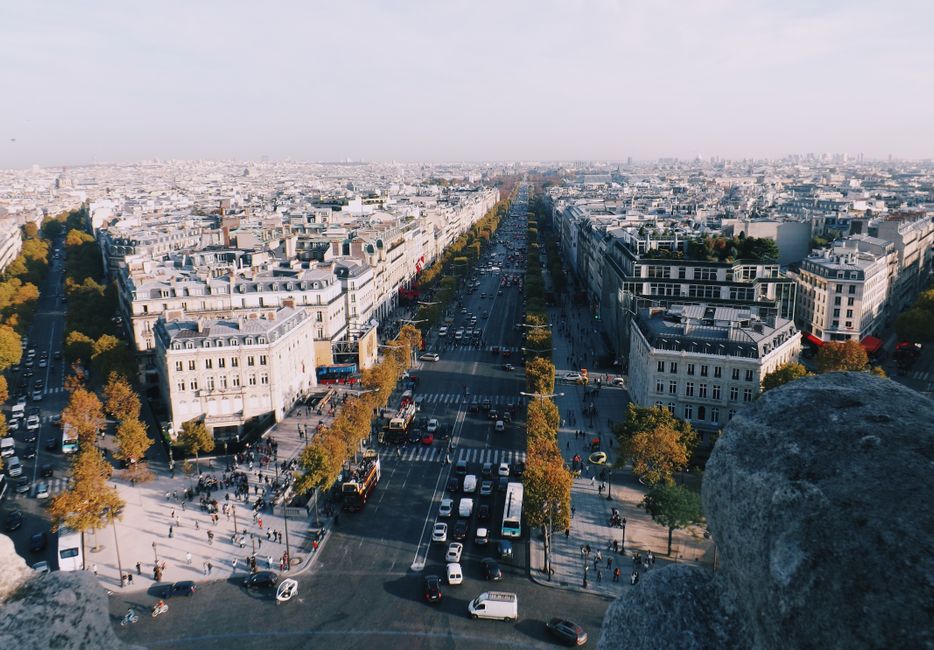
Walk through the 5th arrondissement any weekday morning and you'll see the contradiction playing out in real time: young professionals sipping espresso at Café de Flore while checking their phones with visible anxiety, regularly unlocking biometric authentication apps. This isn't paranoia. It's the new normal in Paris, where cybersecurity innovations meant to protect residents have quietly reshaped how the city's 2.2 million people navigate daily life.
The shift accelerated sharply after 2024's ransomware attack on several SNCF booking systems disrupted train reservations across France. Since then, cybersecurity adoption among Parisians has accelerated dramatically. According to a survey by the Chamber of Commerce and Industry Île-de-France, 73% of Paris residents now use multi-factor authentication for banking apps-up from 34% three years ago. Meanwhile, password manager subscriptions in the Paris metropolitan area have tripled.
The visible changes are everywhere. Small businesses along Rue Mouffetard, traditionally skeptical of tech infrastructure, have begun mandating encrypted payment systems. Local pharmacies now require encrypted digital prescriptions. Even the beloved flower markets near Île de la Cité have shifted to digital-first transactions, with vendors citing security rather than convenience.
Yet this safety comes with friction. Tourist complaints about mandatory device registration at major hotels-a security measure adopted at Le Marais's luxury properties-have sparked debate about privacy versus protection. Metro RATP's facial recognition trial at several high-traffic stations generated enough pushback that the company scaled back rollout plans. The tension reflects a deeper Parisian anxiety: protection or surveillance?
Dr. Sophie Leclerc, a digital ethics researcher at Sciences Po Paris, observes that residents are making pragmatic compromises. "Parisians accepted fingerprint authentication for their bank accounts faster than other European cities," she notes, "but they remain deeply skeptical about location tracking." VPN subscriptions in Paris are among Europe's highest, suggesting residents trust technology more when they control its deployment.
The economic impact is significant. The city's cybersecurity sector has grown 22% annually since 2023, with companies clustering near the Tech Hub in the 13th arrondissement. But small startups in that district report a paradox: while demand for privacy tools explodes, consumer awareness remains low. Many Parisians still don't understand what data their morning Metro ticket transaction collects.
As Paris continues this quiet digital transformation, one thing is certain: the city's relationship with technology is no longer about adopting innovation-it's about negotiating what kind of digital life residents want to live.
This article was compiled by AI and screened before publishing. See our editorial standards.