property
Discover Le Marais: Paris's Most Historic District Explained
From the 17th-century elegance of Place des Vosges to the bustling atmosphere of the Pletzl, here is what you need to know about navigating the Marais.
How we reported this
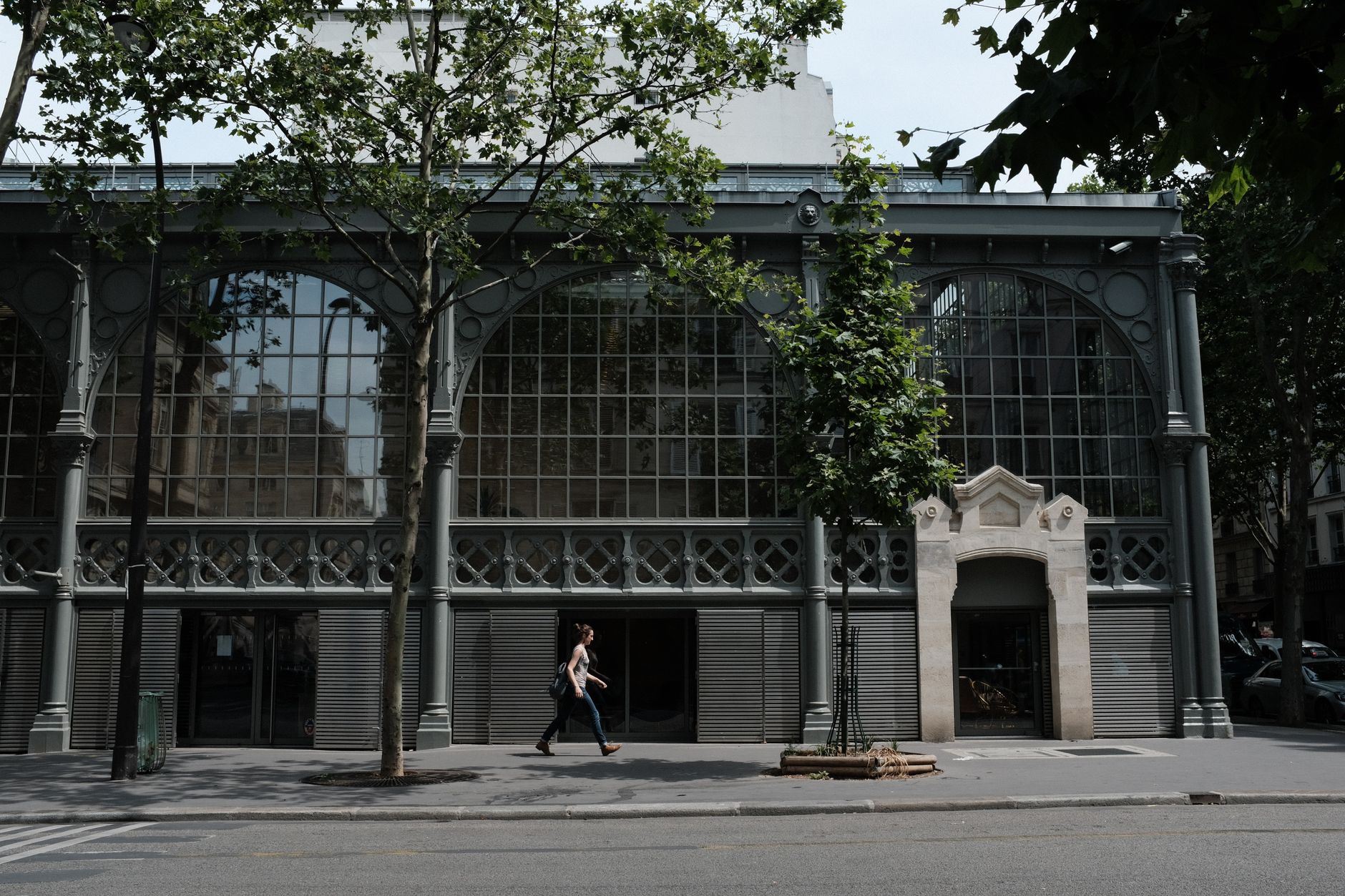
The Marais remains one of Paris’s most distinct districts, blending 17th-century architecture with a high concentration of galleries, boutiques, and historic sites. As the neighborhood continues to attract interest, visitors are often drawn to its mix of preserved heritage and contemporary culture. Whether you are interested in the history of the city or modern trends, the district offers a dense collection of landmarks that reflect the varied character of the French capital.
Place des Vosges and Maison de Victor Hugo
As the oldest planned square in Paris, the 17th-century Place des Vosges serves as an essential starting point for any visit. The square provides a space to relax in its historic gardens. Visitors interested in literature and local history can explore the Maison de Victor Hugo, which is located in the square and offers free admission.
The Jewish Quarter and Rue des Rosiers
Centered on Rue des Rosiers, the historic Jewish Quarter, known as the Pletzl, is a hub of traditional culinary offerings. The area is widely frequented for its falafel-notably at L'As du Fallafel-as well as various local pastries. Beyond the food scene, visitors can deepen their understanding of history by visiting the Shoah Museum, which serves as a central institution for education in the neighborhood.
Cultural Institutions and Museums
The neighborhood is home to a significant density of cultural sites. Key institutions include the Musée Picasso, housed within the Hôtel Salé, which contains a collection of 5,000 works. Additionally, the Musée Carnavalet offers insight into the history of Paris with free entry. Other notable cultural spots include the Musée d’art et d’histoire du Judaïsme, which contributes to the district's reputation as a center for history and art.
Shopping and Local Markets
For those interested in contemporary retail, the streets of Rue des Francs-Bourgeois, Rue Vieille du Temple, and Rue de Turenne feature a variety of trendy boutiques and concept stores. For a more traditional experience, the Marché des Enfants Rouges provides a look at Paris's oldest covered market, offering a distinct alternative to the modern storefronts found elsewhere in the Marais.
Historic Architecture and Inclusive Culture
The district is known for its well-preserved architecture, including half-timbered houses and historic sites such as the Hôtel de Sully and Flamel House, which are frequently featured on local walking tours. Furthermore, the area maintains an inclusive atmosphere, being recognized for its LGBTQ+-friendly culture, which is reflected in its selection of gay bars and inclusive nightclubs.
This article is general information only and is not personal financial or investment advice. Consider your own circumstances and seek licensed professional advice before making financial decisions.
References Sourced but Not Limited to:
- everydayparisian.com · A guide to the marais
- rachelirl.com · Le marais area of paris
- wanderyourway.com · The best things to do in le marais paris
- barcelo.com · Things to do in le marais
- salutfromparis.com · Things to do in the marais
- getyourguide.com · Things to do in le marais paris
- svadore.com · Guide exploring le marais district in paris
- parisjetaime.com · Exploring the marais a1070