property
Is Renting Actually Cheaper Than Buying Right Now?
With Paris purchase prices averaging €10,000 per square metre and mortgage rates still elevated, the maths of homeownership in the capital has rarely looked this punishing.
How we reported this
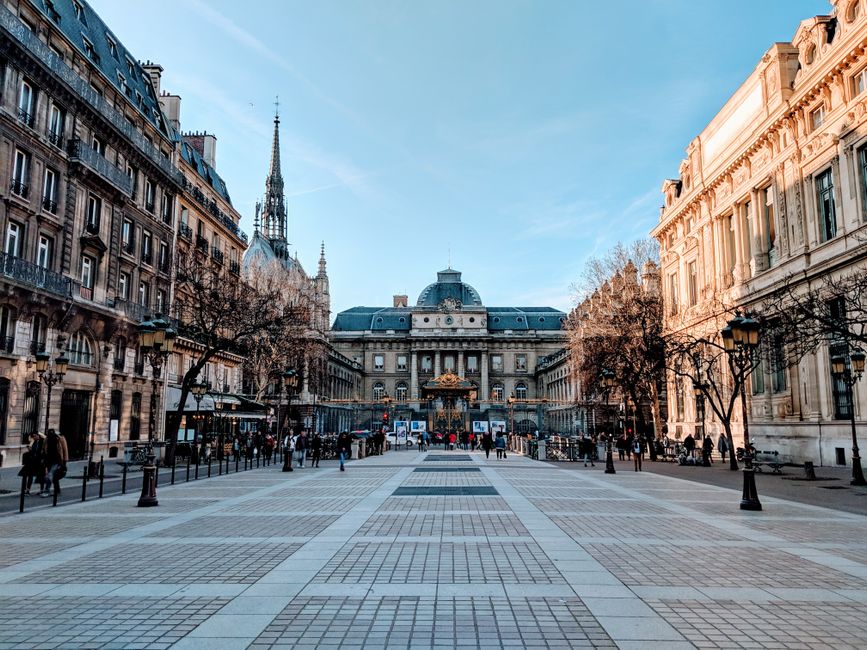
Renting a two-bedroom apartment in the 11th arrondissement costs roughly €1,800 a month. Buying the same flat at current market prices, with a 20-percent deposit and a 20-year mortgage at around 3.7 percent, would push monthly repayments past €2,600 before charges de copropriété and taxe foncière. That gap, more than €800 a month, is driving a quiet but significant shift in how Parisians think about housing in 2026.
The calculus matters now because French mortgage rates, after spiking sharply from historic lows in 2022, have only partially retreated. The Banque de France has tracked a gradual easing through late 2025 and into this year, but rates remain well above the sub-2-percent levels that made buying look irresistible just four years ago. At the same time, the Paris rental market, long dismissed as a temporary fallback for those saving a deposit, has become a credible long-term strategy for households who do the numbers honestly.
The Street-Level Reality in Paris
Walk the Rue de la Roquette in the 11th or browse listings around Oberkampf, and asking rents for a 55-square-metre flat run from €1,650 to €1,950 per month. The same properties, priced at the neighbourhood's current average of roughly €9,500 per square metre, would cost around €522,500. Factor in notaire fees of approximately 7 to 8 percent on older properties, adding another €36,000 to €42,000 upfront, and the entry cost alone is prohibitive for most households without significant family capital behind them.
In the premium arrondissements, the wedge is even wider. A 60-square-metre apartment near the Palais-Royal in the 1st arrondissement can list above €700,000. Monthly mortgage costs at that price, on a 25-year loan, would exceed €3,400. The equivalent rental in that neighbourhood typically sits between €2,200 and €2,600. Renters in central Paris are, in effect, paying a substantial discount to access the same postcode.
The Agence Nationale pour l'Information sur le Logement, known as ANIL, has published guidance noting that breakeven timelines, the point at which buying becomes cheaper than renting on a cumulative basis, have lengthened considerably as rates rose. In many Paris neighbourhoods, ANIL's modelling has suggested that horizon now stretches beyond ten years, meaning a buyer must stay put for over a decade before the equity gains outweigh the financing costs and entry fees. That is a long commitment in a city where job mobility and international movement are constant.
Grand Paris Is Changing the Equation for Some Buyers
There is one arena where the buy-versus-rent calculation looks more balanced: the outer communes being transformed by the Grand Paris Express. Towns like Saint-Denis-Pleyel, Bagneux, and Champigny-sur-Marne, all served or soon to be served by new metro lines, have seen apartment prices rise from around €4,000 to €5,500 per square metre, levels where mortgage costs can more plausibly compete with local rents. A 55-square-metre flat in Bagneux purchased at €4,500 per square metre carries a very different monthly burden than its equivalent in the 6th arrondissement.
Even so, the question of whether property values in those areas will hold and appreciate enough to justify ownership risk remains open. Infrastructure projects create expectations; they do not always deliver them on schedule.
For Parisians wrestling with the decision today, the practical advice from housing advisers at ANIL's Paris office on the Boulevard Saint-Germain is consistent: model the full cost of buying, not just the headline monthly payment. Include the notaire fees, the copropriété charges, maintenance reserves, and, critically, the opportunity cost of the deposit capital. A €100,000 deposit parked in a Livret A or market fund generates returns that a renter keeps and a buyer surrenders to the purchase.
The honest answer, in mid-2026, is that renting in Paris is cheaper than buying for most households over any time horizon under eight to ten years. Whether that window closes as rates fall further will depend on the European Central Bank's next moves, and on whether Paris sellers finally start to blink on price.
This article is general information only and is not personal financial or investment advice. Consider your own circumstances and seek licensed professional advice before making financial decisions.