property
Paris Rental Vacancy Drops Below 2%, Intensifying Competition for Apartments
With fewer than 2% of rental properties sitting empty across much of the capital, would-be tenants are discovering that buying, despite sky-high prices, may now be the less painful option.
How we reported this
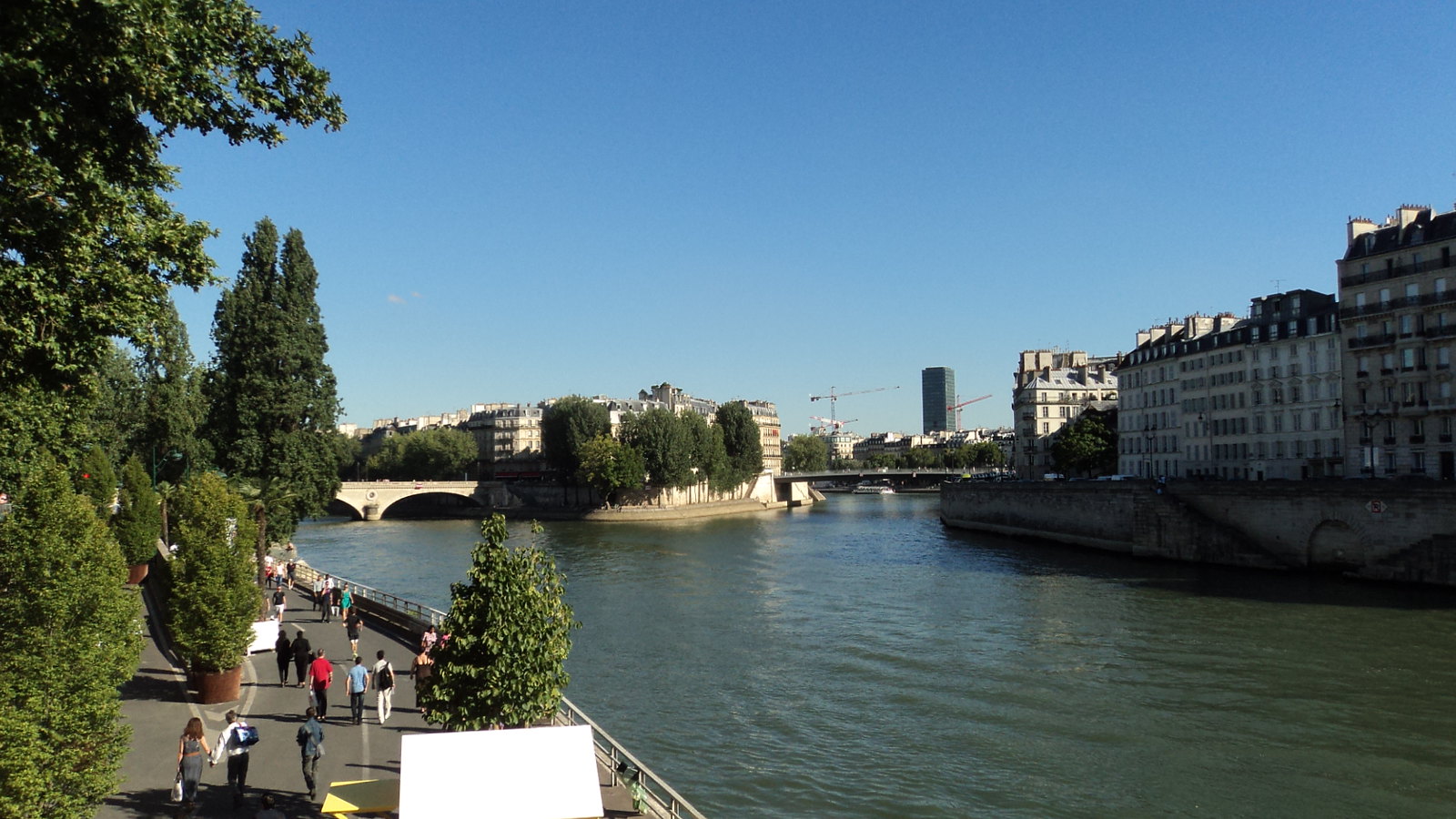
Paris has fewer empty flats than at almost any point in the past two decades. Rental vacancy across the city's inner arrondissements has dropped to roughly 1.5%, according to data published earlier this year by the Observatoire des Loyers de l'Agglomération Parisienne (OLAP), leaving prospective tenants competing against dozens of applicants for a single listing. The practical consequence is stark: a two-room apartment on Rue de la Roquette in the 11th arrondissement is now routinely attracting 30 or more dossiers within 48 hours of going online.
The timing matters. France's central bank, the Banque de France, signalled in its June 2026 quarterly bulletin that borrowing conditions have eased marginally compared with the rate-shock peak of 2023-2024, pushing more Parisians back toward the buy-or-rent calculation. For many, the maths is genuinely uncomfortable in both directions. Average sale prices across the capital remain anchored around €10,000 per square metre, higher in the 6th and 7th arrondissements, where 70-square-metre flats regularly clear €900,000, and mortgage repayments still exceed equivalent rents on a monthly cash-flow basis for most households. Yet the rental market offers little refuge when there is almost nothing available to rent.
Why the Supply Side Has Collapsed
Several forces have converged to hollow out rental stock. The national rent-control framework, the Encadrement des Loyers, now covers all 80 communes of the Grand Paris metropolitan zone following its extension in early 2025. Landlords in the 9th and 10th arrondissements, neighbourhoods that absorbed significant rental investment in the 2010s, have been exiting the long-term market steadily since the rules tightened, converting apartments to short-term tourist lets or selling outright. Airbnb listings in Paris still number in the tens of thousands despite city hall's ongoing enforcement campaign, and each unit pulled from the residential rental pool directly reduces inventory for locals.
At the same time, the Grand Paris Express, the €35 billion metro expansion reshaping the city's outer ring, has supercharged demand in communes like Saint-Denis and Bagneux that were once considered peripheral. New stations have shortened commute times to central Paris to under 20 minutes, and rental demand in those outer zones surged well before supply could respond. Vacancy in Seine-Saint-Denis, historically among the loosest rental markets in Île-de-France, has tightened considerably over the past 18 months.
What Buyers Are Actually Paying, and Whether It's Worth It
For a Parisian household earning the combined median income and looking at a 50-square-metre flat in the 11th arrondissement, monthly rent under encadrement rules typically runs between €1,100 and €1,350, depending on the property's reference category. Buying a comparable flat, call it €480,000 at today's prices, with a 20% deposit at current mortgage rates would produce monthly repayments in the region of €2,000 to €2,200. The gap is wide. But the calculus shifts when you factor in the time cost of finding a flat: agencies such as those clustered around Boulevard Voltaire report that qualifying applicants now wait an average of three to four months before securing a lease.
Social housing provides a theoretical alternative. Paris City Hall administers roughly 230,000 social housing units through Париж Habitat, the city's main social landlord, but the waiting list for a three-room flat in the central arrondissements runs to seven years or more for most applicants. The DALO procedure, the enforceable right-to-housing mechanism established by the 2007 law, can accelerate rehousing for priority cases, but the backlog of unmet DALO decisions in Île-de-France passed 70,000 households earlier this year, according to the Fondation Abbé Pierre's annual report published in February 2026.
For anyone entering the Paris market in the second half of 2026, the practical advice from the city's agents and notaires is consistent: get your dossier in order before you start searching, not after. That means payslips from the last three months, the last two tax returns, and a guarantor, or a subscription to a state-backed guarantee scheme such as Visale, which covers tenants under 30 or those in precarious employment. Properties in the 13th and 19th arrondissements are seeing the fastest turnaround times, with serious offers needed within 24 hours of a viewing. Anyone still hoping the market will soften before they must decide may find themselves waiting a long time in a city that has essentially run out of empty flats.
This article is general information only and is not personal financial or investment advice. Consider your own circumstances and seek licensed professional advice before making financial decisions.