policy
Paris Council Election Spotlight: Community Services and Social Impact Take Center Stage
Candidates in the 2026 Paris municipal election propose varied strategies to bolster local social services affecting thousands of residents.
How we reported this
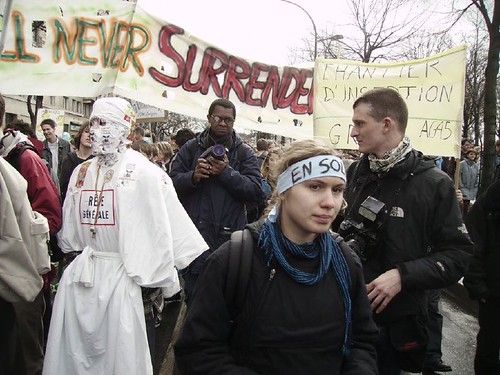
As Paris prepares for its municipal council elections in September 2026, candidates have emphasized community services and their social impact as key campaign issues. The election will determine leadership responsible for managing city programs that serve the capital’s diverse population, particularly vulnerable groups such as the elderly, families with children, and migrants.
This focus on community services comes amid growing demand for social support in Paris. The city’s population was estimated at 2.17 million residents in early 2026, with a notable rise in low-income households documented by INSEE in March. Increased cost of living, housing challenges, and economic uncertainty underscore the importance of effective local social policies in the weeks leading up to the vote.
What Community Services Mean for Local Residents
Many proposals center on expanding access to youth programs, senior care facilities, and affordable childcare. For example, candidates advocate extending hours at local social centres in the 11th, 15th, and 20th arrondissements to better accommodate working families. Some have pledged to increase funding for mobile outreach units that provide medical and psychosocial support in underserved neighbourhoods such as Belleville and Goutte d’Or.
Additionally, enhancing services for migrant support networks features prominently. Candidates highlight the coordination between municipal agencies and non-governmental organisations offering language courses, legal aid, and employment assistance. Since the Paris Prefecture processing over 30,000 residency requests annually, effective integration programs are crucial to local social cohesion.
Funding and Expected Outcomes
The City of Paris budget for 2026 allocates approximately €620 million to social services, representing around 18% of the total municipal spending of €3.44 billion, according to the City Hall’s published financial plan. This funding increase of 4% compared to 2025 aims to address waiting lists for child-care facilities and improve support for isolated elderly citizens living alone in the central arrondissements.
Policy analysts note that investing in preventive care and community-based programmes can reduce long-term costs associated with hospitalisations and social exclusion. The municipal government projects that enhanced youth engagement and expanded eldercare services will improve overall community wellbeing and reduce strain on emergency social services.
With the election less than three months away, candidates’ platforms provide varied approaches to managing these priorities, from strengthening public-private partnerships to advocating for increased national subsidies. Paris residents can expect debates and public forums to increasingly address how social service strategies will impact daily life, job opportunities in care sectors, and the social fabric of neighbourhoods.
Voters will select a 163-member City Council on 13 and 20 September 2026. The elected council will have the mandate to approve budgets and develop policies affecting local services until the next election cycle. For the thousands of Parisians relying on these supports, the outcome will shape the administration of social programs during the crucial post-pandemic recovery period.