Politics
Paris Candidates Clash Over Rent Control and Transport Subsidies
Candidates across the political spectrum are staking positions on rent control, transport subsidies and utility costs ahead of voting in the capital's next local election.
How we reported this
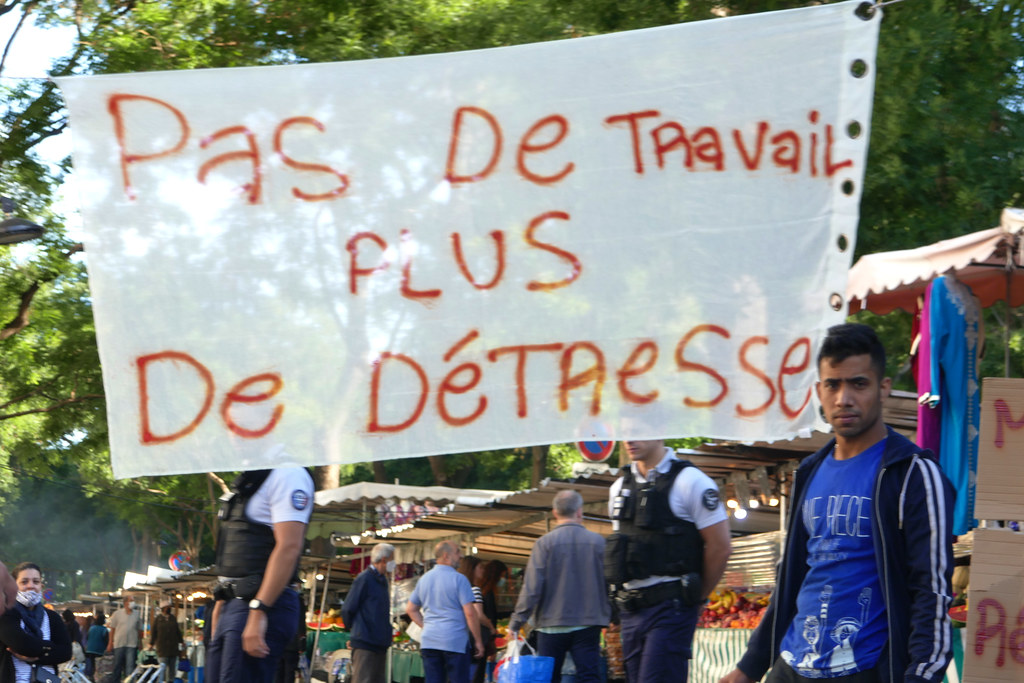
Paris residents will face a choice about their household finances when they cast ballots in the capital's next municipal election. Cost-of-living has emerged as the dominant issue across campaign platforms, with candidates proposing competing solutions to rent inflation, energy bills and transport costs that strain household budgets in one of Europe's most expensive cities.
The focus on household economics reflects the immediate pressures on Parisian families. Average rents in the capital's central arrondissements have climbed to 28 euros per square metre monthly, according to rental market data cited in recent municipal planning documents. Utility costs for heating and electricity have remained volatile, with winter bills for a typical two-bedroom apartment reaching 150 to 200 euros monthly. Public transport fares, set at 17.35 euros for a weekly pass, eat into household budgets for workers commuting across the metropolitan area.
Several candidates and electoral lists have anchored their campaigns to these tangible costs. Proposals circulating in campaign materials include expanded rent-assistance programs for low-income households, municipal subsidies for insulation upgrades to reduce heating bills, and frozen or reduced transport fares for residents over 60 and families with multiple children. One prominent list has called for a municipal fund to cap energy price increases for households earning under 2,500 euros monthly. Another emphasises tax relief for small businesses and shopkeepers, arguing that lower business costs eventually translate to lower consumer prices at local markets and services.
What the data shows
The Île-de-France regional statistics bureau reported in its latest housing survey that 35 percent of Paris renters spend more than 30 percent of household income on rent alone, a threshold researchers identify as financially unsustainable. Energy consumption surveys for the capital show heating accounts for roughly 60 percent of annual utility spending for residents in older buildings, common across many of Paris's 19th and 20th-century housing stock. These figures underscore why municipal policy on housing renovation, insulation standards and utility regulation features so prominently in campaign messaging.
The timing of the electoral focus reflects national policy shifts as well. Recent changes to national housing assistance formulas have reduced support for some Parisian households, making local policy levers-such as municipal housing programs and transport subsidies-more critical to local budgets. Several candidates have committed to reviewing whether the capital can access additional national funding streams or restructure existing municipal budgets to prioritize cost-of-living relief.
Next steps and implementation
The election will determine which policy priorities receive municipal resources for the next term. Once elected, the new municipal council will draft its annual budget and set transport fare levels through the Île-de-France transport authority, where Paris holds significant voting weight. Implementation of housing or energy programs would require matching funds from regional and national sources, meaning that winning candidates must negotiate with France's broader government structure to deliver on campaign promises.
Residents can expect that whoever leads Paris after the election will face immediate pressure to show progress on at least one cost-of-living measure-whether that is a transport fare freeze, an expanded rental assistance program, or a municipal fund for building retrofits. The capital's next municipal leadership will inherit budgets constrained by existing commitments while managing expectations shaped by campaign pledges made directly to voters worried about their monthly bills.