policy
Paris City Council Approves Expanded Short-Term Rental Registry Under National Housing Rules, Matching Lyon and Marseille Requirements
The July 7 vote extends registration and occupancy limits to all 20 arrondissements, directly affecting property owners and hotel operators in central districts.
How we reported this
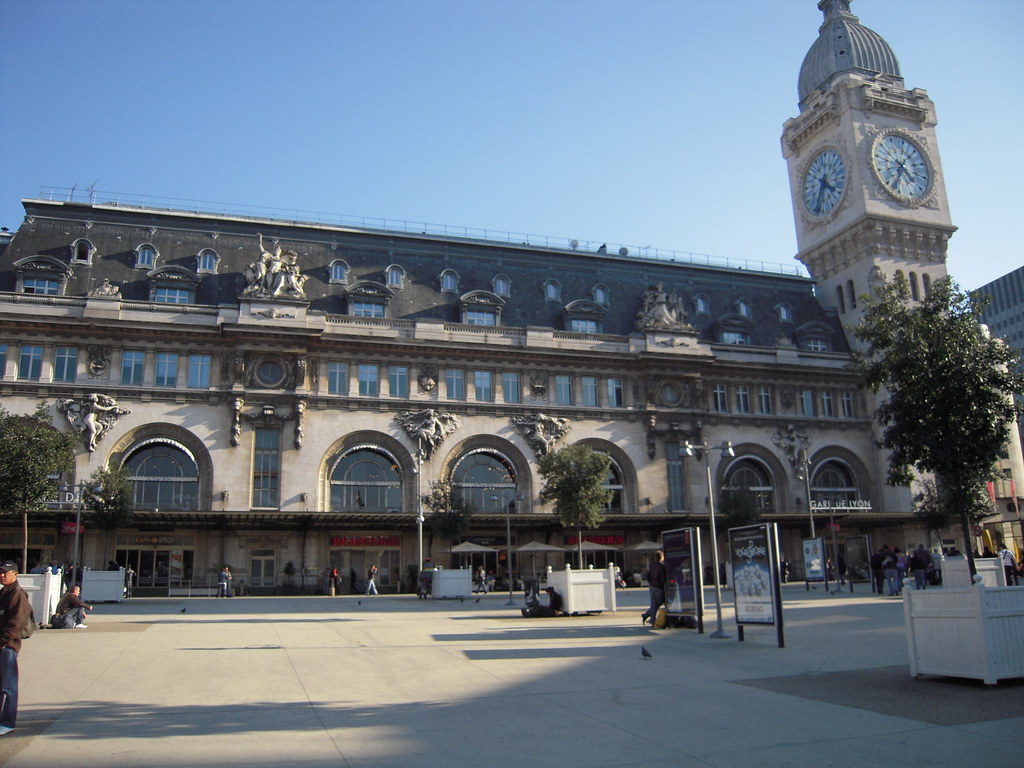
Paris City Council voted on 7 July to expand the short-term rental registry to cover all residential properties listed for fewer than 90 days per year, bringing local rules into line with the requirements already applied in Lyon and Marseille under the national housing framework.
Why the change arrives now
The move follows the 2025 revision of the national housing code that set minimum registration thresholds for municipalities above 50,000 residents. Paris officials processed 18,000 active listings in 2025, according to the council's housing department records, a figure that exceeds the combined totals reported by Bordeaux and Toulouse in the same period.
Residents in the first four arrondissements will see new annual reporting deadlines for hosts, with non-compliance carrying fines starting at 5,000 euros per listing. The registry links directly to the city's property tax database, so owners must declare each platform account by 1 January 2027 or face automatic suspension of rental permits.
Local effects and city comparisons
Property owners in the Marais and Latin Quarter districts now face the same 120-day annual cap already enforced in central Lyon since 2024. Local advocates note that the change will shift some listings toward longer-term leases, which the 2026 budget paper projects will add 2,400 units to the city's regulated rental stock over three years.
City hall staff will begin cross-checking platform data with the national cadastre in September, following the same verification process used by Marseille's housing office. Households seeking permanent rentals may notice more properties entering the standard market, while short-stay visitors will encounter fewer unregistered apartments in high-demand zones.
The government says the policy will generate 1.2 million euros in additional registration fees in its first full year, funds earmarked for the municipal housing inspection team that currently employs 47 officers.