news
Voices from Parisian Communities Reveal Strains on Emergency Services Amid Rising Demand
Residents of the 18th and 20th arrondissements share firsthand experiences with Paris’s stretched emergency response teams.
How we reported this
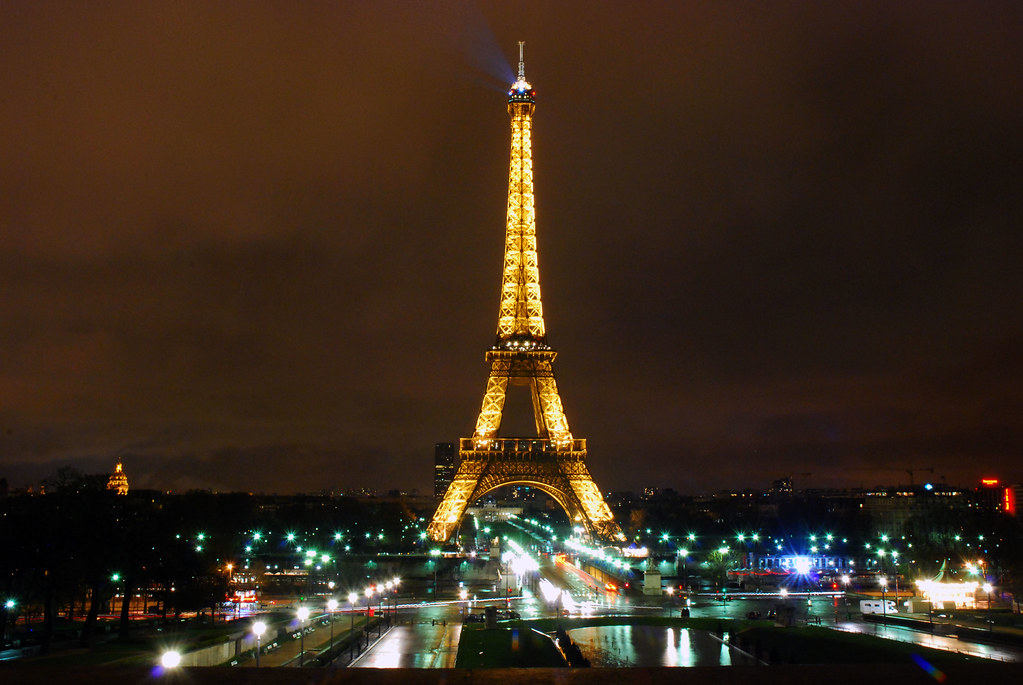
Paris emergency services find themselves under growing pressure as residents in neighborhoods like La Goutte d'Or in the 18th arrondissement and Belleville in the 20th recount challenges in accessing timely medical and fire assistance. Community members describe longer wait times and increased calls for help during summer’s peak demand.
The issue has surged into public attention this month due to multiple heatwave incidents, a spike in emergency calls, and recent high-profile fires in the east of the city. The interplay of urban density, socioeconomic disparity, and summer hazards reveals systemic vulnerabilities in Paris’s emergency response framework.
Community Perspectives from Central Paris
In La Goutte d'Or, where the population includes many low-income families and migrants, local residents have voiced concerns over ambulance delays and inconsistent fire brigade access. "Last week, my neighbor waited over 30 minutes for an ambulance during a heat-related medical emergency," reported a community organizer with the local association Aid18.
Meanwhile, in Belleville, known for its vibrant street life and aging housing stock, residents say the response from the Sapeurs-Pompiers has improved slightly but remains strained. The neighbourhood is under the jurisdiction of the 20th arrondissement station, which saw an 18% rise in call-outs during July compared to the previous summer, according to Paris fire department data.
Evidence Reflecting Systemic Strain
Official figures from the Prefecture de Paris show emergency calls surged by 22% in the first half of 2026, with heatwave-related health incidents and urban fires driving much of the increase. The Paris Sapeurs-Pompiers report that their average response time in central arrondissements has climbed from 8 minutes in 2024 to nearly 12 minutes this year during peak periods.
Simultaneously, fiscal constraints limit recruitment and equipment upgrades. Despite Mayor Anne Hidalgo’s pledge to invest €15 million in emergency services enhancement by 2027 as part of the Seine urban regeneration project, frontline workers report gaps in resources, especially in fast-growing mixed-use areas served by the Grand Paris Express metro.
Emergency call centres located near Gare de Lyon and Boulevard Richard-Lenoir operate 24/7 but endure backlog pressures, frustrating both residents and staff. Community groups advocate for more specialized outreach programs targeting vulnerable populations prone to heat stress and housing-related hazards.
For Parisians concerned by these challenges, municipal officials advise registering with local health centres and using the 112 emergency number proactively. The Prefecture has also initiated workshops in neighborhood halls such as Maison des Associations de Belleville, emphasizing prevention strategies and first-aid training amidst rising climate-related risks.
As summer progresses, continued dialogue between emergency officials and citizens aims to identify practical solutions. Increased transparency on response metrics and expansion of local volunteer networks could be critical steps to ensuring safety across Paris’s diverse and dynamic urban fabric.