news
Paris Launches Property Listing Verification, Leading Europe's Fraud Crackdown
As duplicate and fraudulent images flood rental platforms across Europe, Paris is piloting a verification push that puts it ahead of London and Berlin, but not by much.
How we reported this
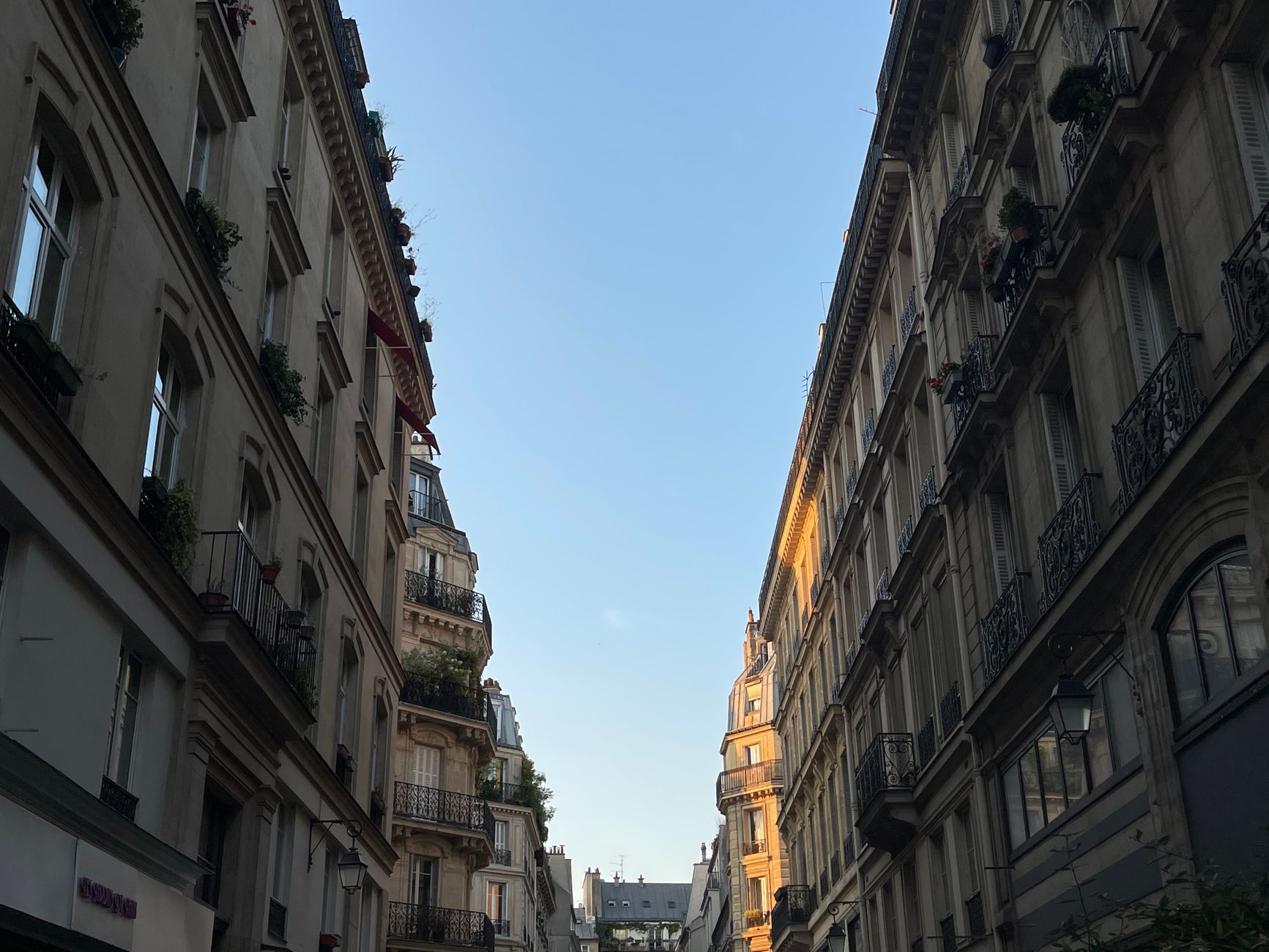
Tens of thousands of rental listings on French platforms carry the same recycled photographs, some of them lifted from legitimate apartments in the 11th arrondissement and reposted to advertise properties that either don't exist or bear no resemblance to what a tenant will find on moving day. That is the scale of the problem Paris housing regulators began formally documenting in late 2025, and the city is now testing tools to fight it.
The stakes are high. Paris recorded more than 4.2 million rental searches per month on platforms including SeLoger and PAP as of the first quarter of 2026, according to industry figures published by the Fédération Nationale de l'Immobilier. With rents in the 10th and 18th arrondissements climbing past €28 per square metre on average for small furnished units, desperate renters are clicking fast and verifying slow, exactly the conditions under which duplicate-image fraud thrives.
What Paris Is Actually Doing
The Direction Régionale et Interdépartementale de l'Hébergement et du Logement, known as DRIHL, has been working since January 2026 with the city's urban data arm, Apur, to cross-reference listing images against a hash-matching database built partly from Paris's open cadastral records. The goal is straightforward: flag listings that reuse the same photograph across multiple addresses, or that use images scraped from expired listings on Le Bon Coin.
The pilot is concentrated in three high-churn districts, the 18th near Barbès, the 20th around Ménilmontant, and stretches of Saint-Denis just north of the Périphérique where Grand Paris Express construction has accelerated displacement. Those are the zones where DRIHL has historically logged the highest density of complaints about misleading advertisements. The programme is not yet mandatory for platforms, which is the part critics say keeps it from having teeth.
Paris's approach tracks a broader European scramble triggered by the EU's Digital Services Act, which came into full force for large platforms in February 2024. The DSA requires major online marketplaces to implement risk-assessment processes for illegal content, and fraudulent property listings, particularly those using duplicated images to support deposit scams, now fall squarely within its scope.
How It Compares to London, Berlin and Amsterdam
London's approach has been fragmented. The Greater London Authority has no centralised image-verification programme. Enforcement falls to individual borough trading standards departments, which are underfunded and focused primarily on Houses in Multiple Occupation licensing rather than digital listing fraud. Rightmove and Zoopla have their own internal moderation, but neither has disclosed the methodology or scale of its duplicate-detection systems publicly.
Berlin moved earlier and more aggressively. The city-state's consumer protection office, the Verbraucherzentrale Berlin, launched a dedicated reporting portal for fake rental listings in March 2025, linked to a state-level database. Landlords in Berlin operating under the city's Mietendeckel-successor regulations must register their properties with the Senatsverwaltung für Stadtentwicklung, which creates a reference dataset against which listing images can theoretically be checked. The registration requirement gives Berlin a structural advantage Paris currently lacks.
Amsterdam sits somewhere between the two. The municipality's Basisregistratie Adressen en Gebouwen, a public buildings and addresses register, is used by housing inspectors but has not been formally integrated with platform moderation as of this writing. Dutch consumer authority ACM has issued warnings to platforms but no fines specifically related to duplicate imagery.
Paris's Apur pilot is voluntary and geographically limited, which makes it more like Amsterdam's cautious posture than Berlin's mandated system. What Paris has that neither Berlin nor Amsterdam yet possesses is a direct legacy link to the Paris 2024 Olympics infrastructure push: the expanded open data pipelines built for visitor-services coordination are now being repurposed for housing transparency, giving DRIHL access to building-level imagery records that predate the current fraud spike.
For renters, the practical advice is unchanged and unglamorous. Before transferring any deposit on a furnished Paris apartment, median asking price for a studio currently around €850 per month in the 13th arrondissement, run the listing photos through a reverse image search, cross-check the address against the city's public land registry at cadastre.gouv.fr, and request a video walkthrough before signing. DRIHL's complaints portal at drihl.ile-de-france.developpement-durable.gouv.fr accepts reports in French and, since April 2026, in English and Arabic. The city wants the data. Use it.