news
Paris Cracks Down on Fake Rental Photos After Years of Deception
A years-long flood of duplicate and misleading property images in Paris's housing market has forced regulators, platforms, and tenants into a reckoning that was a long time coming.
How we reported this
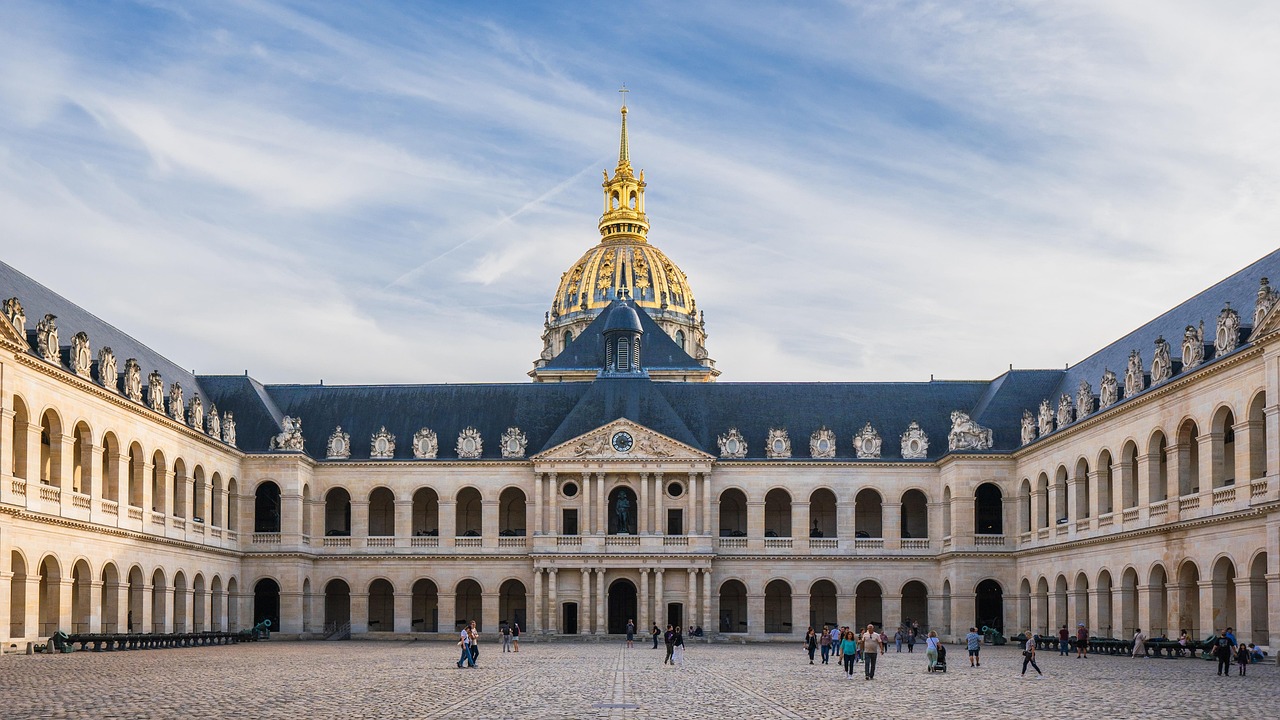
Paris's housing watchdog, the Direction Départementale de la Protection des Populations de Paris (DDPP), confirmed last month that duplicate and recycled property images now appear in a significant share of rental listings on major French platforms, a problem that tenant advocacy groups in the 10th and 11th arrondissements say they have been flagging since at least 2022. The issue, long treated as a minor nuisance, has become a serious consumer protection concern as the city's already strained rental market compresses further.
The timing matters. Paris's post-Olympics hangover, thousands of short-term rental units converted back to the long-term market after Paris 2024, has pushed listing volumes on platforms like Leboncoin and SeLoger to near-record levels. When supply spikes fast, quality control slips. Fraudulent or careless listings that use photographs lifted from other properties, other cities, or even entirely different eras of a building's life have multiplied alongside legitimate ones, making it harder for prospective tenants to trust what they are looking at before signing anything.
A Problem Built Over Years
The roots go back further than the Olympics. Paris introduced its encadrement des loyers, rent control, under the Alur law framework, with the system relaunched in earnest in July 2019 after an initial legal setback. As landlords faced tighter margins, some began listing properties at higher reference rents by misrepresenting their condition or location through selective or stolen imagery. A 2023 report by the tenant union Confédération Nationale du Logement estimated that one in eight Parisian rental listings online contained at least one photograph that could not be independently verified as belonging to the advertised property. The problem was concentrated in inner-ring neighbourhoods, Belleville, Oberkampf, the Canal Saint-Martin corridor, where demand reliably outstrips supply and renters move quickly out of desperation.
Duplicate image replacement, where a platform detects a recycled photo and swaps it out or removes the listing, became standard practice at major real estate portals in the Netherlands and Germany several years before French regulators pushed for equivalent measures. In Paris, the conversation stalled. Platform operators argued their terms of service already prohibited fraudulent imagery. Consumer groups argued enforcement was non-existent. The DDPP lacked the technical tools and staffing to audit listings at scale.
What Shifted the Conversation
Two things changed the political calculation. First, the Grand Paris Express construction displaced thousands of residents from suburbs including Saint-Denis and Aubervilliers from 2021 onwards, pushing additional demand into the central Paris rental market and raising the stakes for every misleading listing. Second, the Observatoire des Loyers de l'Agglomération Parisienne (OLAP) published data in early 2025 showing that average rents in Paris intra-muros had climbed to roughly €27 per square metre per month, a figure that makes every fraudulent listing not a minor irritant but a potential financial catastrophe for the tenant who signs based on false imagery.
The Mairie de Paris's Direction du Logement et de l'Habitat began coordinating with the DDPP and digital economy regulators under the EU's Digital Services Act framework, which came into full effect for large platforms in February 2024. The DSA obliges very large online platforms to address illegal content, including fraudulent commercial listings, with measurable, auditable processes. That gave French authorities new legal leverage they had not previously held over platforms headquartered outside France.
For Paris renters navigating the market right now, the practical upshot is this: before visiting any property listed on a major aggregator, do a reverse image search on every photograph in the listing. The Paris-based tenant support service ADIL 75, which operates a free legal advice line from its offices near the Palais de Justice on the Île de la Cité, recommends requesting a video walkthrough from landlords before paying any deposit. The regulatory machinery is moving, but it moves slowly. Tenants who move fast and skip verification remain the most exposed.