news
Paris Museums Battle Digital Library Crisis From Olympics Digitization Program
A surge in duplicate and corrupted image files is straining the heritage digitisation programmes that emerged from the Paris 2024 Olympics legacy drive.
How we reported this
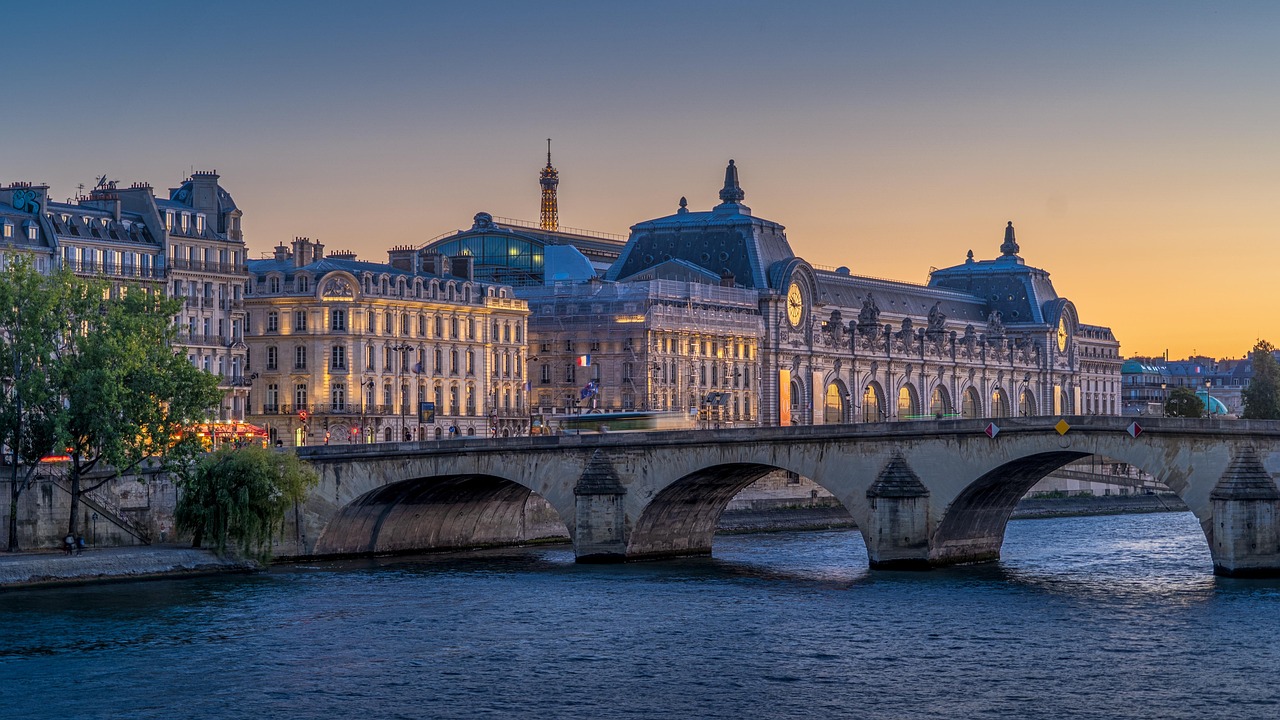
Paris's cultural institutions are scrambling this week after a batch processing error propagated thousands of duplicate image files across the shared digital repository used by at least three of the city's major heritage bodies, disrupting public access to collections and delaying ongoing cataloguing work tied to the post-Olympic legacy programme.
The problem surfaced Monday at the Bibliothèque historique de la Ville de Paris on rue Pavée in the Marais, where archivists noticed that an automated ingestion script had created duplicate entries for roughly 4,200 digitised photographs from the late 19th-century Haussmann renovation archive. By Wednesday, administrators at Paris Musées, the public body that oversees fourteen municipal museums including the Musée Carnavalet on rue de Sévigné, confirmed that the same faulty script had touched records in their shared infrastructure.
Why It Matters Now
The timing is awkward. The City of Paris committed in its 2024 post-Games cultural legacy plan to having 1.2 million digitised heritage items fully accessible online by the end of 2026. That target was already ambitious. Duplicate records inflate file counts, corrupt metadata indexing and, crucially, can cause automated rights-clearance checks to mis-flag images as already processed when they have not been properly catalogued. Every duplicate that has to be manually reviewed and removed is a day of cataloguing work effectively lost.
Digital preservation specialists have warned for years that batch automation in heritage digitisation carries exactly this risk. The Paris municipal programme accelerated its ingestion rate in late 2024 to capitalise on infrastructure investments made for the Games, including fibre upgrades to the city's data centre at Porte de Pantin in the 19th arrondissement. Speed, it turns out, came with a cost.
The Grand Paris Express construction boom has also added urgency: archaeological and architectural survey images generated by Île-de-France Mobilités and partner institutions along the new metro lines are being fed into the same regional repository ecosystem, adding volume and complexity to an already stretched system. Line 15 South alone has produced tens of thousands of site survey images since tunnel boring began, many of which are now sitting in a queue behind the deduplication backlog.
What Technical Teams Are Doing This Week
Paris Musées confirmed on Thursday that it had suspended automated ingestion for all collections pending a full audit. The institution posted a notice on its open-data portal, data.parismusees.paris.fr, informing researchers that metadata downloads for affected collections would be temporarily unavailable. The suspension is expected to last at least until Monday, July 6, though archivists involved in the work say the deduplication audit itself could run for several more weeks.
The Bibliothèque historique has taken a different approach, keeping its public search interface live while flagging duplicate entries with a provisional tag so that researchers can still retrieve one valid version of each image. Staff there have been working through the affected Haussmann-era photograph set manually, cross-referencing against a master inventory held on a separate cold-storage server.
The episode has renewed debate inside City Hall about whether Paris's cultural digitisation strategy needs a dedicated quality-control pipeline before records are admitted to public repositories, a step that would add cost and time but would catch errors before they compound. The 2025 municipal budget allocated €4.2 million to heritage digitisation across Paris Musées and the city archives network; advocates for a more cautious ingestion model argue that a fraction of that sum spent on validation tooling would have prevented this week's disruption.
For researchers and members of the public who rely on these collections, historians working on the Seine urban regeneration projects, architecture students at the École Nationale Supérieure d'Architecture Paris-Belleville on rue Rébeval, genealogists tracing 19th-century Parisian families, the practical advice this week is straightforward: use the Bibliothèque historique's flagged interface if you need access now, and check the Paris Musées open-data portal daily for updates on when full service resumes. Those with urgent requests can contact the Carnavalet documentation service directly, as physical consultation of the original materials remains unaffected by the digital backlog.