lifestyle
Where Paris Dresses Itself: A Neighbourhood Guide to the City's Unwritten Style Code
Parisian style in 2026 is less about trends and more about an attitude of intentional elegance that shifts subtly from the Marais to Saint-Germain-des-Prés.
How we reported this
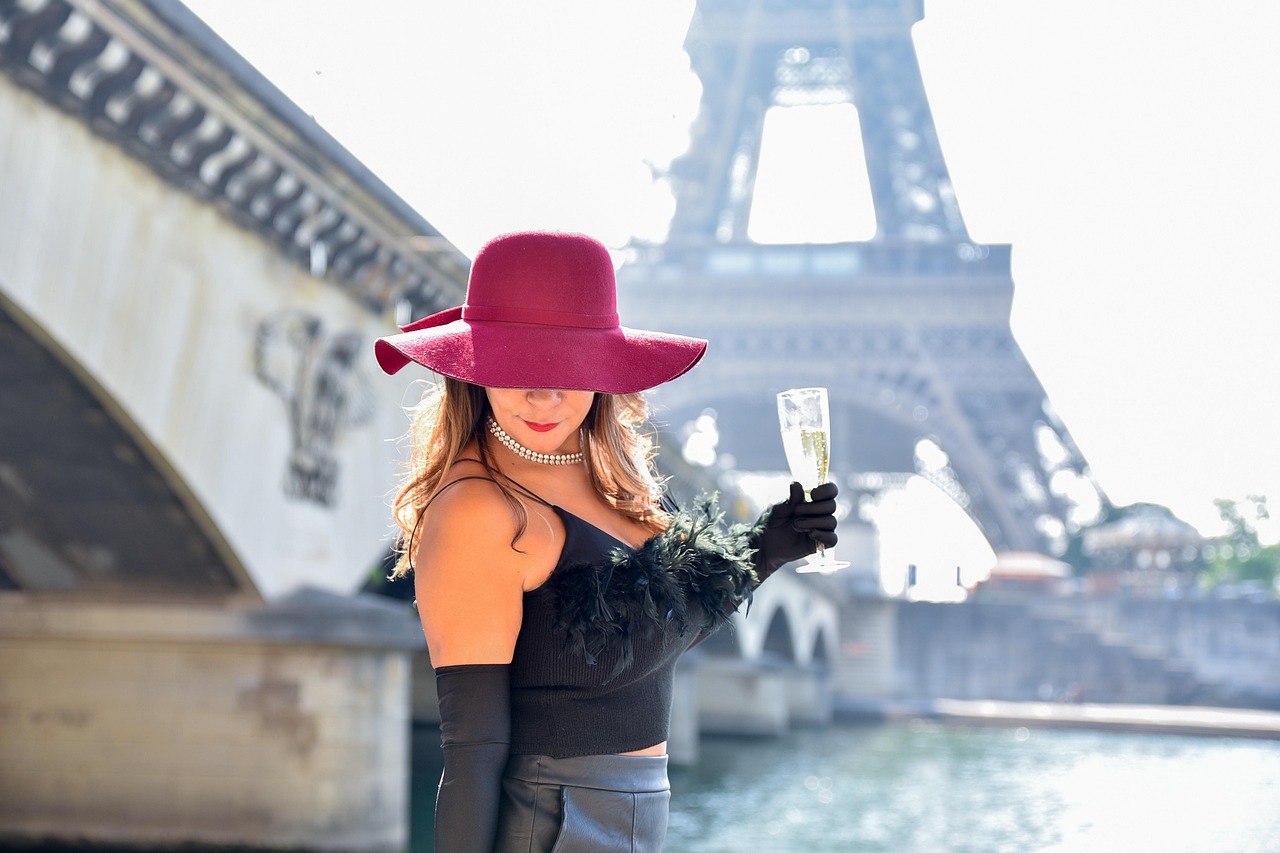
In Paris, fashion has never been about following a single runway dictate. The city’s style is a living language spoken differently in each arrondissement. For summer 2026, that language is unusually clear, though its grammar is dictated by the street, not the couture house. The key looks dominating the city this season-crochet tops, colourful polka dots, tailored vests worn alone, fisherman sandals, and cropped bolero jackets-each tell a story about the neighbourhoods that wear them.
The Marais: Texture and Tension
Wander past the boutiques of the Rue Vieille-du-Temple and you’ll spot the 2026 Marais uniform almost immediately: a matte satin midi skirt paired with a cropped bolero jacket, often in a single tone. The district’s signature is monochrome minimalism that relies on texture rather than loud logos. A liquid silk blouse worn under a tailored vest (worn alone, never as a layer) is the current uniform on the cafe terrasses of the Place des Vosges. Even the men’s style here-typically striped shirts, white sneakers, leather loafers, and jeans in varied colours-has tight to the rigorous, self-aware polish that defines the neighbourhood.
What makes the Marais feel different from other districts is its willingness to mix seasons. A navy pinstripe tailoring piece, which remains a year-round 2026 staple, will be paired with fisherman sandals and a crochet top, creating a look that is simultaneously sharp and relaxed. The effect is carefully unhurried.
Saint-Germain-des-Prés: Quiet Luxury, Loud Brown
Cross the river to the Left Bank and the palette deepens. The café society of Saint-Germain-des-Prés has fully adopted brown and espresso tones as the new black. Here, deep indigo denim is the base, often topped with a volume blouse or an oversized button-down. The women favour cropped jeans and Birkenstocks in neutral leather, but never in a sporty way-the whole effect is one of studied nonchalance. The bag is almost always pearl-embellished or textured leather; statement jewellery is rare, and when it appears, it is pearl jewellery.
This is the neighbourhood where the Parisian insistence on “boring” classics-the relaxed wide-leg denim, the matte satin midi-becomes a kind of quiet rebellion against the streetwear that dominated other global capitals for the past decade. There is no sporty casual set here; that look, according to style guides from Everyday Parisian and multiple 2026 trend sources, is firmly outdated.
What to Avoid (and What to Keep)
Walking the streets of the 6th arrondissement this summer, you will notice what is missing. Vacation florals are almost entirely absent from the local’s wardrobe. Basic tank dresses are also scarce. The sporty casual set-matching hoodie and joggers-has been conspicuously replaced by a sharp, intentional elegance that includes the tailored vest as the go-to top for both men and women.
The Parisian eye has a low tolerance for what it perceives as effort. The rule, which is unwritten but universally followed, is that nothing should look new, expensive, or borrowed from a magazine. The crochet top and fisherman sandals, both summer 2026 pillars, register as approachable. The uniform of the city’s creative class-monochrome minimalism with a single textural flourish-is the surest way to look local.
For the visitor, the lesson is simple. In Paris, fashion is not about what you buy but about where you are seen wearing it. The Marais demands boldness; Saint-Germain demands restraint. Both demand a sense of occasion, even on a Tuesday afternoon.