finance
Paris Traders Weigh a Fractious Global Session as the CAC 40 Holds Its Ground
While Wall Street stumbled and Tokyo slid sharply, the CAC 40's near-flat close offered Paris's small exporters and café-quarter investors a moment of relative calm in an otherwise unsettled global day.
How we reported this
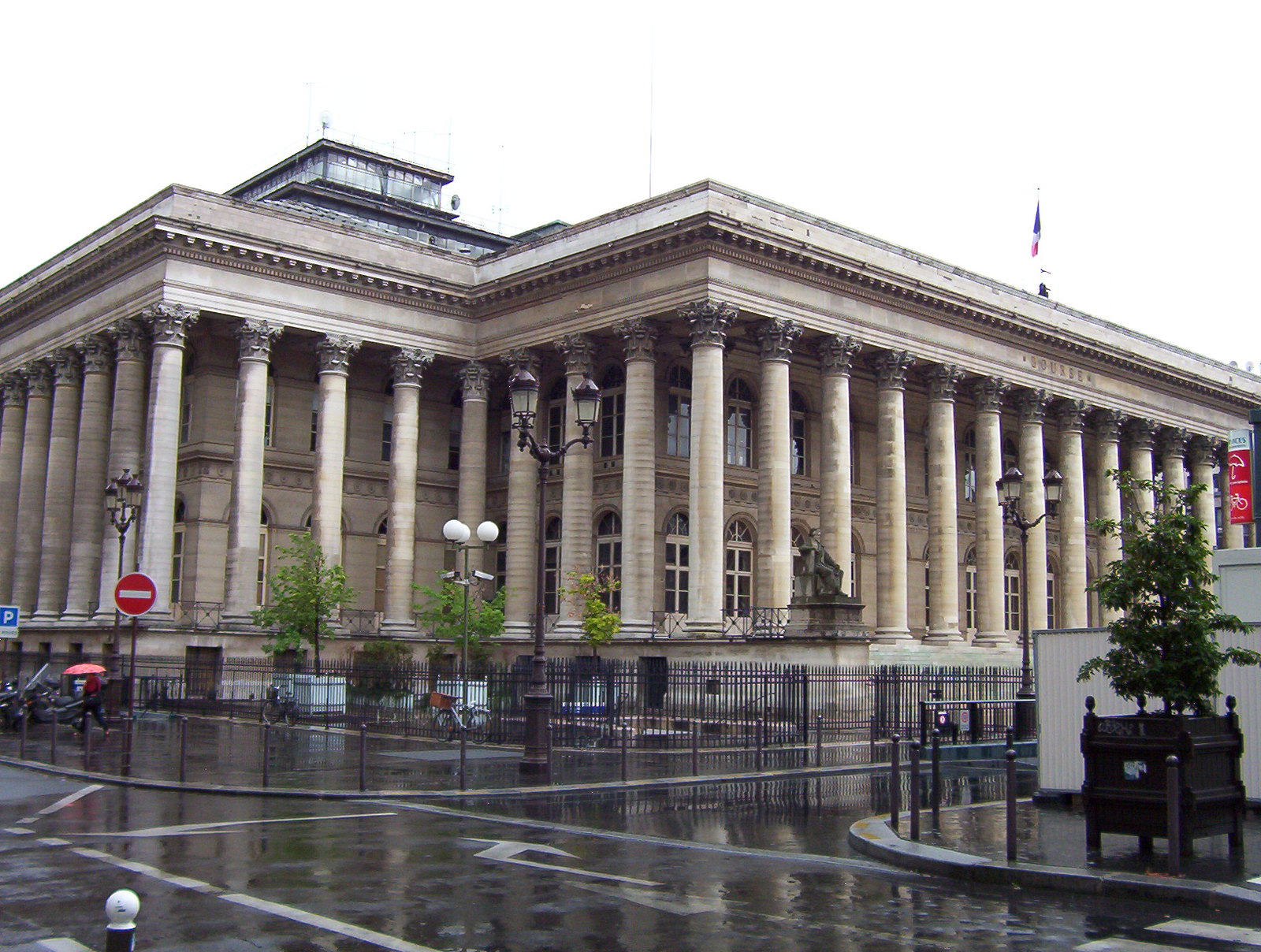
From the wholesale florists of Rungis to the boutique asset managers clustered around the Opéra district, Monday's trading session handed Paris a deceptively quiet headline: the CAC 40 closed at 8,340.11, up a marginal 0.02%, barely a tremor on the screen. For business owners whose revenues touch international supply chains or whose retirement savings sit partly in global equity funds, however, the stillness of that single number masked a day of genuine turbulence elsewhere on the planet.
The clearest signal of that turbulence came from Tokyo. The Nikkei 225 fell 4.03% to 64,141.12, a steep single-session drop that will register in the portfolios of any Parisian fund exposed to Japanese equities and that raises fresh questions about the durability of the rally that has carried Asian stocks higher over the past year. Hong Kong moved in the opposite direction, with the Hang Seng adding 0.54% to reach 25,143.05, a split that underlines how differentiated Asia has become as a single investment thesis. For the import traders around the Sentier district who source textiles and electronics from the region, such divergence makes pricing conversations with suppliers notably more complicated.
Wall Street's Retreat Adds a Transatlantic Chill
Across the Atlantic, American equities handed the session's most consequential losses. The S&P 500 fell 1.06% to 7,453.85, the Dow Jones dropped 1.30% to 51,870.24, and the Nasdaq declined 1.19% to 25,573.04. For the many French technology and luxury-goods companies that derive a significant share of revenues from North American consumers, a softening mood on Wall Street is worth watching carefully, even if the CAC 40 itself barely flinched. Europe's relative resilience on the day, with the DAX slipping only 0.28% to 24,846.69 and the FTSE 100 off 0.45% to 10,524.76, suggests that continental investors are not yet treating the American selloff as a leading indicator of European weakness, but the gap cannot widen indefinitely without prompting a reassessment.
Energy markets offered a counterpoint that will interest anyone running a logistics firm or a bakery with delivery vans: Brent crude rose 1.41% to 89.34 dollars a barrel, while WTI crude climbed 1.24% to 82.79 dollars. Natural gas moved in the other direction, falling 1.82% to 2.858 dollars, a reading that may offer some relief to industrial users but is unlikely to offset the pressure from rising oil prices on fuel-heavy businesses. Copper, often treated as a barometer of industrial confidence, gained 1.21% to 6.341 dollars per pound, a reading that sits in mild tension with the risk-off tone visible in equity markets and suggests commodity traders are pricing in continued demand from manufacturing and infrastructure sectors.
For those tracking safe-haven assets, gold slipped 0.15% to 4,012.80 dollars an ounce, a modest retreat that nonetheless leaves the metal at historically elevated levels. Silver rose 0.85% to 56.805 dollars, while platinum declined 0.81% to 1,599.40 dollars. The mixed picture across precious metals reflects an investor community that is cautious but not yet in full retreat, a posture consistent with the CAC 40's own reluctance to move decisively in either direction.
Digital assets provided the session's more animated storyline. Bitcoin gained 0.63% to 65,096.17 dollars, Ethereum rose 1.27% to 1,895.27 dollars, and Solana advanced 1.45% to 77.46 dollars. XRP posted the strongest move in the group, rising 1.81% to 1.1158 dollars. Dogecoin was the exception, slipping 0.25% to 0.07213 dollars. Parisian fintech operators and the growing community of independent investors who treat crypto as a distinct allocation will note that the asset class moved broadly against the equity grain today, though the correlation between digital assets and broader risk sentiment remains inconsistent enough to resist easy conclusions.
Taken together, the day's figures describe a global market in which Paris found an unusual, if perhaps temporary, position of relative stability. The CAC 40's near-unchanged close is not a verdict on the French economy, nor a reason for complacency among small business owners watching energy costs and export demand simultaneously. It is, rather, a single data point in a session that reminded investors everywhere that calm at home and turbulence abroad can coexist, sometimes for longer than expected, and sometimes not. This article is general information only and does not constitute personal financial or investment advice. Readers should consider their own circumstances and consult a licensed professional before making financial decisions.