culture
Paris Left Bank Transforms From 1920s Salons to 2026 Algorithm
From the radical salons of the 1920s to the algorithmic curation of the 2026 summer season, Paris continues to negotiate its identity between preservation and progress.
How we reported this
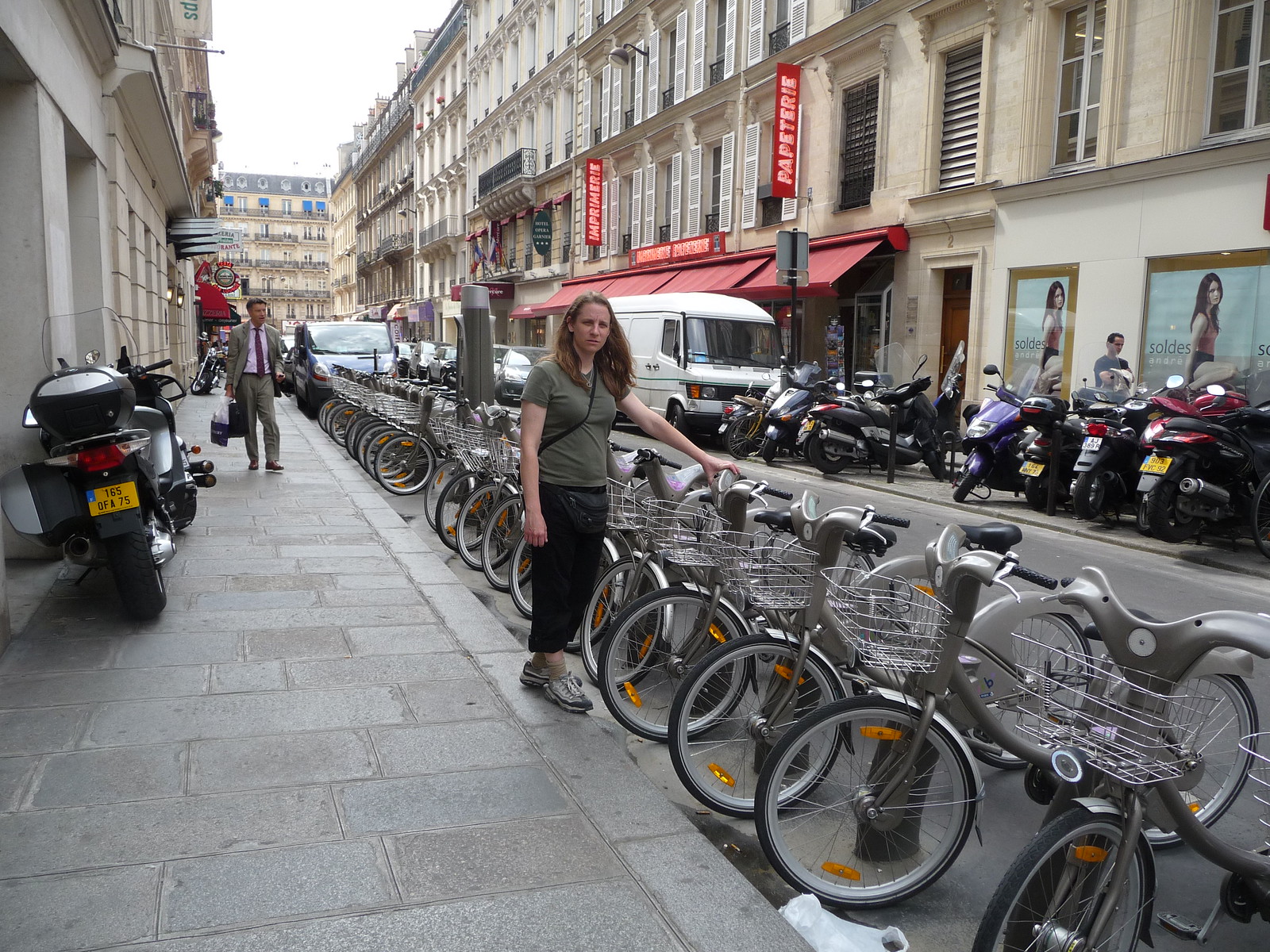
Paris awakens this Saturday, July 5, 2026, to a rhythm dictated by more than just the weekend. As the temperature climbs toward 27°C, the city’s cultural landscape finds itself at a curious crossroads. The cobblestones of the Latin Quarter remain etched with the history of the 20th-century avant-garde, yet the shops surrounding the Place Saint-Germain-des-Prés are increasingly defined by a digital-first economy that favors rapid, highly curated experiences over the long-form leisure of the past.
The shift from literary salons to digital landscapes
For decades, the neighborhood served as the unofficial headquarters for the intellectual elite. Les Deux Magots and Café de Flore on Boulevard Saint-Germain once hosted the likes of Simone de Beauvoir and Jean-Paul Sartre, who shaped the existentialist movement within these walls. Today, the evolution of the local scene is marked by a pivot toward immersive, technology-driven exhibits. At the Centre Pompidou, visitors now interact with AI-generated installations that attempt to map the city’s urban growth since the 1970s, moving the focus from the printed page to the digital archive.
This shift matters because the city is balancing a record-breaking influx of international tourism with the needs of a shrinking permanent resident population in the central arrondissements. According to data provided by the Office du Tourisme de Paris for the first quarter of 2026, the city recorded a 4.2% increase in short-term cultural event bookings compared to the same period in 2025. This uptick underscores the move toward "event-driven" tourism, where the city’s history is packaged into bite-sized, ticketed experiences rather than the organic wandering that defined the post-war era.
Navigating the modern Parisian rhythm
Walking toward the Seine, the transition is visible in the repurposed industrial spaces now dominating the cultural itinerary. Le Centquatre-Paris, located in the 19th arrondissement, continues its trajectory from a former municipal funeral parlor to a center for modern artistic production. As of July 2026, entrance fees for their flagship summer showcase are priced at 12 euros, a standard tier that reflects the rising operational costs of maintaining massive, city-owned cultural venues. Unlike the spontaneous gatherings of the late 1960s, these spaces now require advance digital registration via the city's centralized 'ParisCulture' portal.
If you are planning to navigate the city this afternoon, skip the congested zones of the Rue de Rivoli and head toward the smaller, independent galleries in the Marais. Many of these spaces, such as those lining the Rue Charlot, are currently hosting rotating exhibitions that contrast the city’s ancient architectural bones with contemporary video art. For the most authentic glimpse of this evolution, aim for an early evening slot at these smaller galleries; they represent the last holdouts against the hyper-curated, high-traffic circuit. Reservations are not always strictly enforced, but check the venue’s website before 2:00 PM to ensure availability, as many now cap capacity to manage the summer foot traffic.