culture
Paris Reclaims the Streets: The Community and Movement Driving This Cultural Shift
From the banks of the Seine to the northern quartiers, a collective push for grassroots programming is redefining how Parisians engage with their city.
How we reported this
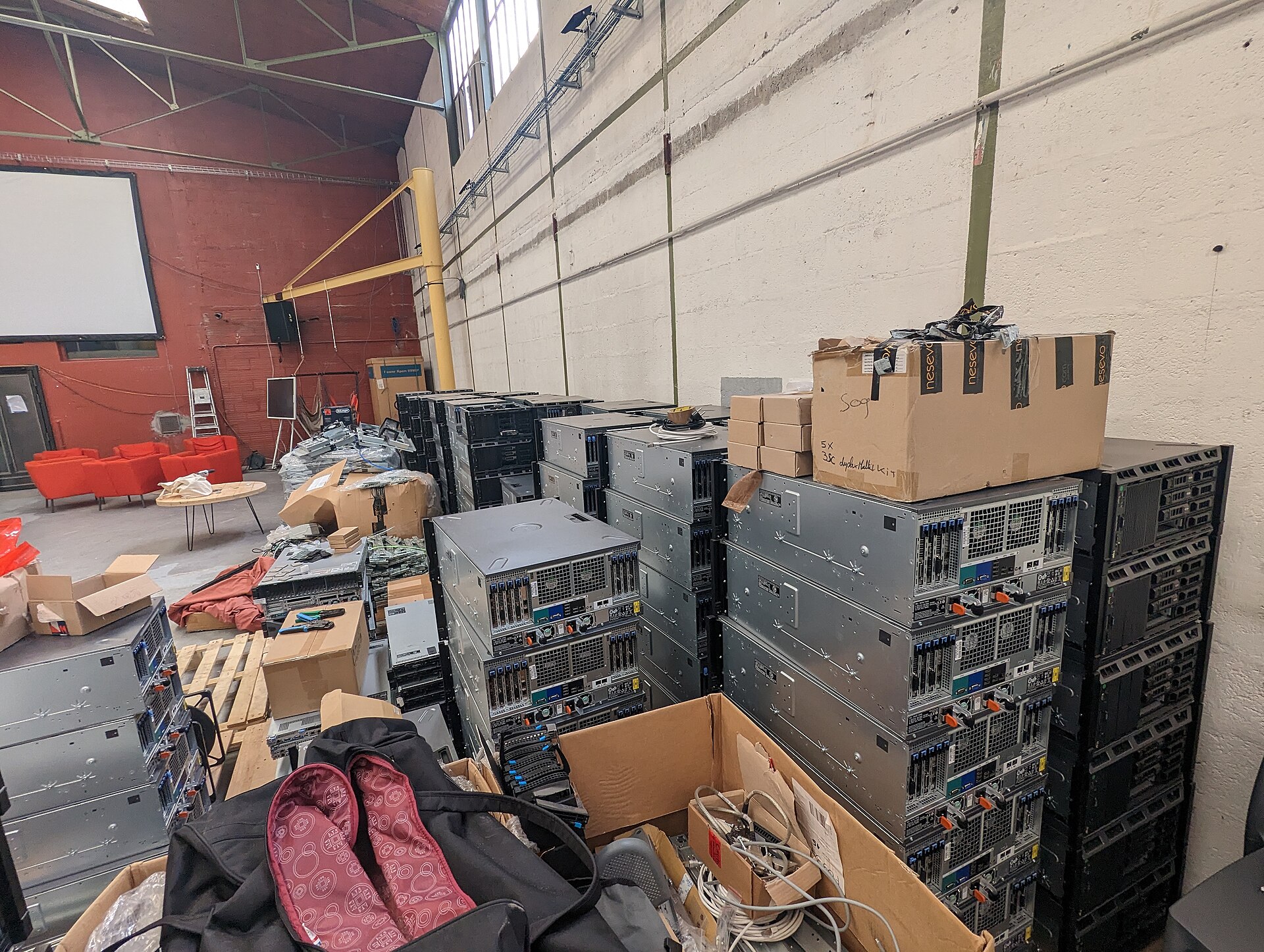
A visible transformation is unfolding across the capital this weekend as local collectives and neighborhood associations seize public space to host independent cultural programming. What began as a series of disparate gatherings has coalesced into a structured movement focused on reclaiming urban environments from traditional, high-cost venues. Across neighborhoods ranging from the 10th arrondissement to the outer reaches of the 19th, residents are organizing pop-up installations and community-led festivals that prioritize accessibility over commercial interests.
This shift reflects a growing desire among Parisians to reshape their immediate surroundings in the face of ongoing city-wide development. The current focus centers on localized autonomy, with groups such as the collective operating out of the Centquatre-Paris in the 18th arrondissement serving as a key hub for these initiatives. By organizing around shared resources rather than waiting for municipal direction, these groups are successfully fostering a renewed sense of civic belonging, particularly in areas that have historically felt detached from the more affluent central districts.
Community-Led Networks and Emerging Spaces
The movement is most palpable in the transformation of disused industrial sites and underutilized riverfront stretches. At the Bassin de la Villette, local arts groups have expanded their weekend residency programs to include collaborative workshops that are free to the public. These efforts are not merely aesthetic; they are logistical interventions meant to decentralize the cultural gravity of the city. For instance, the ongoing series of events hosted in proximity to the Canal Saint-Martin demonstrates a clear move toward rotating locations, ensuring that no single neighborhood bears the weight of the city’s weekend activity.
Data tracked by the Observatoire de la culture suggests that participation in non-traditional, community-managed venues has increased significantly throughout the summer of 2026. According to recent records provided by the Mairie de Paris regarding public space permits, the number of applications for neighborhood-led cultural gatherings submitted during the first half of July 2026 shows a marked increase compared to the previous year. While entry to these events is predominantly free, many local organizers have introduced voluntary contribution models to maintain operations, with many community-run stalls reporting strong engagement from local residents who prefer these informal settings over ticketed institutional exhibitions.
Looking ahead, the momentum suggests that these grassroots initiatives will likely influence permanent city planning policies. Organizations currently involved in the movement, including those coordinating activities along the Rue de Belleville, are now shifting their focus toward negotiating long-term land-use agreements with the municipal council. For those looking to participate, most local programming for this weekend is advertised through bulletin boards located in neighborhood centers or via digital platforms maintained by community councils in each arrondissement. Attendees are encouraged to arrive early, as these self-managed venues often operate with limited capacity to ensure the quality of the interaction remains high.