culture
The Story Behind the Scene and the People Who Created It
As Paris pulses through the peak of summer, a new generation of curators is rethinking the city’s public spaces and historic workshops.
How we reported this
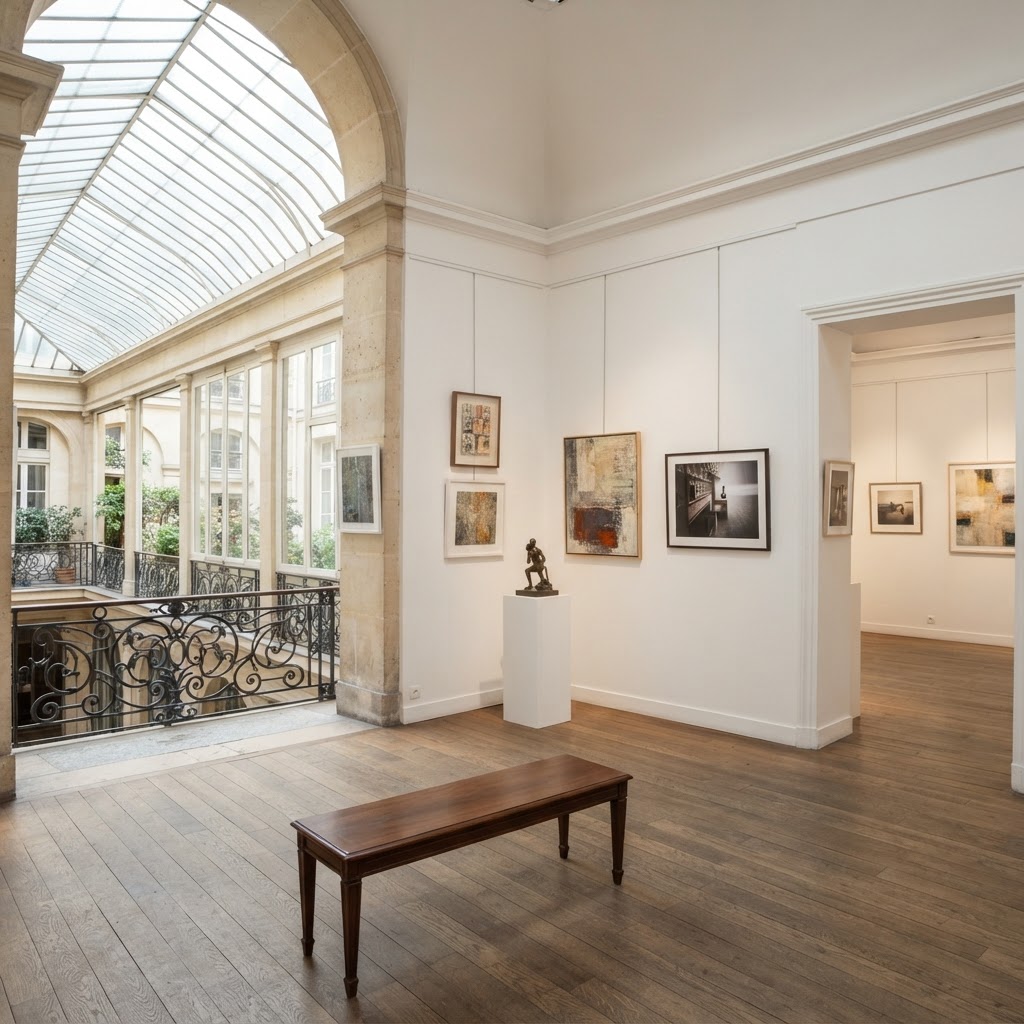
Paris is moving beyond its traditional landmarks this weekend as local cultural collectives turn industrial spaces and forgotten gardens into the city’s most active hubs. From the northern edges of the 18th arrondissement to the historic workshops of the Marais, a concerted effort by independent artisans and urban planners is reshaping how Parisians interact with their environment. The focus has shifted from high-tourism galleries toward community-led initiatives that prioritize adaptive reuse over new construction.
Reclaiming the Industrial Fringe
In the industrial corridors near the Porte de la Chapelle, the non-profit organization Plateau Urbain has been instrumental in bridging the gap between vacant corporate property and local creative enterprise. By securing short-term leases for former manufacturing sites, they provide affordable studio space for artists who have been priced out of central districts. These sites now host weekend markets and rotating public exhibitions, functioning as a primary entry point for residents to engage with emerging sculpture and textile design.
This movement towards community-integrated spaces reflects a broader shift in urban policy in Paris, where authorities have increasingly sought to integrate residential needs with the city’s dense cultural infrastructure. Recent reports from the Mairie de Paris highlight an uptick in the utilization of public-private partnerships to revitalize underused municipal assets. Following the city's strategic urban planning framework, many of these venues are now mandated to host seasonal workshops that are free and accessible to the public, ensuring that the development of these spaces remains a shared experience rather than an exclusive enclave.
The Economics of Craft
The financial viability of these local hubs relies on a model that emphasizes high-volume foot traffic over high-ticket entries. Data provided in recent municipal cultural audits shows that attendance at independent, non-traditional performance spaces has reached levels comparable to the city's established national museums during the mid-summer months. Entry fees to these collaborative exhibitions generally range from modest amounts to free-access tiers for students and local residents. As of July 5, 2026, the city’s Department of Cultural Affairs has confirmed that the number of registered independent collectives managing public space has stabilized, providing a consistent framework for these grassroots organizations to plan their annual programming.
For those looking to experience these shifts firsthand, the upcoming week offers a diverse schedule of activities. The collective operating out of the Halle Pajol in the 18th arrondissement is hosting a series of architecture tours that detail the structural preservation of their facility. Simultaneously, the historic artisanal workshops near the Rue de Turenne in the 3rd arrondissement are opening their doors for public demonstrations. Visitors are encouraged to check the official listings provided by the City of Paris, as many of these pop-up events are limited by space and require advance registration through the official municipal digital portal.