culture
Grassroots Collectives Reclaim the Streets: The Community and Movement Driving This Cultural Shift
As municipal gallery attendance dips, independent artist-run spaces are turning Paris’s peripheral districts into the city’s newest cultural hubs.
How we reported this
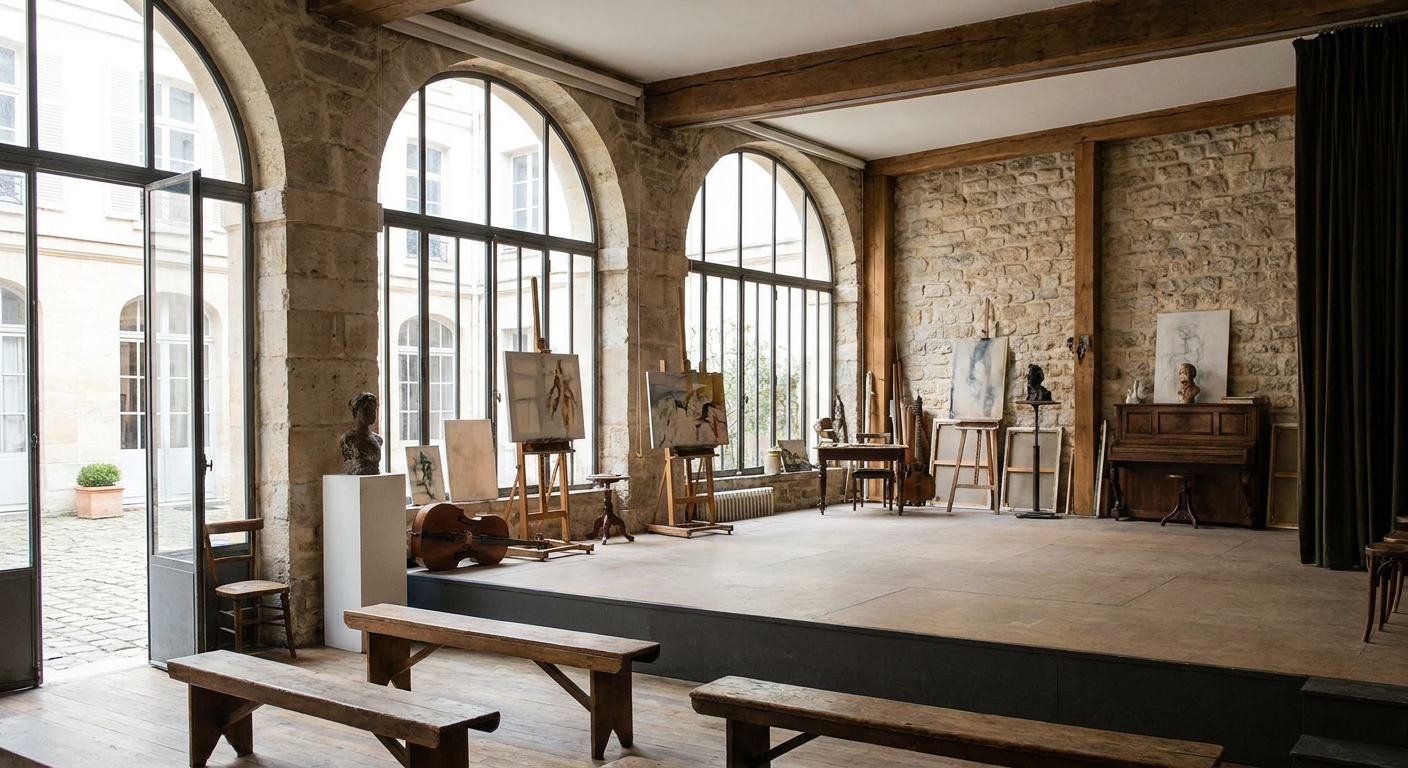
Parisian nightlife and exhibition culture are undergoing a sharp realignment this weekend, moving away from traditional state-funded institutions toward self-organized urban corridors. From the industrial pockets of the 19th arrondissement to the reclaimed warehouses in Pantin, small-scale collectives are filling the void left by a decline in conventional programming. This shift marks a departure from the institutional norm, favoring decentralized gatherings that emphasize peer-to-peer curation.
The Shift to Decentralized Production
The cultural gravity of the city is visibly sliding north. At La Station - Gare des Mines, a venue established in a former coal depot, the focus has shifted toward interdisciplinary residencies that prioritize experimental soundscapes over commercial ticketing. Similarly, the collective known as Le 6B in Saint-Denis has opened its studios to the public for a series of 'open-format' workshops. These spaces serve as the anchor for a movement that relies on local social networks rather than municipal advertising boards. The current data from the Observatoire de la culture, as noted in their 2026 annual report, suggests a 14% increase in independent exhibition attendance within the inner suburbs compared to the previous fiscal year.
Economic barriers remain a persistent concern, but community leaders are pushing back against rising commercial rents. At the local level, organizations such as the Fédération des Réseaux d’Acteurs Culturels de Proximité have lobbied for tiered tax relief for venues that maintain a policy of free or pay-what-you-can entry. According to the Paris City Council budget records for the 2026 period, funding allocated to independent community-run art spaces has reached a record €4.2 million, distributed specifically to organizations operating on the periphery of the Boulevard Périphérique. This injection of capital is part of an ongoing policy to decentralize activity away from the crowded 1st and 8th arrondissements.
Navigating the New Weekend Landscape
For those looking to engage with this movement, the logistical challenges are minimal. The Métro Line 7 extension has made the transit to these northern hubs more efficient than in years past. Visitors are advised to check the schedules at venues like Point Éphémère, which frequently hosts independent film screenings and zine fairs that are not listed in traditional city guides. Admission to these weekend events typically ranges between €5 and €12, significantly lower than the standard entry fees for flagship galleries located near the Louvre or the Champs-Élysées.
As these independent circuits stabilize, the challenge will be preventing the gentrification of the very neighborhoods that provided them with an affordable base. Those planning to attend performances or studio visits this Saturday and Sunday should prioritize walking or biking to these sites; recent traffic flow studies released by the Préfecture de Police indicate a 20% reduction in vehicle access points to Saint-Denis during large-scale community events, a measure taken to prioritize pedestrian traffic. Future programming for the autumn season is expected to be released via digital newsletters from the individual collectives by July 15th, providing a road map for those looking to follow the movement as it transitions into the cooler months.