culture
Paris art scene: emerging talent voices and the next wave to watch
While the institutional masters dominate the Louvre, a new generation of creators is quietly reshaping the city’s creative pulse from the fringes.
How we reported this
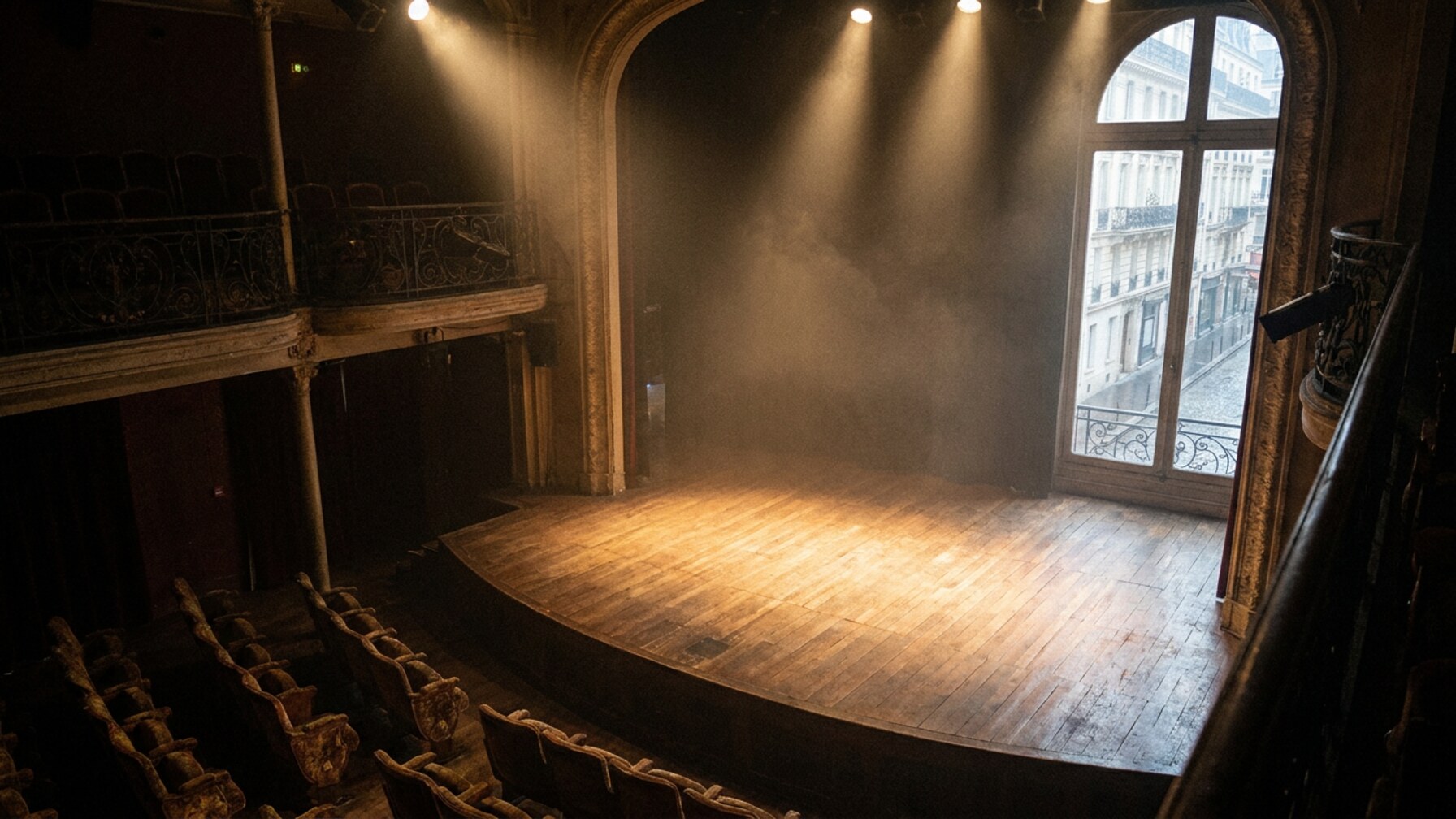
Paris is turning its focus toward the outskirts today as the annual 'Jeune Création' festival shifts its attention to the industrial spaces of the 19th arrondissement. This shift represents a broader pivot in the capital, where traditional gallery models are increasingly bypassed by artist-led collectives seeking lower overheads and greater autonomy.
Mapping the new quartier
The geography of influence in Paris is migrating away from the polished limestone façades of the Right Bank. At the 104 Paris (CENTQUATRE-PARIS) on Rue Curial, visitors today can witness the latest cohort of multi-disciplinary artists working in residence. This facility, originally a municipal funeral parlor, has been repurposed into one of the most active incubator spaces in Europe. Parallel to this, the studios located around Rue de la Fontaine-au-Roi in the 11th arrondissement are seeing a density of young painters and sculptors who are explicitly rejecting the hyper-commercialization seen during the peak of the spring art fair season.
These collectives are responding to a market that has historically favored established signatures. According to the 2026 Cultural Economic Review published by the Mairie de Paris, the number of independent artist-run studios in the northern districts has increased by 14 percent since 2024. This growth trajectory reflects a necessary adaptation as rent costs for central studio spaces have risen by an average of 8 percent annually over the same period, forcing creators to settle in zones previously considered peripheral.
Where to find the next movement
For those interested in the transition of Paris aesthetics, visiting the galleries of the Belleville neighborhood remains the most reliable barometer. Independent spaces like 'Galerie PCP' on Rue de Pali-Kao have curated shows today that focus on digital-analogue hybrids, moving away from the purely conceptual work that defined the early 2020s. Entry to these emerging exhibition spaces is generally free of charge, though some of the more niche, private-viewing studios require booking via their individual websites to manage crowd capacity.
The current climate suggests that the next generation is less interested in the formal hierarchies of the Beaux-Arts traditions. Instead, they are utilizing social-first exhibition models to build audiences before they ever step foot in a traditional auction house. If you are looking for the next wave, watch the graduate showcases at the École nationale supérieure des Arts Décoratifs, where the final thesis projects frequently move into the commercial galleries of the Marais within six to twelve months of completion. For an afternoon itinerary, prioritize the route between the 104 and the independent workshops of Ménilmontant; this remains the primary corridor for spotting genuine, unvarnished innovation before it is absorbed by the city’s major institutional machinery.