culture
Paris Transforms Summer Weekends: From Elite Salons to Democratic Streets
As the city welcomes the July heat, today’s open-air festivals and pop-up markets represent a centuries-long shift from elite, indoor social circles to the democratic public square.
How we reported this
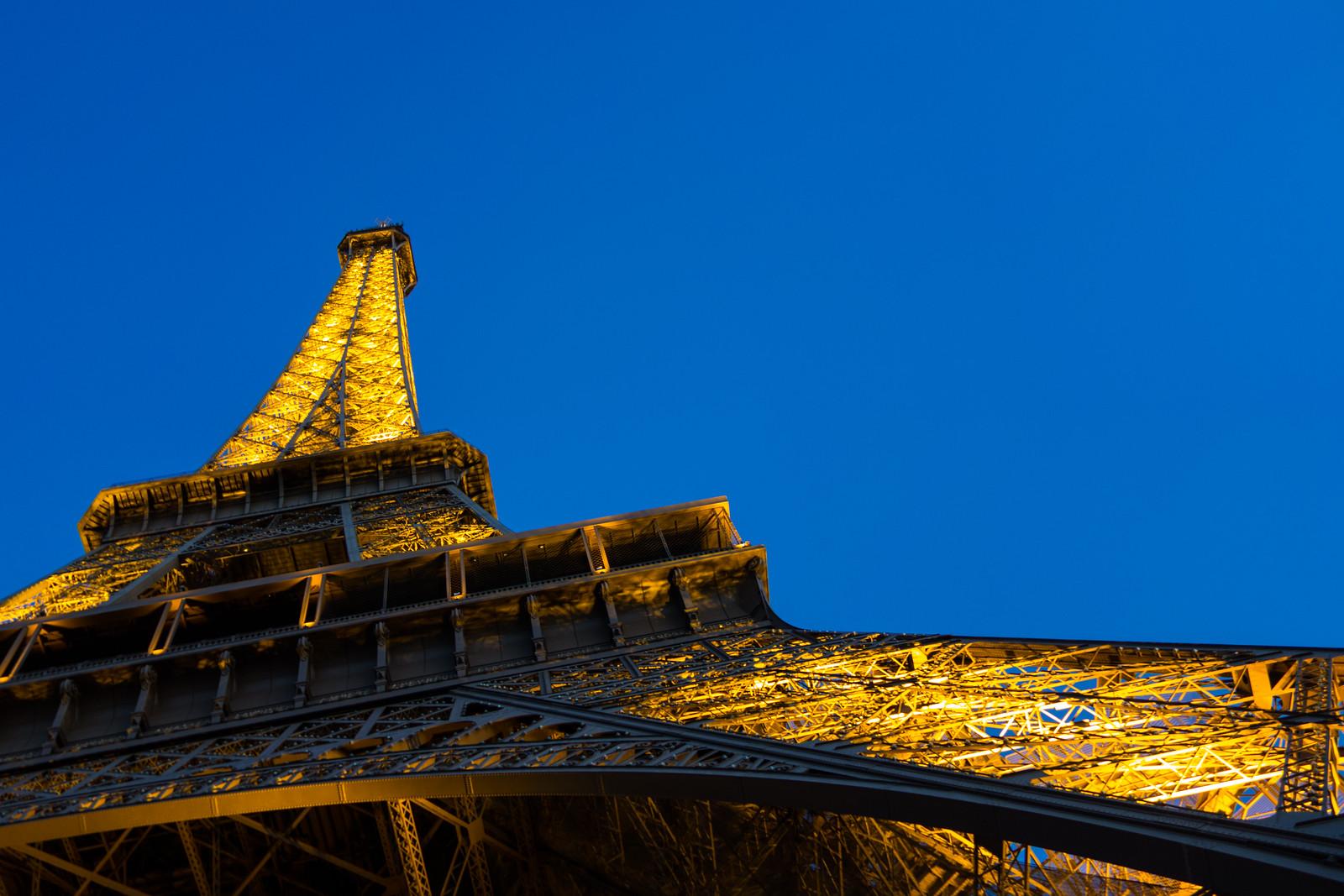
Parisian weekends are defined this July 2026 by a flurry of public activity, from the sprawling open-air concert series at the Parc de la Villette to the pop-up artisanal markets lining the Canal Saint-Martin. What was once the exclusive domain of 18th-century salon culture-private gatherings held in hushed townhouses-has transitioned into a public spectacle that prioritizes accessibility for the city's two million residents.
The Shift to the Public Commons
This evolution traces its roots back to the radical urban planning initiatives of the late 19th century under Baron Haussmann, which aimed to replace cramped medieval alleys with wide boulevards and public gardens like the Bois de Boulogne. These spaces were intentionally designed to serve as the living room for the modern Parisian, moving social life out of the drawing room and onto the sidewalk. Today, institutions like the Centre Pompidou continue this legacy by turning their expansive plazas into de facto community stages, hosting everything from impromptu breakdancing battles to traveling performance art installations that mirror the city's desire to dissolve the barriers between institutional high culture and street-level spontaneity.
Contemporary Costs and Community Access
The transition to public-facing culture now faces the logistical challenge of managing massive crowds while maintaining the historical integrity of the city’s heritage sites. According to the 2026 Paris Tourism and Leisure report, attendance at municipal open-air events has climbed by 12 percent since 2022, with the city budget for public summer programming currently exceeding 45 million euros for the fiscal year. Venues like the historic Arènes de Lutèce-a Roman amphitheater tucked away in the 5th arrondissement-now host ticketed evening jazz sessions where entry fees are strictly regulated at 15 euros to ensure residents are not priced out by the influx of summer visitors.
For those looking to navigate the weekend, the most authentic experience lies in balancing the major ticketed festivals at the Stade de France with the smaller, neighborhood-based initiatives. The city-run 'Paris Respire' program, which closes major thoroughfares like the Rue de Rivoli to motorized traffic, provides the best vantage point for observing this historical arc. Travelers should arrive before 10:00 AM on Sunday to avoid the peak congestion near the Louvre and instead walk toward the Marais, where the local merchant associations often host weekend-long pedestrianization events that mimic the original, intimate scale of the pre-industrial city.