culture
Paris's Summer Cultural Calendar Reflects a City Redefining Itself Beyond Tourism
From experimental theater in the Marais to outdoor cinema on the Seine, this July marks a turning point in how Parisians are reclaiming their own cultural spaces.
How we reported this
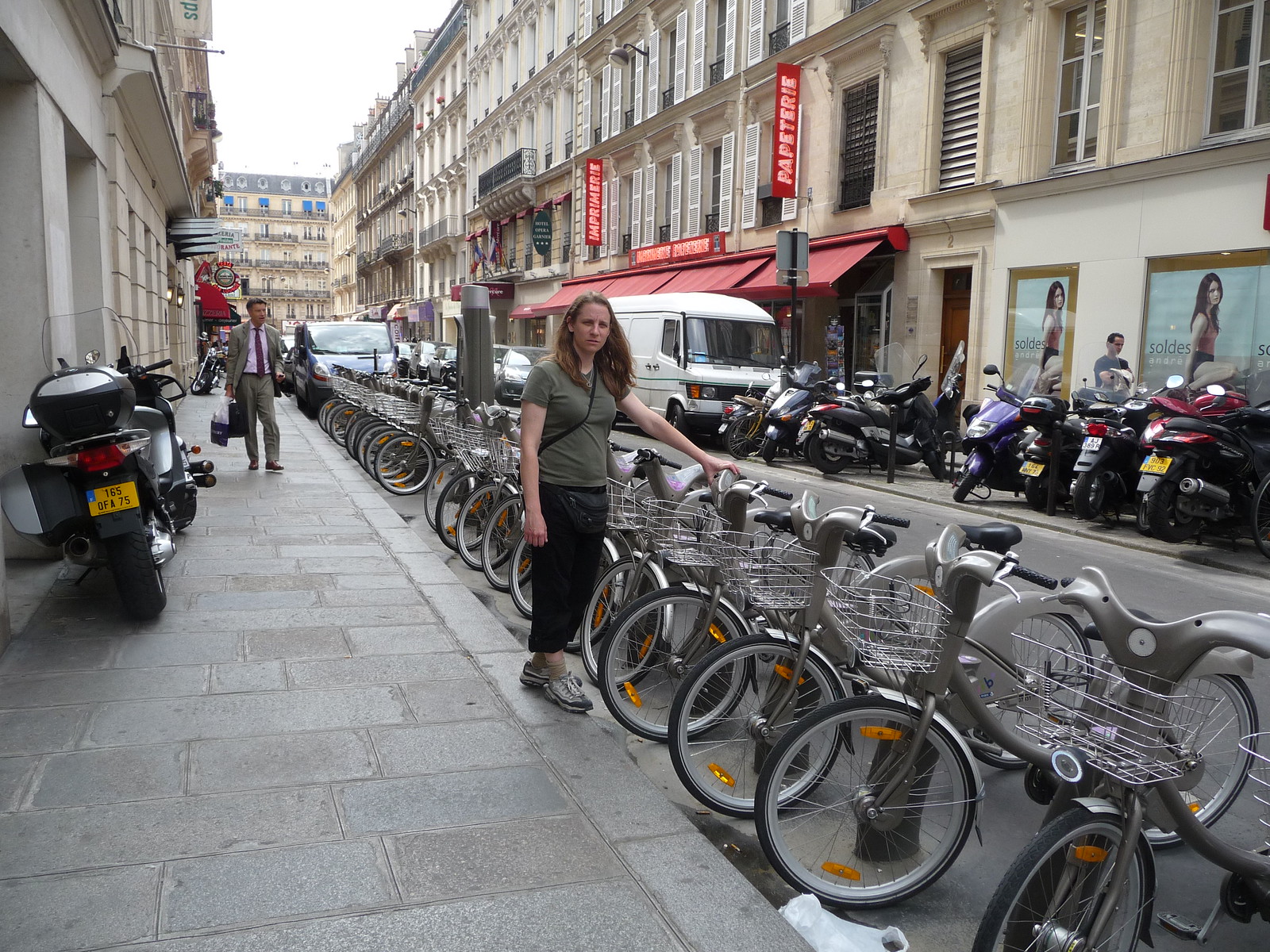
The city's cultural institutions are throwing open their doors to a summer schedule that bears little resemblance to the postcard Paris of previous decades. What's unfolding across neighborhoods from the 11th arrondissement to the Left Bank is a deliberate shift: curators and artists are programming experiences designed first for Parisians, not tour groups.
This matters now because Paris faces a genuine identity crisis. Tourist overcrowding has reshaped the economics and social texture of central neighborhoods. The Marais, historically a creative hub for experimental performance, has spent the last decade becoming a shopping district. The Seine's Left Bank, once defined by bohemian intellectual culture, now draws more selfie sticks than serious readers. City officials and cultural leaders have begun asking publicly what Paris actually is when stripped of its mythology.
The answer, emerging across July's program, centers on accessibility and neighborhood specificity. The Théâtre du Châtelet, located on Place du Châtelet in the 1st arrondissement, is running daily afternoon performances at reduced rates-a 45-minute experimental piece costs 8 euros, aimed at working locals rather than international audiences. Meanwhile, the Centre Pompidou's summer residency program has invited six performance collectives to work in studios in the 3rd arrondissement's less-trafficked eastern edge, creating work intended for 20-person audiences in converted warehouse spaces rather than amphitheaters.
The Musée d'Art Moderne de Paris, which sits on the Seine at Avenue du Président Wilson, has restructured its hours. Rather than the traditional 10 a.m. to 6 p.m. schedule catering to tour groups, it now stays open until 10 p.m. Thursdays through Saturdays. Entry after 7 p.m. costs 10 euros-a deliberate undercutting of commercial leisure pricing. According to the museum's July program notes, this shift came after internal surveys found that 62 percent of Parisian residents hadn't visited in the previous three years, citing inconvenient hours and crowded daytime conditions.
Neighborhood-Driven Programming Takes Root
The 11th arrondissement's cultural calendar offers a clearer picture of this recalibration. The Café Lomi space near Rue de Charonne, typically a coffee shop, hosts curated listening sessions Wednesday evenings where Parisians gather to hear new electronic music commissions. A 90-minute session costs 12 euros and includes a drink. The programmers explicitly avoid marketing outside Paris proper, using only neighborhood Facebook groups and local bulletin boards.
Cinema has followed suit. Open-air screenings at Parc des Buttes-aux-Cailles in the 13th arrondissement run nightly through August, showing French films from the 1970s and contemporary work by emerging directors. Tickets cost 5 euros. The selection skews toward work by filmmakers with direct ties to Paris-a deliberate curation that sidesteps the international festival circuit logic that has driven programming for the last decade.
What This Signals for the City's Future
These are not minor scheduling adjustments. They reflect institutional decisions to trade volume for depth, international prestige for local ownership. The economics are tighter-a 8-euro ticket generates less revenue than a 25-euro one-but the cultural math has shifted. When the city's museums and theaters calculated lost audience members over a decade, they found that Parisians themselves had stopped coming. The current programming represents an attempt to rebuild that relationship.
For anyone in Paris today, the practical takeaway is straightforward: the city's cultural institutions have stopped assuming they're catering primarily to visitors. The Marais's experimental theater circuit, the 5th arrondissement's lecture halls, the Left Bank's smaller galleries-all are programming directly at neighbors. Walk into most venues this month without a reservation and you'll find space. That wasn't true in July 2024.