culture
Inside the Community and Movement Driving Paris’s Cultural Shift
From grassroots initiatives to revitalised venues, Paris’s vibrant cultural revival owes much to local drive and collaboration.
How we reported this
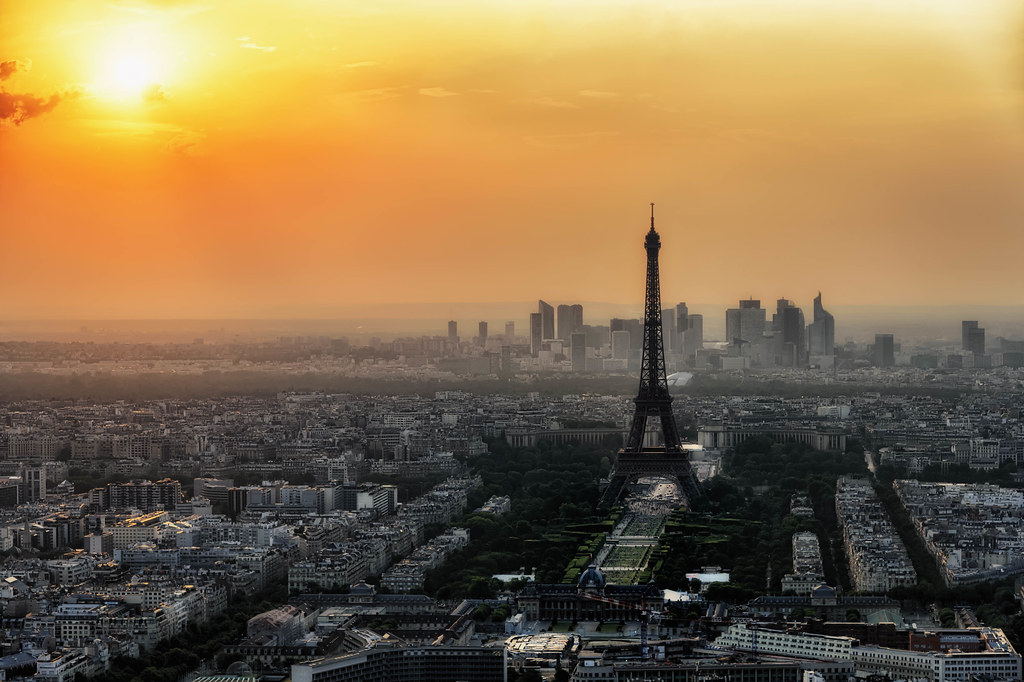
Today, Paris pulses with renewed cultural life, energised by an engaged community and a growing movement committed to reimagining the city’s artistic landscape. This resurgence is not just about headline events or blockbuster exhibitions; it’s the result of grassroots organisation, collaborative spaces, and a shared vision among neighbourhoods eager for cultural diversity and accessibility.
Why the Cultural Momentum Matters Now
The significance of this cultural shift comes in the wake of years where Paris’s artistic heart felt constrained by pandemic closures and rising living costs that pushed creatives away from central arrondissements. Now, as summer 2026 unfolds, there is a palpable drive to foster inclusivity and reclaim public spaces for artistic expression. This is critical for a city where culture underpins social cohesion and economic vitality, with the tourism sector alone accounting for nearly 15% of jobs in the metropolis.
Recent municipal initiatives, combined with social movements advocating for more equitable creative funding and affordable studio spaces, have sparked a fresh wave of neighbourhood-level cultural activations. This revitalisation is seen not only as an economic imperative but as a societal one, responding to shifting demographics and the call for greater representation in Parisian arts.
Local Hubs and Initiatives Leading the Change
In the 11th arrondissement, La Recyclerie at 83 Boulevard Ornano stands out as a beacon of community-driven cultural activity. An adaptive reuse project housed in an old train station, it integrates environmental sustainability with art, hosting workshops, exhibitions, and concerts accessible to diverse audiences. Its monthly "Nuit des Artisans" events showcase local artisanship alongside music and performance, attracting residents across age groups.
Meanwhile, in the Belleville district, the association "Les Nouveaux Ateliers" offers affordable studio spaces to emerging visual artists and provides regular open studios for public engagement. Its recent collaboration with the Mémoires de Belleville project, which documents neighbourhood histories through multimedia installations, exemplifies how cultural production connects local heritage with contemporary practice.
The movement is also supported by contemporary art funders like the Fondation d’entreprise Hermès, which in May 2026 launched a program to sponsor artist collectives focusing on urban reinvention. Their grant cycle prioritises projects fostering community participation and sustainable urban transformations, underlining the priority of socially engaged art in Paris’s cultural evolution.
Numbers Reflecting a Resurgence
According to the Paris Culture and Heritage Directorate's May 2026 report, the number of participatory cultural events in public spaces has increased by 23% compared to the same period in 2025. Attendance at neighbourhood arts festivals such as "Fête des Possibles" held in June across multiple arrondissements saw an estimated 18,000 visitors, with 45% identifying as local residents. Entry fees for many events remain modest; at La Recyclerie, concert tickets average €12, while workshops range from €10 to €25 to promote inclusivity.
Moreover, the Paris municipal budget for culture in 2026 reveals a 12% increase over last year, earmarked in part for supporting independent venues and community-led art projects. This financial backing underscores the recognition that investing at the grassroots level is key to sustaining the city’s cultural vitality.
It is clear that this cultural renaissance is not merely ephemeral but backed by tangible commitments and widespread engagement.
What to Do Next
Visitors and Parisians alike can immerse themselves in this cultural movement by exploring community art hubs and participating in local events. Check schedules at La Recyclerie and Les Nouveaux Ateliers, both of which offer regular guided tours and open houses throughout July. For families, the "Quartier d'été" program provides workshops and performances geared toward children in several parks across the 10th and 20th arrondissements, available free of charge or at minimal cost.
Looking ahead, the upcoming festival "Paris Culture Vivante," slated for September 2026, will highlight cross-sector collaborations and bring together artists, activists, and residents to celebrate and expand this evolving cultural ecology. Staying connected with neighbourhood cultural offices and subscribing to local event newsletters can also offer up-to-date information for those wishing to engage with Paris’s arts scene beyond traditional tourist paths.
Ultimately, this community and movement-driven cultural shift is reshaping Paris not just as a centre of historical grandeur but as a dynamic and inclusive city where art weaves into everyday life.