culture
Paris Transforms Seine Riverbanks From Industrial Docks Into Modern Urban Beaches
From the industrial docks of the Seine to the pedestrianized urban beaches of the 21st century, Paris continues to redefine how its residents interact with the river.
How we reported this
Parisian life finds its rhythm along the Seine today, as the city experiences one of the warmest Saturdays of the season. Thousands of locals and visitors are congregating along the Quai d'Austerlitz and the Parc Rives de Seine, marking a shift in urban usage that has fundamentally altered the capital’s character over the last two decades.
The Transition from Commerce to Leisure
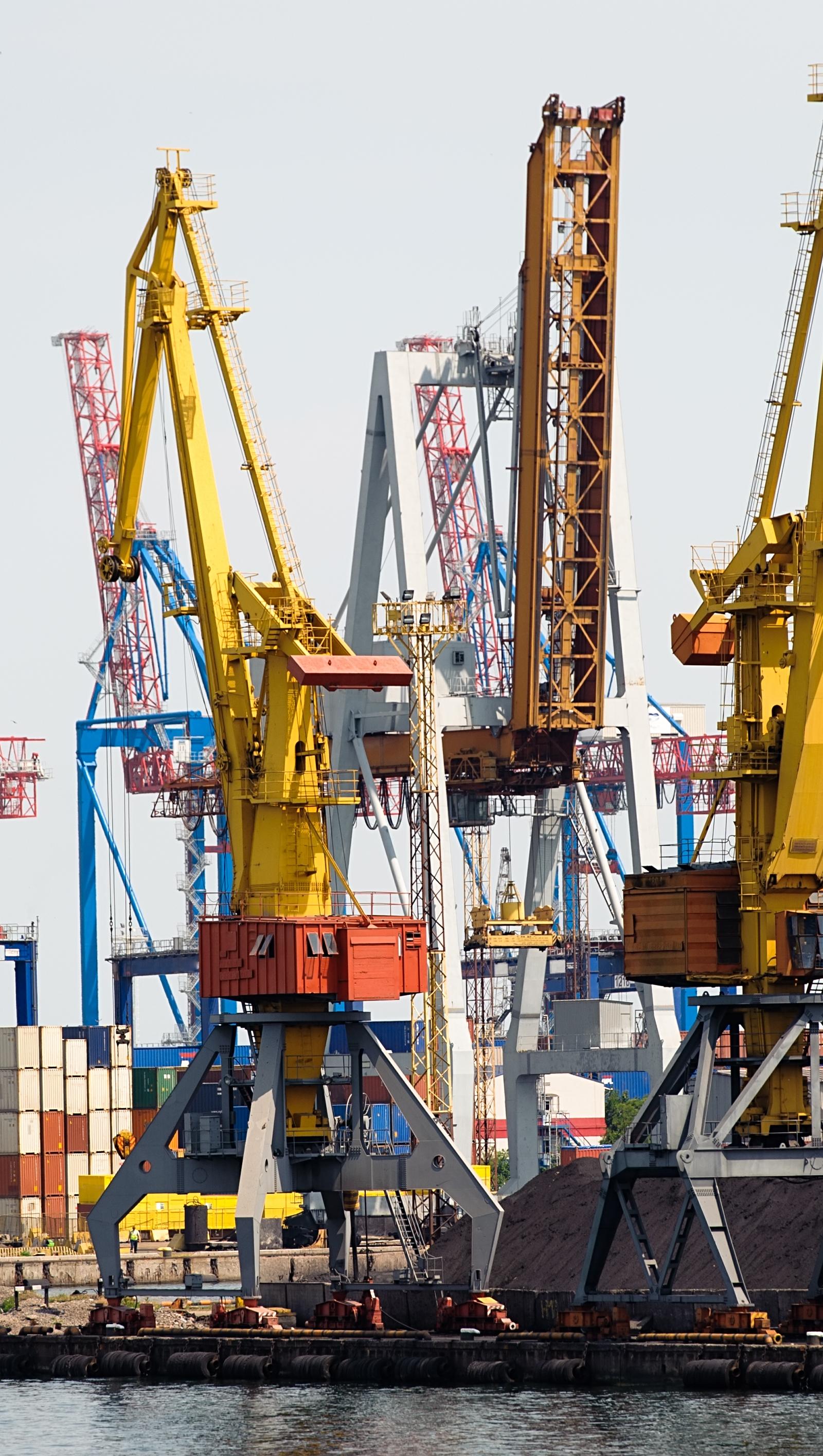
The transformation of these riverbanks serves as a physical record of Paris’s move away from industrial reliance. Historically, the area near the Austerlitz station functioned as a vital hub for the transport of coal and building materials. Today, the same stone embankments host modular gardens, pop-up cafes, and climbing walls. This evolution reached a legislative milestone in 2016 when the Council of Paris finalized the pedestrianization of the Rive Gauche, permanently removing automobile traffic from a major thoroughfare to favor foot traffic and leisure activities.
Cultural institutions have followed this shift toward the water. The Cité de la Mode et du Design, located in the repurposed Docks de Paris on the Quai d'Austerlitz, embodies this trend, blending architecture with the city's modern arts scene. Further downstream, the transformation of the Berges de Seine has turned formerly neglected transit zones into sites for outdoor cinema screenings and communal exercise classes, reflecting a wider European trend toward reclaiming urban waterfronts for public use.
Navigating the Current Waterfront
Public engagement with these spaces is at an all-time high as the city enters the peak of its summer calendar. Data released by the Mairie de Paris indicates that the number of visitors using the riverfront parks has seen consistent growth since the permanent closure of the Georges Pompidou expressway to vehicles. Residents seeking to participate in the local scene can find an array of programming offered by the Paris Plages initiative, which has expanded its reach from the original Hôtel de Ville site to encompass multiple zones along the river and the Bassin de la Villette.
Those planning a visit should note that public transit remains the most efficient way to access the riverbanks, particularly with current pedestrian restrictions in place. The Metro Line 5 and the RER C provide direct access to the most active sections of the Quai d'Austerlitz. For those interested in the historical context of the area, the nearby Jardin des Plantes serves as a contrast, preserving the botanical history of the city while the adjacent banks continue to adapt to the requirements of a modern, pedestrian-focused metropolis.