culture
The Community and Movement Driving This Cultural Shift
Parisian collectives are reclaiming public spaces as the city moves away from traditional gallery circuits and toward grassroots creative independence.
How we reported this
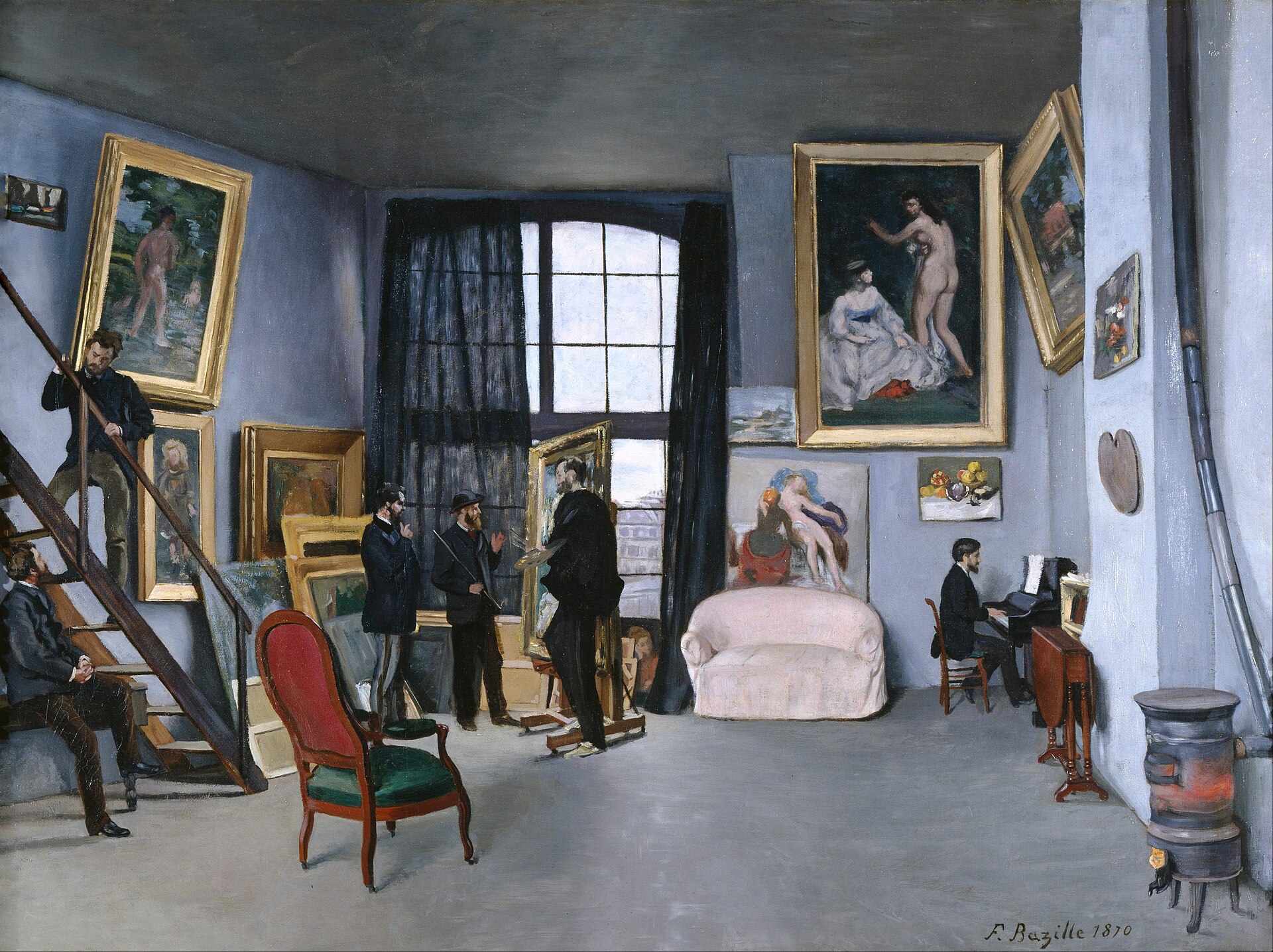
Paris is currently witnessing a pronounced transition in its cultural programming, as independent collectives shift the city's creative output from institutional galleries to decentralized, community-managed hubs. Today, the focus has moved toward public-access workshops and shared workspaces that prioritize collaborative production over the static display of finished goods. Across the 10th and 11th arrondissements, neighbourhood associations are actively repurposing vacant industrial sites to host open-access exhibitions, effectively democratizing access to the city’s artistic infrastructure.
Reclaiming the Street-Level Creative Economy
This movement is grounded in a rejection of the traditional exhibition model that has long defined the Marais and Saint-Germain-des-Prés gallery districts. Instead, groups like Le Shakirail in the 18th arrondissement have turned former railway infrastructure into permanent creative laboratories. By hosting weekly open-door sessions, these collectives ensure that local residents have direct agency in shaping the aesthetic character of their immediate environment. The shift toward these community-led models is a response to the increasing commercial pressure on studio spaces, creating a necessity for horizontal governance structures that protect working artists from rising rents.
The Practical Reality of Paris's Cultural Pivot
The financial viability of this movement rests on new municipal grant frameworks and private-public partnerships designed to stabilize the creative sector. As of July 2026, the City of Paris has intensified its support for the Ateliers de Paris program, providing subsidized studio space for emerging practitioners who commit to local community engagement projects. Data from the city's culture department indicates that these grassroots initiatives now account for a significant portion of weekend programming, with visitor numbers at community-run cultural hubs rising during the summer months. For those looking to engage with this movement, the Centquatre-Paris remains a primary access point, offering a blend of public rehearsals and collaborative workshops that serve as a blueprint for the city's ongoing cultural transformation.
Visitors and residents interested in participating in these shifts should monitor the public listings for the Plateau-de-la-Ville initiative, which coordinates a series of weekend workshops across diverse neighbourhoods. These events provide a direct look at the works-in-progress that define the current Parisian aesthetic. As these collectives solidify their presence in the urban landscape, the focus for the remainder of the year will be on establishing permanent legal protections for these reclaimed sites, ensuring that the movement remains rooted in the city's local identity.