culture
Marais District Transforms: Paris' Aristocratic Mansions Become Modern Retail Hub
From aristocratic mansions to the epicenter of modern Parisian retail, the evolution of the Marais district reflects the changing pulse of the capital.
How we reported this
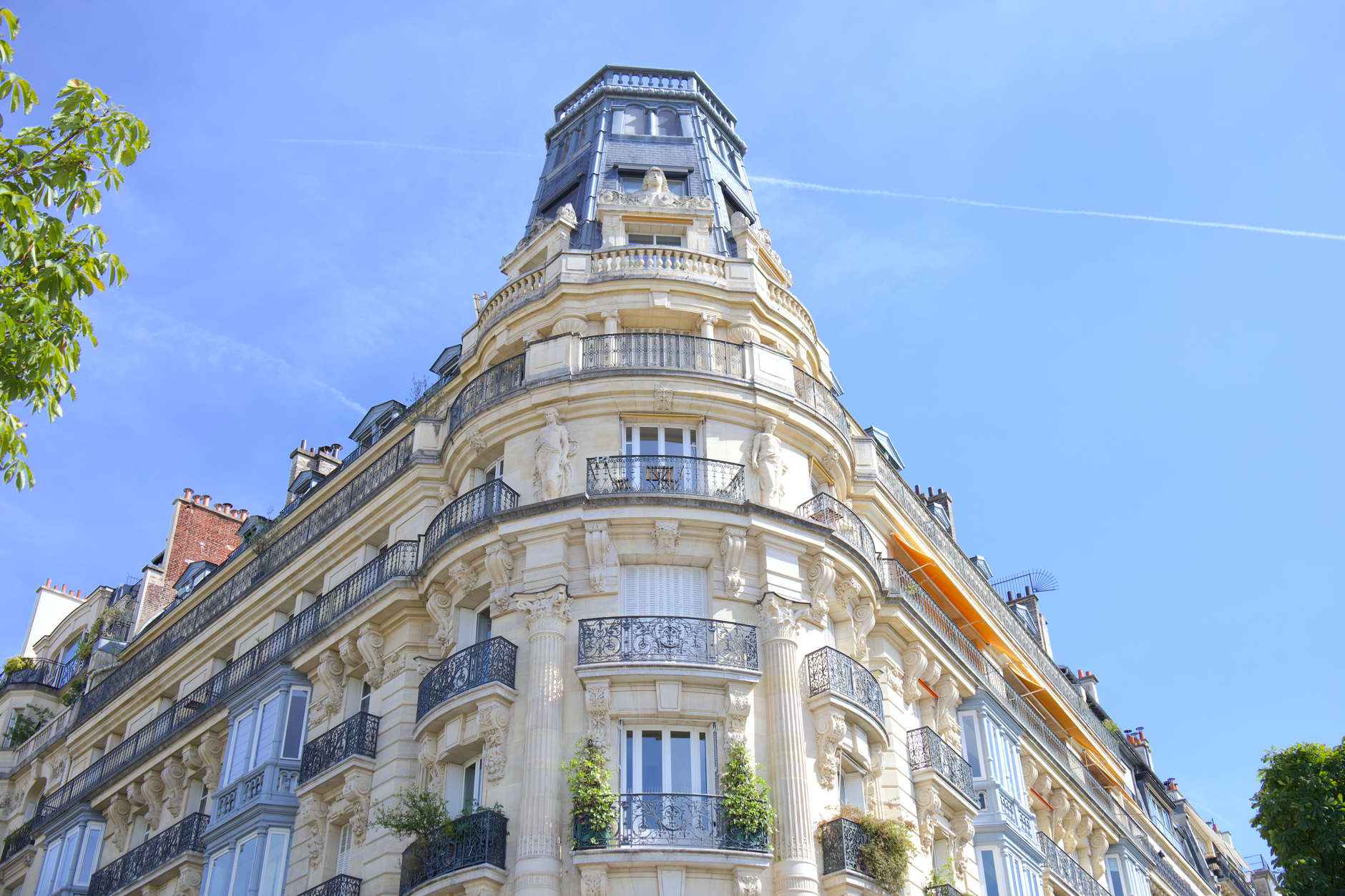
Parisian life on July 5, 2026, finds the Marais district acting as the definitive barometer for the city’s cultural shift. Tourists and locals alike are currently navigating the cobblestone veins of the 3rd and 4th arrondissements, where the medieval street layout collides with 21st-century luxury commerce. The quartier, once neglected and slated for demolition in the mid-20th century, stands today as the most potent example of how historic preservation can catalyze modern urban development.
The Transition from Aristocracy to Avant-Garde
The history of the Marais is a cycle of abandonment and sudden reinvention. Before the 1960s, these streets-specifically around Rue des Francs-Bourgeois-were largely characterized by dilapidated workshops and decaying private hotels. The turning point came with the 1962 Malraux Law, which designated the neighborhood as a protected sector. This legislative move saved architectural marvels like the Hôtel de Soubise from urban renewal projects that had stripped character from other parts of the city. Today, the area has shifted from a center of artisan manufacturing to a global flagship destination for retail brands, displacing many of the smaller trades that defined the post-war era.
Visitors wandering near the Place des Vosges now encounter a density of high-end boutiques that would have been unimaginable forty years ago. The evolution is evidenced by the fluctuating real estate premiums in the sector. According to 2026 property market reporting by the Chamber of Notaries of Paris, the average price per square meter in the 4th arrondissement has climbed to approximately €16,500, a significant increase from the city-wide averages recorded at the start of the decade. This financial pressure has fundamentally altered the demographic makeup of the quartier, trading the neighborhood’s historic bohemian identity for an international consumer base.
Navigating the Current Cultural Landscape
For those looking to engage with the district today, the Musée Carnavalet remains the primary site for understanding this historical trajectory. The museum, which reopened after a massive renovation in 2021, currently hosts permanent collections that track Paris from its pre-Roman origins to the present. Admission to the permanent collection remains free, as part of the city’s ongoing commitment to cultural accessibility. Adjacent to this, the Centre Pompidou, just a short walk away, continues to serve as the structural anchor of the area's modern history. Since its controversial opening in 1977, the building has forced a dialogue between high-tech architecture and the traditional Haussmann-era surroundings.
As the sun sets on this Saturday in July, the activity shifts toward the street-side bistros on Rue de Bretagne. Navigating the scene requires a balance of historical appreciation and an acceptance of its modern, commercial reality. Future visitors are advised that the most authentic way to witness the evolution of the Marais is to step away from the major commercial arteries and focus on the hidden courtyards that have resisted commercial takeover. Checking the official Paris tourist board website, Parisjetaime.com, for temporary exhibition schedules is recommended, as many of the smaller private galleries in the area only operate by appointment during the summer months.