culture
From Salon to Street: The History and Evolution of the Paris Summer Festival Scene
As the city welcomes a new weekend of programming, we look at how the capital shifted its cultural heartbeat from the elite enclaves of the Left Bank to the open-air stages of the 19th and 20th arrondissements.
How we reported this
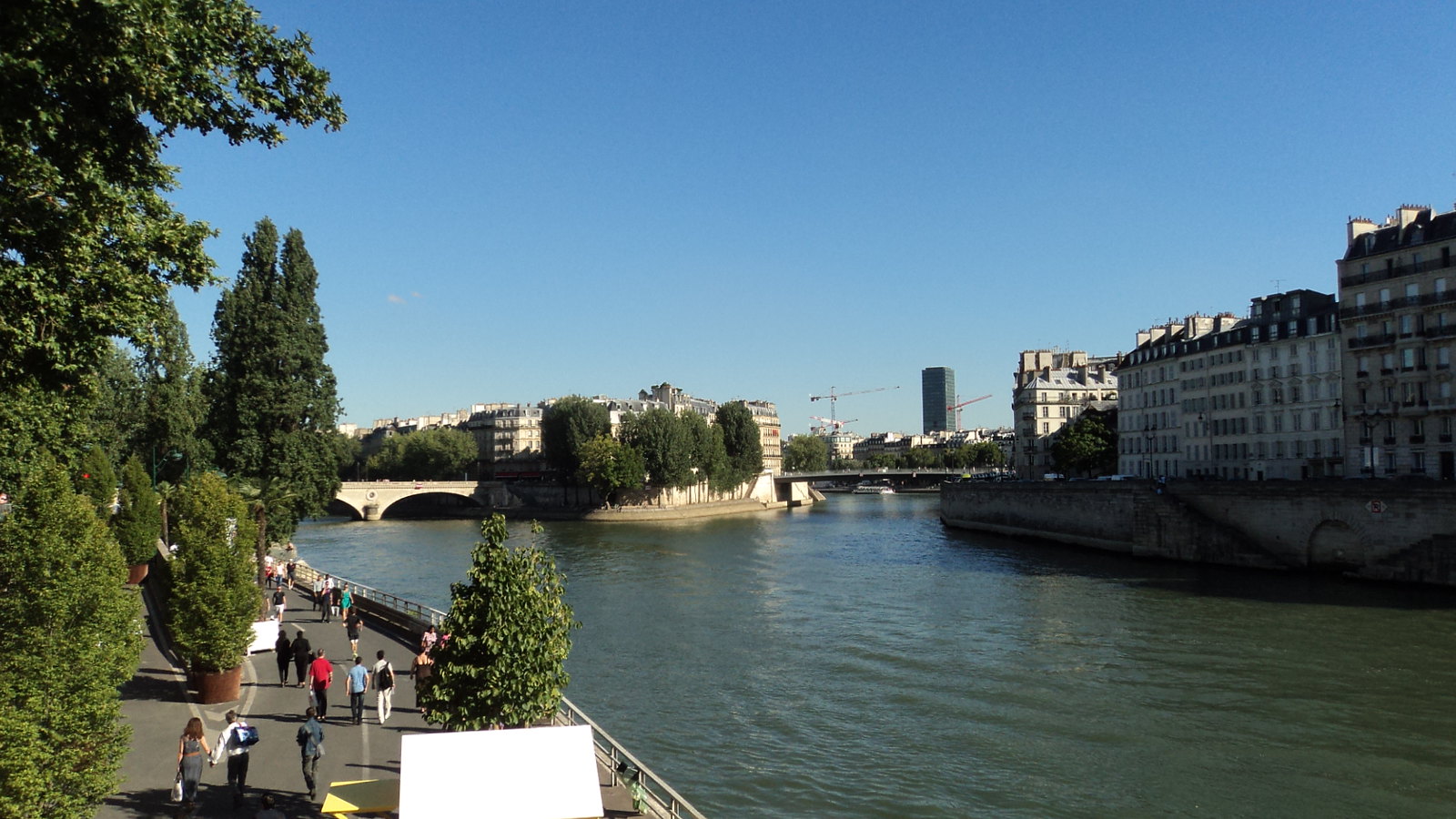
Parisian life this weekend centers on the Quartier d’Été festival, which kicks off its season across the city’s public parks and squares. While crowds gather today in the Jardin du Palais-Royal, the spectacle marks a centuries-long departure from the rigid, aristocratic salon culture that defined the French capital through the 18th century.
The current festival structure matters because it reflects a broader democratic shift in how the city consumes art. Where once performance was restricted to the Opéra Garnier or private estates in the Marais, today’s programming prioritizes accessibility, converting everyday urban transit corridors and neighborhood squares into temporary theaters for contemporary dance and circus arts.
Tracing the Shift to Public Space
The transformation of this local scene accelerated significantly after the founding of the Centre National de la Danse in Pantin in 1998, which decentralized the influence previously held by the Ministry of Culture’s downtown outposts. Historical documents from the municipal archives indicate that the push to bring performance to the periphery-specifically into the underserved spaces of the 19th arrondissement near the Parc de la Villette-was intended to bridge the gap between traditional state-subsidized high art and the diverse, multicultural demographics of modern Paris. This evolution has seen once-neglected industrial sites transformed into cultural hubs, mirroring the rise of the Philharmonie de Paris, which now acts as a geographic anchor for northern districts.
Data from the Paris Tourist Office reveals that festival attendance in public parks has increased by roughly 12% over the last five years, even as ticketed venue prices for international galas have climbed. Entry to the bulk of the weekend’s outdoor events remains free for the public, supported by a 2026 city budget allocation that prioritizes social cohesion through the arts. Historical records confirm that as recently as 2005, the city hosted fewer than 15 major open-air summer stages; today, that number has surged to over 40 distinct sites spanning from the Bois de Vincennes in the east to the André Citroën park in the west.
For those navigating the city this weekend, the best strategy is to avoid the metro lines serving the central tourist districts and opt for the RER B, which provides easier access to the outdoor stages currently active in the northern fringes. Check the official Paris.fr events portal for the most recent updates on performance times, as inclement weather often forces spontaneous rescheduling of outdoor sets. Expect the heaviest foot traffic near the Canal de l’Ourcq, where temporary stages will remain operational until sunset on Sunday.