culture
Paris Neighborhoods Transform Into Creative Hubs Beyond Grand Boulevards
As Paris moves beyond the traditional grand boulevards, local arts programming and grassroots venues are remapping the identity of the French capital this weekend.
How we reported this
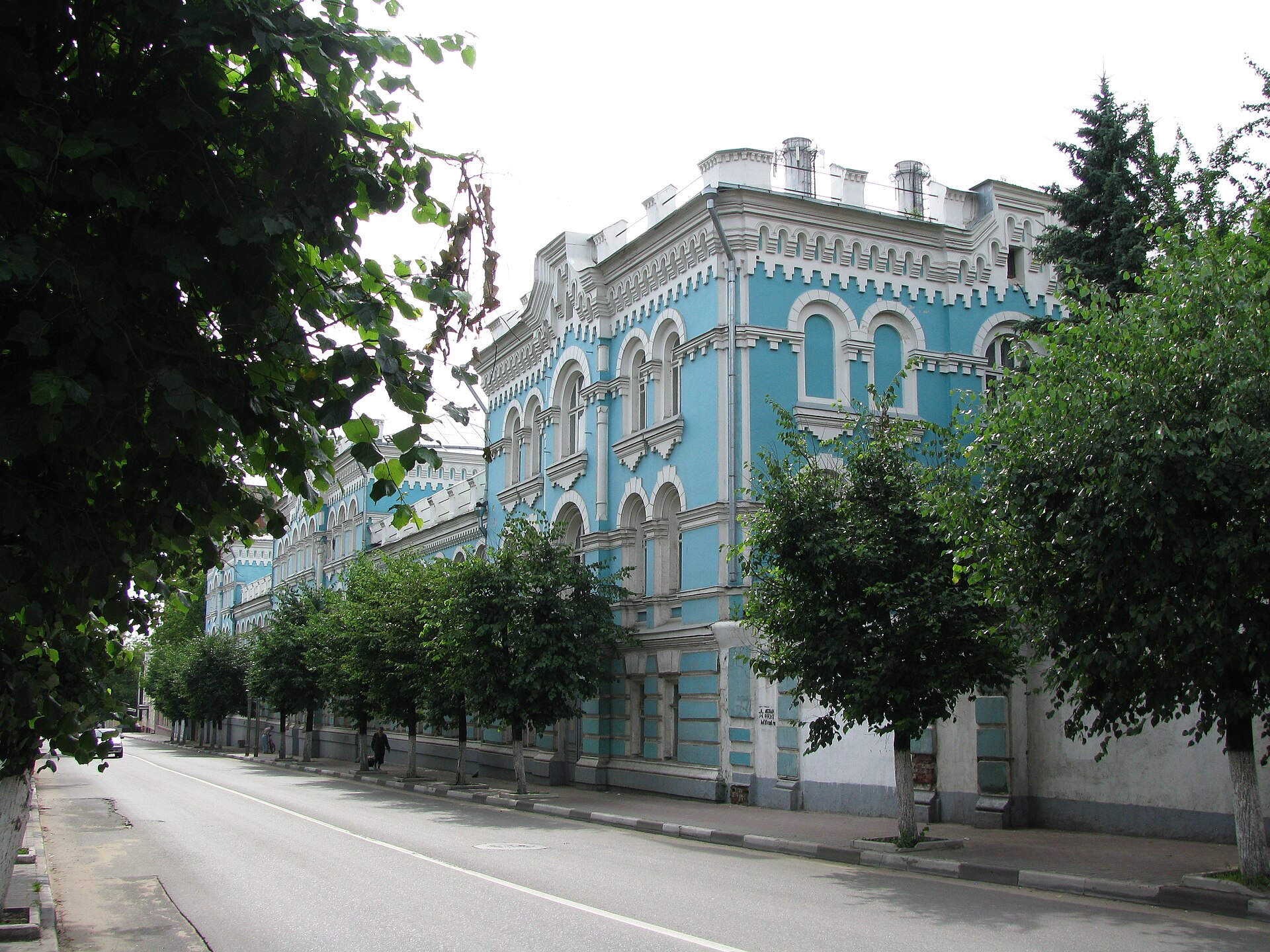
Paris is turning its back on the tourist-heavy itinerary this Saturday, July 5, as residents and artists prioritize hyper-local, community-driven cultural events. While the city’s major museums remain consistent fixtures, the pulse of Parisian creativity has shifted toward the 11th and 20th arrondissements, where independent galleries and converted industrial spaces are hosting a surge of summer programming.
This shift represents a fundamental change in how the city views its own cultural footprint. Rather than relying on the prestige of the Louvre or the Opéra Garnier to define the Parisian experience, curators are looking to the 'quartier' model. By decentralizing art, the city is fostering a more durable creative identity that relies on sustained participation from local residents rather than just the fleeting attention of global visitors.
The New Map of Artistic Production
In the Belleville neighborhood, Le Plateau, an art space operated by the FRAC Île-de-France, is currently exhibiting contemporary installations that emphasize regional environmental challenges. Just a few blocks away, the independent music venue La Maroquinerie on Rue Boyer has opened its courtyard for a collaborative design market. These sites, once peripheral to the central cultural hubs near the Seine, are now the primary engines for the city's emerging artistic talent. By focusing on these pockets of activity, local organizers are pushing back against the gentrification of the city center, ensuring that creative practice remains affordable and accessible within the urban fabric.
Economic data from the Paris City Hall confirms this trend of diversifying the cultural landscape. According to the 2026 cultural budget report published by the Mairie de Paris, the city has allocated €14.5 million to the 'Paris Culture Proximité' program. This initiative, which began its latest grant cycle on June 1, aims to fund 120 small-scale arts organizations. Additionally, entry fees for these local exhibitions often range between €5 and €8, a significant departure from the €17 to €22 standard entry fees at national museums, making the arts more available to younger demographics.
What to Expect this Weekend
Visitors and locals looking to participate in this redefined cultural identity should look toward the smaller, independently run venues today. The 11th arrondissement's Rue Jean-Pierre Timbaud is hosting a day-long street festival featuring local printers and independent publishers, showcasing a tactile side of Parisian creativity that has long been overshadowed by digital media. Meanwhile, the Centquatre-Paris in the 19th district is hosting a public rehearsal for an upcoming dance performance, a hallmark of their 'open house' policy that allows for direct engagement between performers and the public.
If you are planning to navigate the city today, avoid the major Metro hubs near the Louvre around 3 p.m., as the heat index is expected to rise. Instead, prioritize the shaded terraces of the Canal Saint-Martin, where several local collectives are holding pop-up workshops throughout the afternoon. If you are interested in the specific exhibition schedule at Le Plateau, their doors remain open until 7 p.m. this evening, providing a quiet, air-conditioned respite from the heat of a July Saturday.